

There Are Medals — But Not Enough Ice: What’s Happening to Figure Skating in Kazakhstan
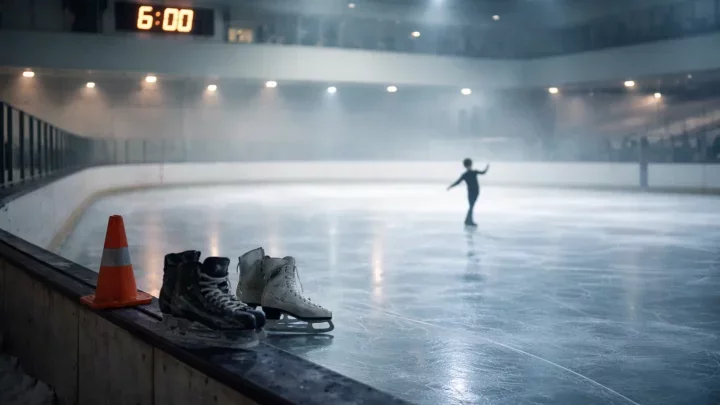 AI-generated
Kazakhstan celebrates the historic success of figure skater Mikhail Shaidorov, but behind the brilliance of the medals there is a systemic problem. How did it happen that while officials report on the availability of infrastructure, coaches declare a catastrophic shortage of ice: they say it is impossible to arrange high-quality training for athletes. Details in the material Orda.kz.
Medals and official statements
First of all, we remind you that Shaidorov complained about limited access to ice palaces last spring. Then representatives of the sports department of Almaty explained that the situation had already begun to change. According to them, since 2024, on the instruction of former akim Erbolat Dosayev, large sports facilities began to return to the property of the city.
And in February of this year, Deputy Minister of Tourism and Sports Serik Zharasbayev said that figure skating is developing in the country, reminded of Denis Ten’s bronze medal at the Sochi Olympics and Elizabeth Tursunbayeva’s successes.
You can’t say that there is no ice in Kazakhstan today. Maybe its amount is not enough to train Mikhail, but nevertheless today we have enough ice to further develop this sport, Zharasbayev said.
He stressed that «Alau» remains the center of attraction in Astana, and three large arenas operate in Almaty. At the same time, he agreed that the country needs to build more ice.
We decided to talk to local coaches and find out how things really are.
Ice is in short supply
Dinara Dikambaeva, head of the Ice Crystal figure skating club, describes the situation as critical. She notes that due to the shortage of sites and the high cost of rent, coaches have to unite groups of different ages and levels on one ice.
The situation became more complicated after the closure of the Dimash Arena. All those who studied there were scattered around the remaining rinks. Because of this, the training hours of others were moved, the coach tells.
She also noted that figure skating is not only ice, but also a complex infrastructure. For professional growth, an athlete needs to practice at least six hours a day, including choreography and general physical training.
Just building a skating rink is not enough — there should be warm-up and specialized halls around it, otherwise the risk of injury is high.
Moreover, not only figure skating suffers from a lack of ice. The head of the hockey club «Dynamo», Yuri Bogaychuk, describes the situation in Almaty as an infrastructure disaster, noting that there are only eight skating rinks in a city of millions, half of which are not always working.
There is a huge shortage of skating rinks in the city. Where children should train, hold championships and tournaments, hold concerts. What result can we talk about in such conditions? It also happens that cooling systems do not take out the summer heat,Bogaychuk tells.
In addition, according to Bogaychuk, the lack of ice directly affects the regime and health of children: due to the tight schedule of ice, training is often scheduled for early morning or late evening. In such conditions, young athletes do not have the opportunity to fully recover, and the lack of a permanent base in the city makes high-quality training impossible.
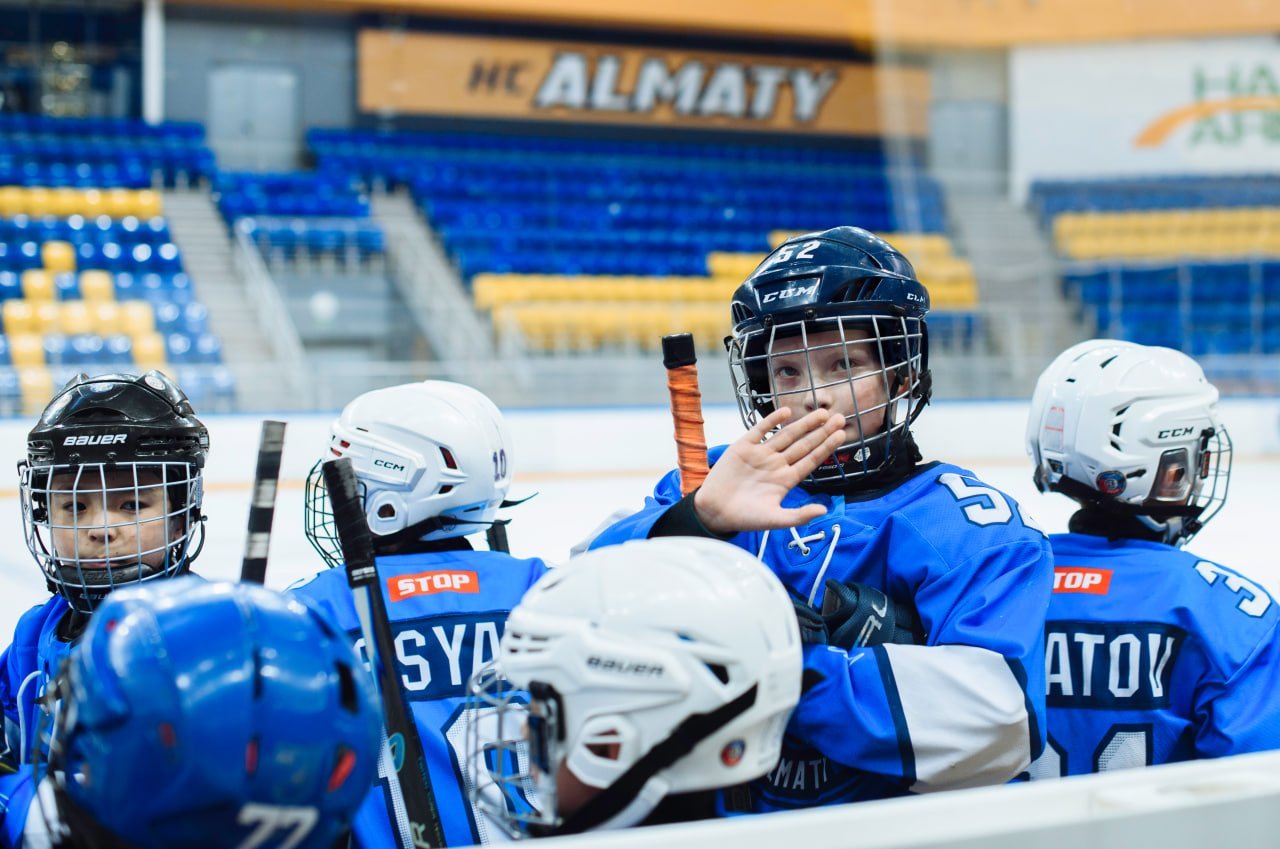
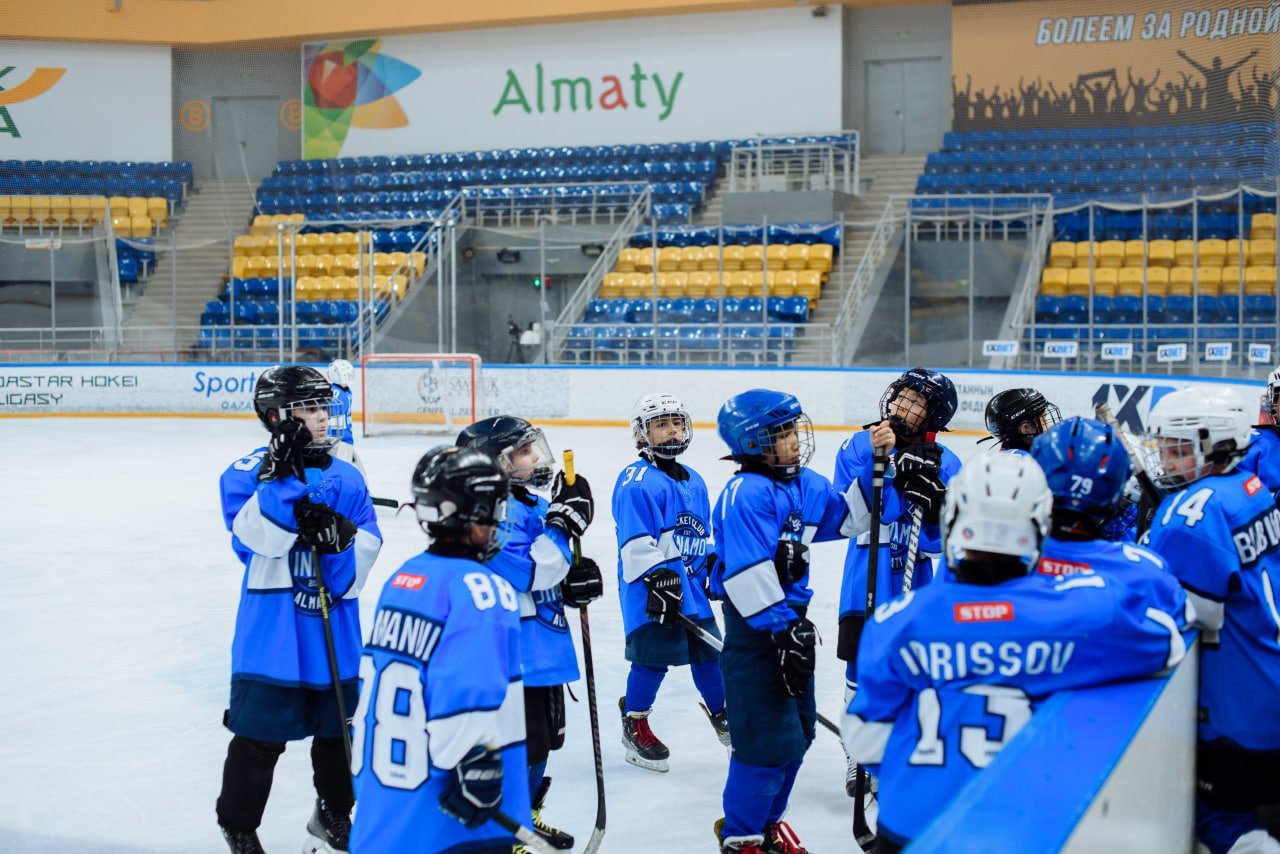
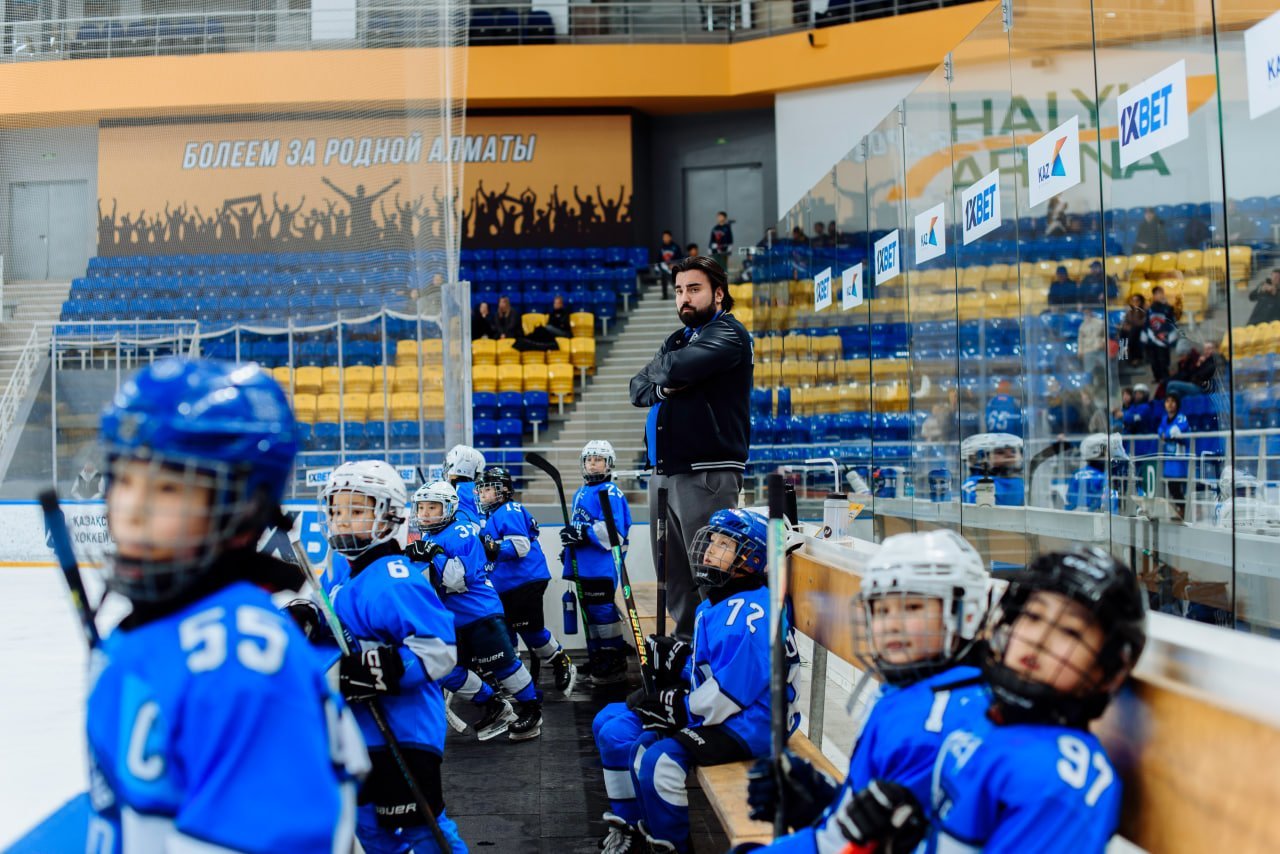
If this is the situation in a city of millions, what is happening in the regions? According to Bogaychuk, in Uralsk, for example, there is one skating rink for the whole city, where they try to fit hockey, skaters, and short track — there is no development there.
As an example, we can consider Finland: there are 260 skating rinks for five million people. We have about 40. I went to the Minister of Sports three times, they shook my hand, praised me for creating the club ‘Dynamo’ Almaty, but it didn’t go any further.
Bogaychuk also said that at one time both hockey players and figure skaters trained in shopping centers — in addition to Ramstor, a popular base was the skating rink in MEGA Alma-Ata. For many, it was the only opportunity to get on the ice.
Interestingly, Shaidorov also started from the skating rink in Ramstor, just like Denis Ten once did. But with such infrastructure, the question arises: how long should the country wait for the next champion — and will we wait?
Earlier, the Orda.kz wrote that our athletes have problems with access to sports facilities, for the maintenance and construction of which a lot of money is allocated. The reconstruction of Medeu will again spend a significant part of the budget, so that the facility receives the status of an international arena, despite the fact that there are already two of them in Almaty.
Original author: Saule Abdykamit
Read also:
Latest news
- Orda.kz Editorial Team to Cease Operations on September 1
- The Price of a Degree: How Students in Kazakhstan Pay for University
- Second Przewalski’s Horse Foal Born as Species Returns to Kazakhstan
- Kazakh Mining Companies Can Recalculate Purchases if Tenge Weakens
- Kazakhstan Names First Vice President in Three Decades
- What Almaty’s Bus Shelters Are Missing
- 400-Truck Queue Builds at Kazakh–Kyrgyz Border
- Kazakhstan Ready to Help Feed and Rebuild Gaza
- Tokayev Establishes New Presidential Security Body
- Almaty Takes Back Its Nearly Century-Old Hippodrome
- No More Guesswork on Savings: Kazakhstan Tightens Energy Audits for Businesses
- Public Money Could Be Used to Rescue Failing Kazakh Banks
- Third Kazakh Woman Reported Missing in Nepal-China Flood Zone
- Falconer Convicted Over 35 Protected Birds, Spared Punishment Under Amnesty
- Kazakh Citizen Detained in Yakutia in Phone Fraud Case
- Yuan Instead of Dollars? KazMunayGas Draws Record Demand in Asia
- China Gains Oil-Market Influence as OPEC+ Weakens
- Kazakhstan to Divide Smartphones Into White, Gray and Black Lists
- Kazakhstan’s Government Formally Resigns as First Kurultai Session Opens
- Rare Lynx Sighting Recorded in Northern Kazakhstan
