

Russia May Halt Kazakh Oil Transit to Europe From May 1
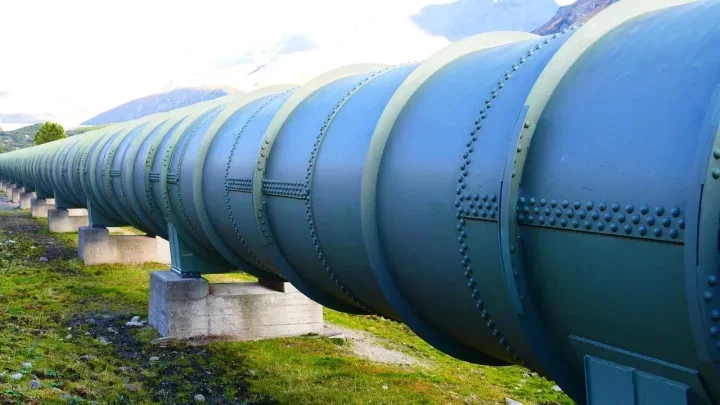 Photo: pixabay
Russia is considering the possibility of stopping the transit of Kazakh oil to Germany via the Druzhba oil pipeline from May 1, Orda.kz reports, citing Reuters.
According to the agency, such a decision is already being discussed and may be made, although there is no official confirmation from the parties at the time of publication. The reasons for the possible halt have not been disclosed.
KazTransOil previously reported that in the first quarter of 2026, supplies to Germany reached 730,000 tons, almost twice as much as in the same period last year.
What This Means for Kazakhstan’s Economy
A possible halt to transit along Druzhba toward Germany, including the refinery in Schwedt, could significantly affect Kazakhstan’s export revenues. According to KazTransOil, at the current supply volume, this amounts to about 1.7–1.8 million barrels of oil per month.
With an average oil price of about $70 per barrel, the potential shortfall in deliveries could amount to $120 million–$130 million per month. On an annual basis, this is about $1.4 billion–$1.5 billion.
At the same time, this does not mean direct losses for the economy, but rather potentially lost export revenues, some of which could be offset through alternative routes.
The situation is further complicated by sanctions restrictions: European countries, including Germany, have effectively closed their markets to Russian oil. In these conditions, Kazakh crude became the only exception exactly a month ago. Earlier, we wrote that the UK allowed the transit of Kazakh oil through Russian territory, making a separate exception to sanctions restrictions.
Against this background, any restrictions on transit through Russian territory increase the vulnerability of Kazakhstan’s export model, which still depends on external infrastructure.
In these conditions, the search for new oil export routes is becoming critical. Kazakhstan is already considering alternative directions, including Asian markets. South Korea is interested in buying oil from Kazakhstan.
An additional risk is that if the current supply model through Russia remains in place, it will continue to serve as leverage over the transit of Kazakh oil. Such dependence affects not only export stability, but also confidence in the tenge.
The Orda.kz editorial team sent a request to Kazakhstan’s Energy Ministry. We were told that a detailed response is being prepared.
Original author: Alexander Zhdanov
Read also:
- Company Managing Russia’s CPC Stake Hit by UK Sanctions
- Kazakh Gas Output Falls After Drone Strike on Russian Plant
- Pipeline Struck, Hungary Says Russian Oil Supplies Stopped
Latest news
- Orda.kz Editorial Team to Cease Operations on September 1
- The Price of a Degree: How Students in Kazakhstan Pay for University
- Second Przewalski’s Horse Foal Born as Species Returns to Kazakhstan
- Kazakh Mining Companies Can Recalculate Purchases if Tenge Weakens
- Kazakhstan Names First Vice President in Three Decades
- What Almaty’s Bus Shelters Are Missing
- 400-Truck Queue Builds at Kazakh–Kyrgyz Border
- Kazakhstan Ready to Help Feed and Rebuild Gaza
- Tokayev Establishes New Presidential Security Body
- Almaty Takes Back Its Nearly Century-Old Hippodrome
- No More Guesswork on Savings: Kazakhstan Tightens Energy Audits for Businesses
- Public Money Could Be Used to Rescue Failing Kazakh Banks
- Third Kazakh Woman Reported Missing in Nepal-China Flood Zone
- Falconer Convicted Over 35 Protected Birds, Spared Punishment Under Amnesty
- Kazakh Citizen Detained in Yakutia in Phone Fraud Case
- Yuan Instead of Dollars? KazMunayGas Draws Record Demand in Asia
- China Gains Oil-Market Influence as OPEC+ Weakens
- Kazakhstan to Divide Smartphones Into White, Gray and Black Lists
- Kazakhstan’s Government Formally Resigns as First Kurultai Session Opens
- Rare Lynx Sighting Recorded in Northern Kazakhstan
