

Power for Power’s Sake, Erased History, Silence, and Poverty: What’s Happening in Tajikistan
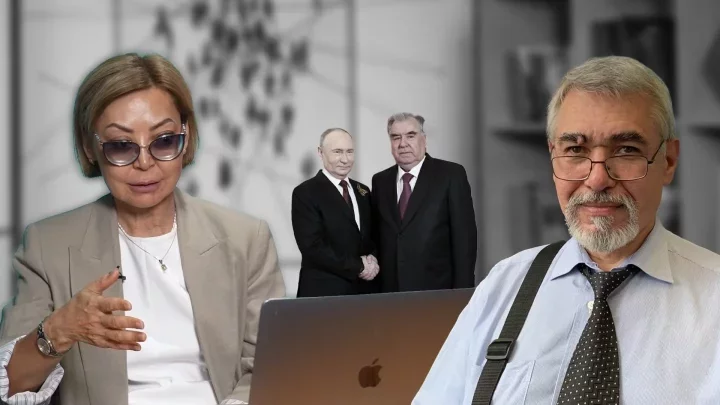 Photo: Orda.kz
Tajik opposition journalist Temur Varki spoke with Gulnara Bazhkenova in an interview about the coming transfer of power.
Orda.kz provides a summary of the conversation.
"Russian Tajiks"
Russia recently changed its visa-free entry rules for foreigners, tightening requirements for labor migrants to include biometric registration, medical exams, and tests on language and legislation.
The move sparked debate across society, with many seeing it as a de facto visa regime. While the impact on Kazakhstan is limited, for Tajikistan, it’s a significant blow.
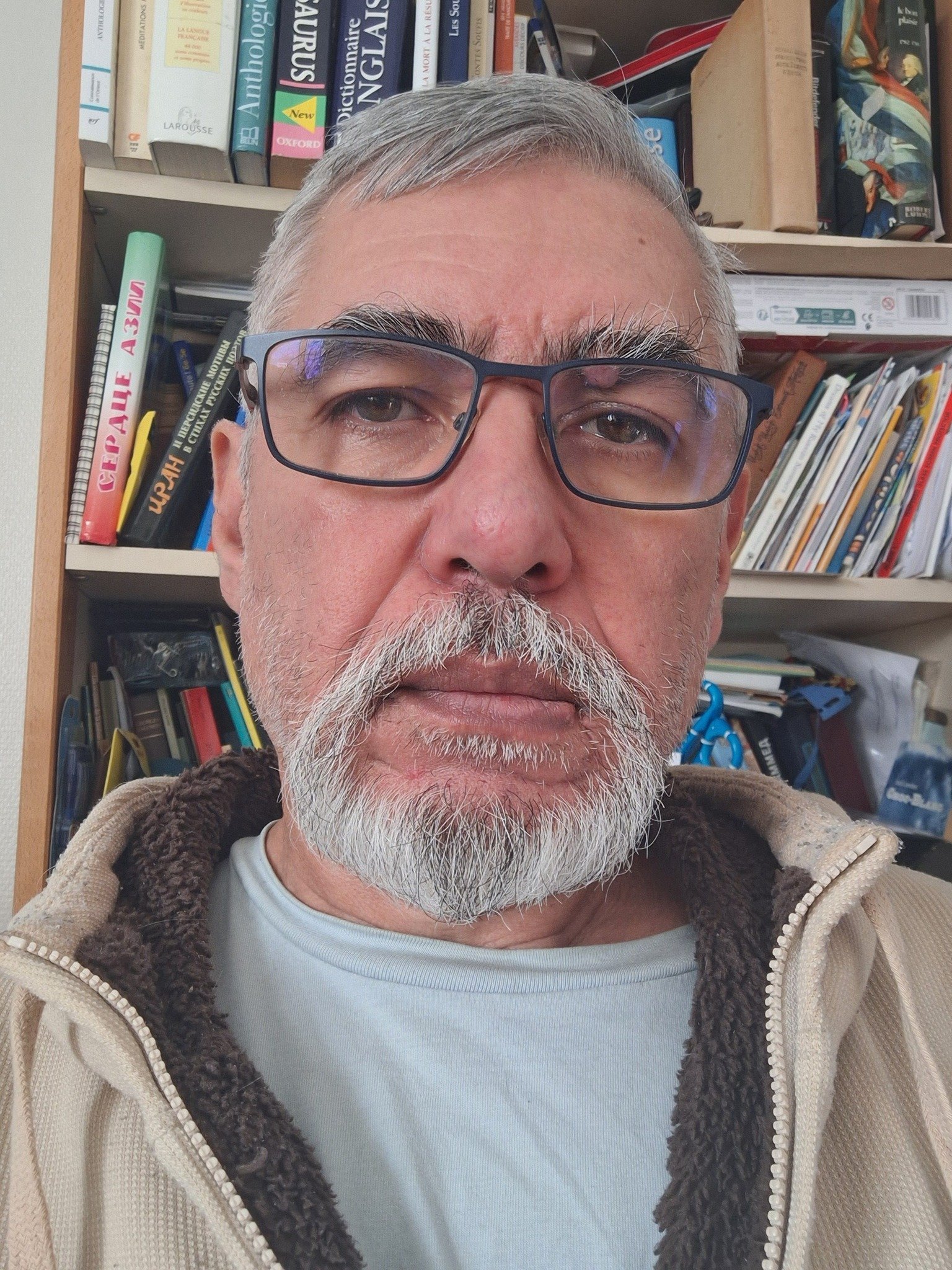
Migration is a lifeline for Tajikistan. Half of the working-age population — around two million Tajiks — are in Russia. Year after year, remittances from these migrants make up nearly half of the country’s GDP. In essence, migrants feed the country and the government. And, in fact, without Russia, without this money, without this support, the government would collapse, and the people who are in Tajikistan will have a very hard time.
Varki adds that some Tajiks also work in Kazakhstan, but now, with Russia tightening migration, many will look elsewhere — Türkiye, South Korea, southern Europe. Still, these alternatives don’t offer the same opportunities as Russia once did.
There’s currently no suitable replacement.
Why Does Tajikistan Need Rahmon?
The government’s hold on power — despite its failure to provide citizens with a livable wage — rests on historical trauma and the fear of its return.
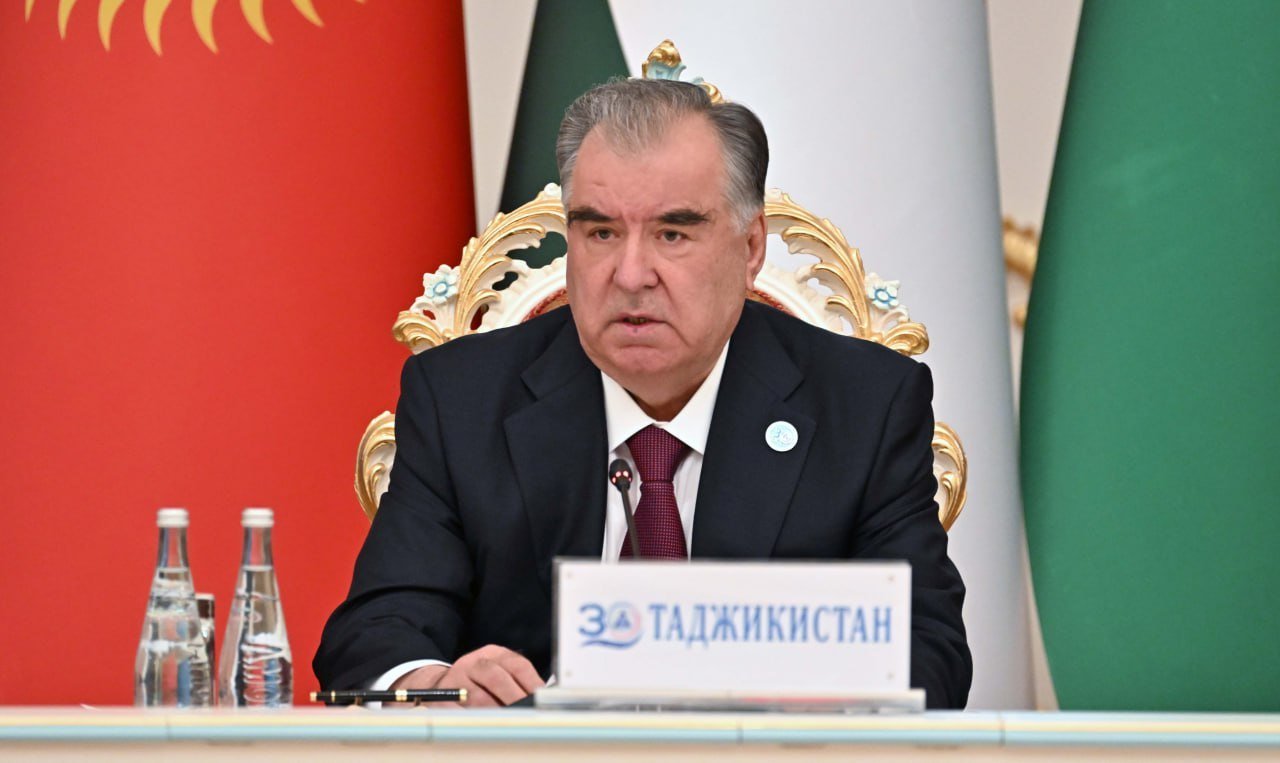
Tajiks lived through the so-called civil war, though in reality, it was a proxy war — a war waged by Russian PMCs, the Russian General Staff, and the GRU against Tajikistan’s independence. Colonel Kvachkov — a known Russian fascist, associate of Girkin, and a man who openly embraces his fascist views, declaring them in interviews and speeches — personally selected a figure, a puppet Russia could put on the throne in Tajikistan. He chose Emomali Rahmon. This was in 1994. Tajiks who endured that terrible war — during which between 100,000 and 200,000 people were killed — understandably don’t want to relive such tragic events. Like ascetics, they are willing to endure any leadership, including Rahmon’s, for the sake of their children’s and grandchildren’s safety, for the sake of peace, even in poverty. But if their children have nothing to eat, then yes, they will rise up and sweep this government away.
Tajikistan’s Authoritarian Steamroller
During the conversation, Orda’s editor-in-chief recalled her work on the "Open Asia" project from 2008 to 2013. Gulnara Bazhkenova said that at the time, there wasn’t yet a strong sense of dictatorship — at least not from a journalist’s point of view.
The steamroller of authoritarianism was moving slowly but steadily, flattening everything in its path. Now, journalists are being imprisoned — some were even jailed recently just for likes. In Tajikistan, I’m a persona non grata and officially listed as a terrorist. I have several charges against me, as if I were an extremist, the creator of a terrorist organization calling for the overthrow of the government, and so on. Basically, multiple charges for life. I follow, watch, see, and feel that my friends no longer like my posts, even those who remain friends. Many are quietly removing me from their feed, unfollowing me, stopping being my virtual friends, fearing persecution, and fearing troubles at home. That is, in dynamics, if you look at it, what was two years ago is completely different from today's situation. the interviewee said.
Power for Power’s Sake: The Silent Heir
If the economy isn’t growing and political freedoms are shrinking, what is the point of Emomali Rahmon’s continued rule? What does he want?
At first, Rahmon set out to bend the Constitution to his will. And he did it. Now he is the permanent and lifelong President. And not only the President, but also, as you had ... Elbasy, right? So, the leader of the nation, whose powers exceed the powers of the president. And now Rahmon, who built power for himself, the regime for himself, the entire system, is reconstructing the entire system for his son. And that is why he is now cleaning out the last remnants of those people who seem dubious to him, who are capable of some kind of their own, independent thinking or political steps. He’s removing them from government; some are even being jailed.
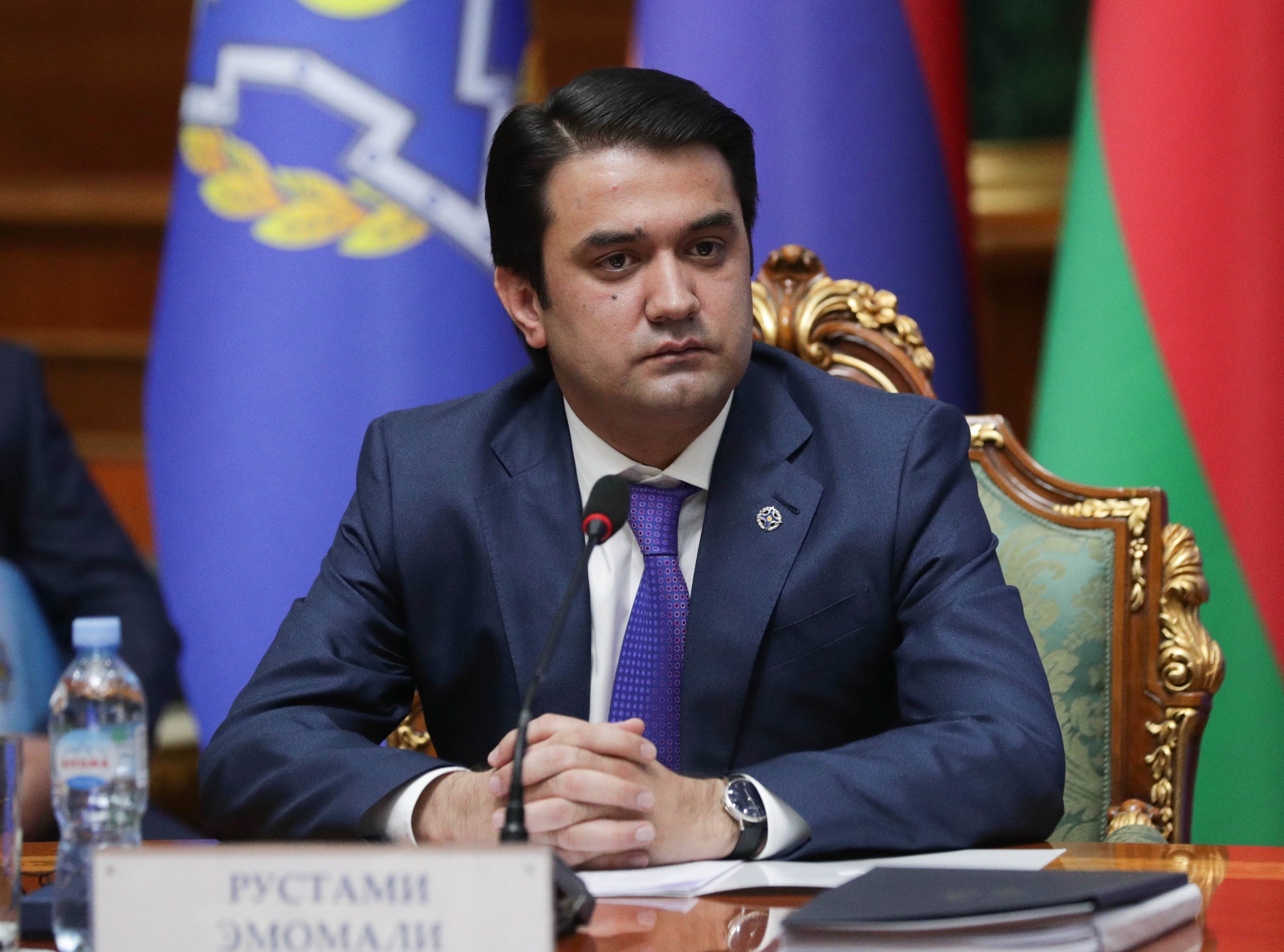
According to Temur Varki, Rahmon’s son and presumed successor, Rustam Emomali, is unfit for leadership. The public sees him as a spoiled, unstable playboy. He’s uninterested in governance or public service, but he is hungry for power.
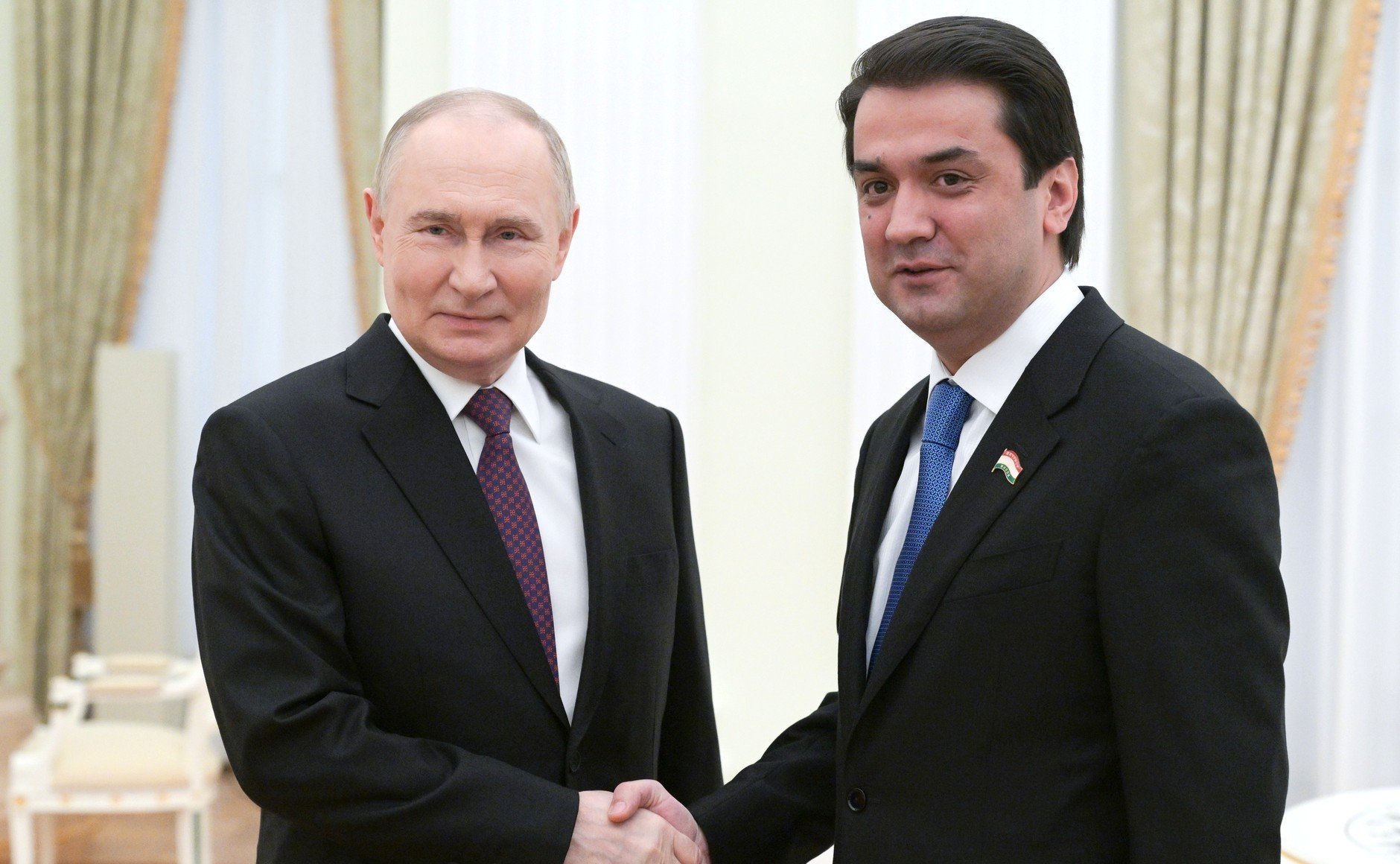
Recently, Rustam Emomali was received in Moscow with full honors, in what many political analysts described as a “preview” of the heir. Notably, he didn’t say a single word during the visit. Perhaps because he simply had nothing to say.
Rustam Emomali has been nicknamed ‘The Great Mute.’ Unlike Emomali Rahmon, he can’t hold an audience for three hours. Rahmon could speak endlessly from the podium. In his youth, Rahmon showed great promise and strong political skills. He could speak in parliament without notes when he was still a 40-year-old collective farm chair. He was, let’s say, a thoroughly politically gifted man. Without those abilities, he wouldn’t have managed to stay in power for so long. It’s a complex set of talents. Whether that’s good or bad is another question — but it’s a fact. As the saying goes, the apple falls far from the tree.
Varki is convinced that Rustam’s knowledge of Tajik is stronger than his Russian.
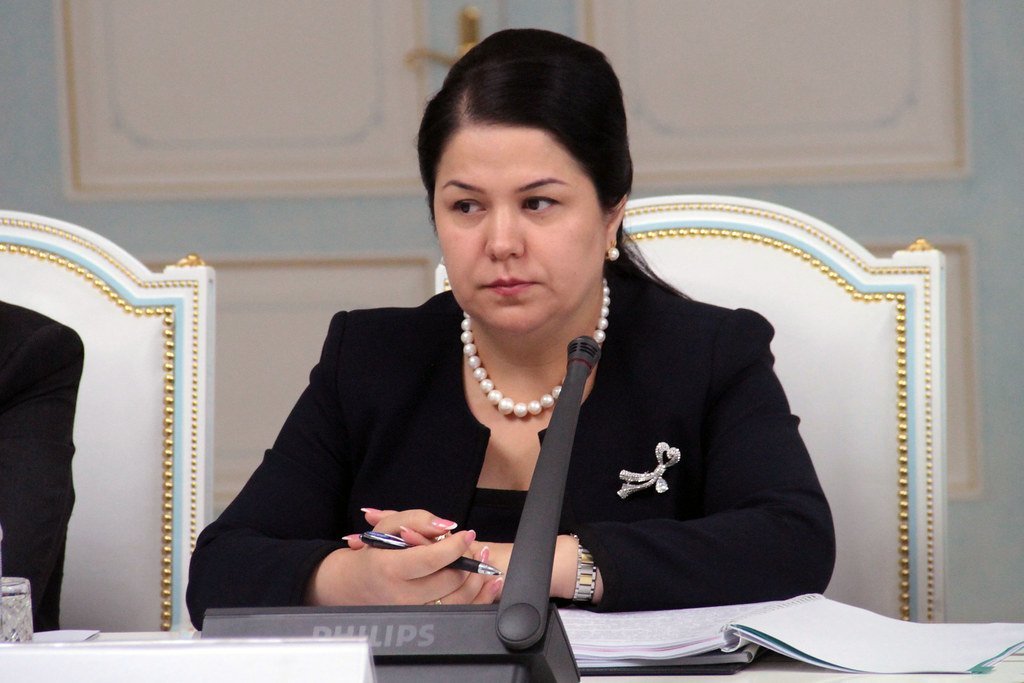
Rustam Emomali’s sister, Ozoda Rahmon, is seen as more competent politically.
Varki says she’s not being considered as a successor, due to Tajikistan’s deeply patriarchal society and the ruling clan’s fear of internal conflict.
Varki says that spheres of influence in Tajikistan are rigidly divided. Any elites not tied by blood to the Rahmon family have been integrated into the branches of the family clan. Today, it’s nearly impossible to imagine an intellectual or entrepreneur rising to success in Tajikistan independently.
A Dead Economy
Ten years ago, Gulnara Bazhkenova visited Khujand. She remembers the trip fondly—clean streets, prosperity, and a sense of order. But how do people in Tajikistan live now?
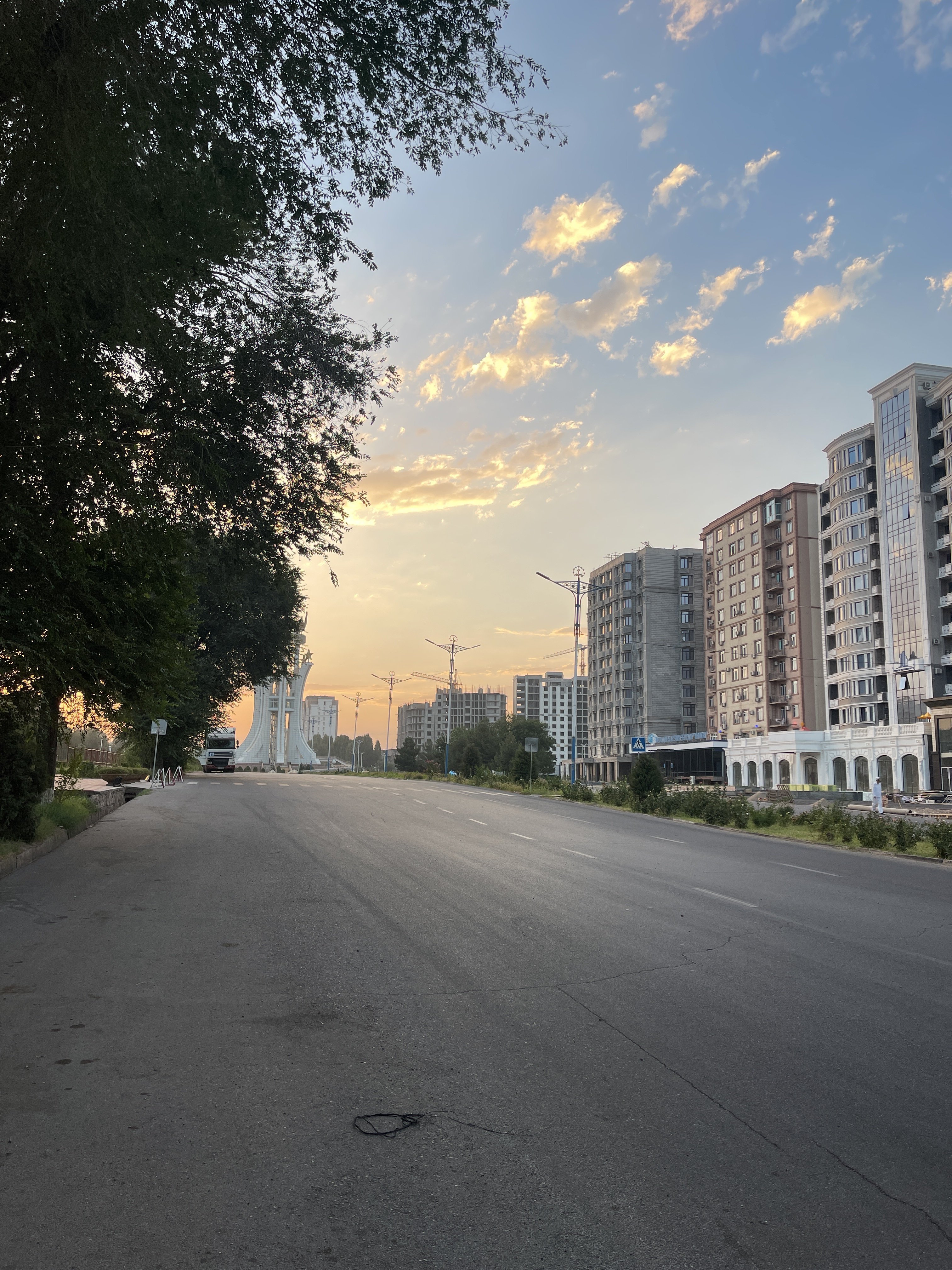
You know, the country is extremely polarized. As I mentioned earlier, the oligarchs — the ruling clan, their businesses, and those operating within their circle, of course, live comfortably, especially given that prices in Tajikistan are relatively low. Meanwhile, the minimum monthly wage is around $55, and the average is about $165–170 (roughly 87,500 tenge). Take a teacher, for example — they might be able to shop at the market once on that salary. That’s about it. On the one hand, salaries are growing slightly, but on the other hand, it's been four years of economic stagnation — neither the economy nor salaries are rising, while inflation continues to climb. So everything is getting more expensive. People are struggling to get by. If it weren’t for the fact that nearly every family — or at least every second one — has someone working in Russia or Kazakhstan sending money home, life would be much harder.
A major national project in independent Tajikistan has been the long-delayed Rogun Hydroelectric Power Station— often compared to Kazakhstan’s LRT, but on a much larger scale.
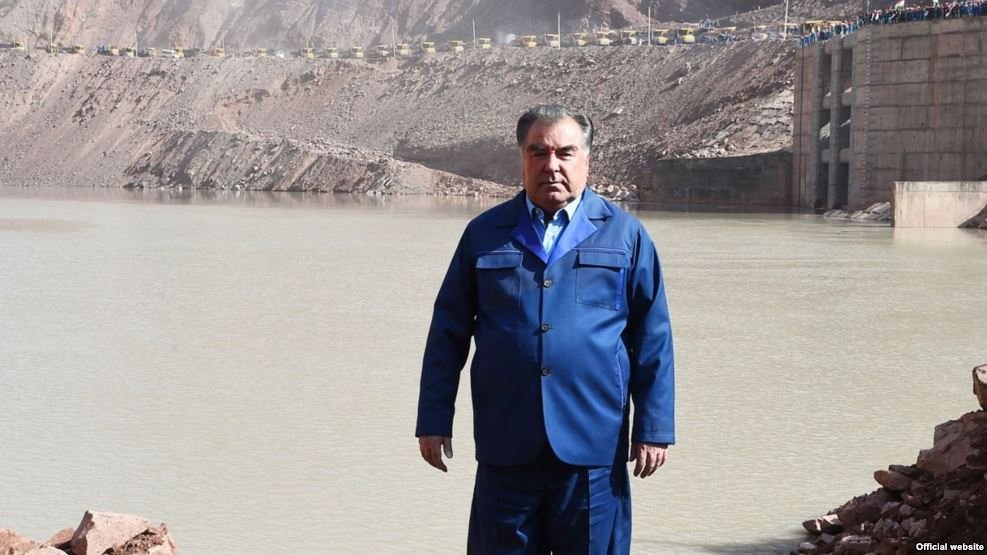
May God grant Emomali Rahmon another 60 years — he’ll spend them all continuing to build the Rogun Dam begging the world for funding. And each year, without fail, we’ll hear that the project’s cost has gone up by several billion dollars. The longer it takes, the more expensive it becomes. Somehow, it turns out that there is no one to work at this Rogun HPP; they’re short 15,000 workers, even though this is the country’s biggest infrastructure project, the construction of the century. But people are fleeing because they’re not being paid because everything’s being stolen. The whole ruling family has enriched itself off Rogun — some have become billionaires thanks to this site. And it seems even the neighbors aren’t too keen on it anymore, although there was once an agreement with Uzbekistan and Kazakhstan not to oppose the dam as a major water intake.
According to Varki, developing the country simply isn’t in Rahmon’s interest:
In Tajikistan, for half the year — across 75% of the country — there’s no electricity during the fall and winter. And you simply can’t build a business because there are no refrigerators, no power. You can’t run machinery, you can’t store products. You understand? This has been written about for years, and I’ve written about it myself: without electricity, we can’t even build a basic storage facility for fruits and vegetables. We can’t process them, preserve them, export them, or keep them fresh. Everything just spoils. Nothing gets done. No factories, no small businesses — none of that can exist without electricity. Even in the capital, there are blackouts in winter. People have built high-rise buildings — the elevators don’t work, and the sewage systems fail, especially in the new complexes. Because there’s no electricity. That’s the kind of governance we have. That’s the kind of leadership.
Post USSR
Gulnar Bazhkenova asked her guest how he views Tajikistan’s situation after the collapse of the Soviet Union.
When the country left the Union, parts of its territory were divided. During the Soviet era, Tajikistan was also among the poorest republics and only slowly began to industrialize.
Could today’s economic troubles be caused by more than just the ruling clan?
That’s not entirely accurate. During the Soviet period, many factories and plants were built in Tajikistan. They operated and provided jobs for thousands — tens of thousands — of people. There were weaving mills, light industry, textile plants for processing cotton, silkworm farms, spinning mills, silk production, and even carpet manufacturing in Tajikistan. My parents worked at a textile factory in Dushanbe — it was a massive industrial complex. And all of it was dismantled and sold off for scrap. Back then, Dushanbe had several large enterprises that employed a significant portion of the city’s population. Today, those businesses are gone. Rahmon came to power at the point of a bayonet, and is accountable to no one except Putin. And frankly, Putin doesn’t care whether Tajikistan develops its industry or whether its people have work. Under the Soviets, Tajikistan had leaders who genuinely felt a sense of duty — a responsibility to serve their people and their country. That feeling simply doesn’t exist in the current leadership. This man is interested in one thing: personal enrichment, absolute power, and passing that power on to his children.
Economically, Tajikistan’s GDP has grown, but under very different conditions, with the emergence of a market economy. Still, according to Temur Varki, the standard of living has declined, along with the quality of education.
The country faces “brain drain”: educated and capable people who want to build a future increasingly choose to leave.
In the past, for example, one teacher in a remote village might teach two or three subjects. Now, a single teacher might be covering five subjects — physics, physical education, art, technical drawing. And sometimes these subjects aren’t taught at all, no physics, no technical drawing, because there are no specialists. And if there are no specialists, there are no subjects. The overall level of education has dropped sharply. On average, across the board, the quality has declined, especially since a large portion of the population doesn’t live in cities or the mountains but in qishlaqs. More and more people are now moving to urban centers because in the villages, electricity is scarce, winters are harsh, people get sick, and survival is tough. It used to be possible to earn a living with cotton farming, but now that’s become far more difficult. So people are leaving the villages.
The Tajik language and script have deep roots in Persian. During the Soviet era, Tajiks shifted first from Farsi to the Latin alphabet, and later to Cyrillic. This transition created a cultural divide — literary and scholarly works accumulated over thousands of years became inaccessible, and in some cases, even banned.
"Mow the Grass To Grow It Well"
President Emomali Rahmon was one of the first Central Asian leaders to declare a crackdown on religious extremism. His campaign against beards and traditional chadors was aggressive and highly visible.
But according to Varki, this harsh stance only fueled radicalization.
To make the grass grow well, mow it. So, the more Rahmon shaved beards, the more resistance he provoked. He provoked radicalism, Islamic radicalism. That's why Tajiks made up one of the highest percentages of ISIS recruits — at one point, nearly 20,000 Tajiks, I think. Even the commander of the Tajik OMON, Colonel Gulmurod Khalimov — a man personally decorated by Rahmon — defected to ISIS along with his followers in protest. And he said there, in one of his statements, that he made this decision after Emomali Rahmon insulted his feelings as a believer. He had crushed the legal parliamentary party, the moderate Islamic Renaissance Party of Tajikistan, paved over it, and arrested all its leaders. He then sought to consolidate his power indefinitely and pass it on to his son.
Full interview in Russian:
Original Author: Alexandra Mokhireva
Latest news
- Orda.kz Editorial Team to Cease Operations on September 1
- The Price of a Degree: How Students in Kazakhstan Pay for University
- Second Przewalski’s Horse Foal Born as Species Returns to Kazakhstan
- Kazakh Mining Companies Can Recalculate Purchases if Tenge Weakens
- Kazakhstan Names First Vice President in Three Decades
- What Almaty’s Bus Shelters Are Missing
- 400-Truck Queue Builds at Kazakh–Kyrgyz Border
- Kazakhstan Ready to Help Feed and Rebuild Gaza
- Tokayev Establishes New Presidential Security Body
- Almaty Takes Back Its Nearly Century-Old Hippodrome
- No More Guesswork on Savings: Kazakhstan Tightens Energy Audits for Businesses
- Public Money Could Be Used to Rescue Failing Kazakh Banks
- Third Kazakh Woman Reported Missing in Nepal-China Flood Zone
- Falconer Convicted Over 35 Protected Birds, Spared Punishment Under Amnesty
- Kazakh Citizen Detained in Yakutia in Phone Fraud Case
- Yuan Instead of Dollars? KazMunayGas Draws Record Demand in Asia
- China Gains Oil-Market Influence as OPEC+ Weakens
- Kazakhstan to Divide Smartphones Into White, Gray and Black Lists
- Kazakhstan’s Government Formally Resigns as First Kurultai Session Opens
- Rare Lynx Sighting Recorded in Northern Kazakhstan
