

No One Left to Work With Livestock? Kazakhstan Prepares State Support for Herders
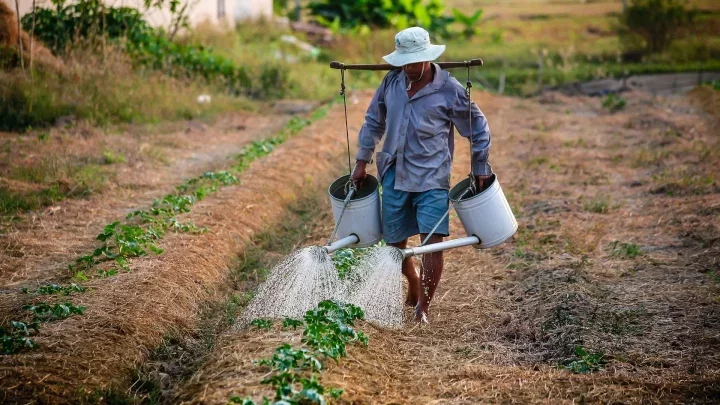 Photo: Pixabay.com
Kazakhstan is facing a shortage of herders, milkmaids, machine operators and veterinarians, and the government says it is already preparing support measures for livestock workers, Orda.kz reports.
The authors of the parliamentary request said the problem is linked to low wages, weak social support and poor living standards in rural areas. They proposed raising incomes in the sector, reducing taxes, and increasing grants and scholarships for students in agricultural specialties.
The government replied that some of these measures are already being prepared. At the beginning of the year, it approved a livestock development plan for 2026–2030. Work is now underway on subsidizing jobs for herders and shepherds. In addition, the authorities are considering including them in the list of workers employed in harmful working conditions.
The Cabinet separately outlined support for veterinarians. In 2023–2025, 29.6 billion tenge in targeted transfers was sent to the regions to raise their pay. For 2026–2028, another 12.2 billion tenge a year has been allocated. As a result, the average salary of veterinarians increased from 119,700 to 271,500 tenge.
The authorities also said they support the draft law on veterinary medicine. It provides for an annual health allowance, extra payments for academic degrees and additional incentive payments. The proposed payments are 17 MCI for the degree of candidate of sciences and 34 MCI for the degree of doctor of sciences.
The government’s response also mentioned tax benefits for farmers.
Corporate income tax is 3%, social tax is 1.8%. Property and transport taxes are reduced by 70%. Under value-added tax, agricultural producers, processors and cooperatives retained the right to offset an additional amount of tax, while the amount of the benefit was increased from 70% to 80%. For peasant farms and individual farms, personal income tax is set at 0.5% of income.the government said.
According to the government’s forecast, the economy will need 883,000 specialists by 2030. Of those, 63,000 will be needed in agriculture. The greatest demand will be for workers and low-skilled employees.
Original author: Saule Abdykamit
Read also:
Latest news
- Orda.kz Editorial Team to Cease Operations on September 1
- The Price of a Degree: How Students in Kazakhstan Pay for University
- Second Przewalski’s Horse Foal Born as Species Returns to Kazakhstan
- Kazakh Mining Companies Can Recalculate Purchases if Tenge Weakens
- Kazakhstan Names First Vice President in Three Decades
- What Almaty’s Bus Shelters Are Missing
- 400-Truck Queue Builds at Kazakh–Kyrgyz Border
- Kazakhstan Ready to Help Feed and Rebuild Gaza
- Tokayev Establishes New Presidential Security Body
- Almaty Takes Back Its Nearly Century-Old Hippodrome
- No More Guesswork on Savings: Kazakhstan Tightens Energy Audits for Businesses
- Public Money Could Be Used to Rescue Failing Kazakh Banks
- Third Kazakh Woman Reported Missing in Nepal-China Flood Zone
- Falconer Convicted Over 35 Protected Birds, Spared Punishment Under Amnesty
- Kazakh Citizen Detained in Yakutia in Phone Fraud Case
- Yuan Instead of Dollars? KazMunayGas Draws Record Demand in Asia
- China Gains Oil-Market Influence as OPEC+ Weakens
- Kazakhstan to Divide Smartphones Into White, Gray and Black Lists
- Kazakhstan’s Government Formally Resigns as First Kurultai Session Opens
- Rare Lynx Sighting Recorded in Northern Kazakhstan
