

Kazakhstan Ranks Sixth In the World By Agricultural Land Area
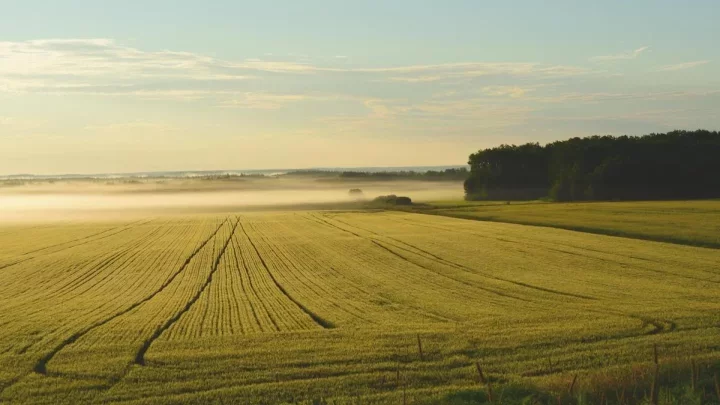 Photo: Pixabay
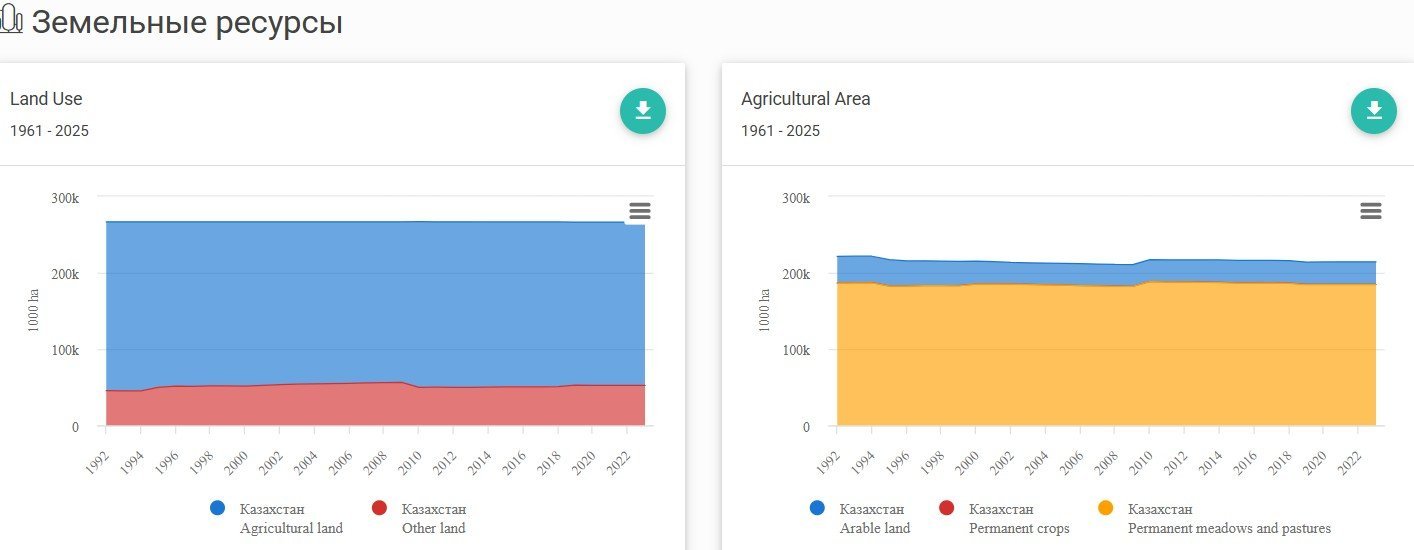
Kazakhstan ranks about sixth in the world by agricultural land area, according to World Bank data based on figures from the UN Food and Agriculture Organization, Orda.kz reports.
The World Bank has published data from the Food and Agriculture Organization of the United Nations, according to which Kazakhstan ranks approximately sixth in the world in terms of agricultural land area. The top five include China, the United States, Australia, Brazil, and Russia.
At the same time, the figures take into account not only arable land, but also pastures, which make up a significant share of Kazakhstan’s agricultural land. This distinguishes the country from other agrarian powers, where the share of intensively cultivated land is higher.
As for crops, the United States is the largest producer of corn, Brazil leads in soybean and sugar cane production, and Australia is known as a major wheat exporter.
Kazakhstan is traditionally focused on growing grain crops, primarily wheat and barley, but the crop structure is gradually changing.
In recent years, the country has been implementing a strategy of agricultural diversification. In particular, Kazakhstan is reducing the area under wheat and increasing the cultivation of more profitable crops.
Minister of Agriculture Aydarbek Saparov said that priority is being given to oilseeds, fodder crops, as well as barley and potatoes.
According to the latest data, the total sown area in Kazakhstan is 23.8 million hectares, which is 180,000 hectares more than a year earlier.
At the same time, the area under wheat has been reduced by 125,000 hectares and now stands at about 12.1 million hectares. Meanwhile, the acreage for oilseeds, fodder crops, and barley is increasing.
Such changes are linked to the need to improve the efficiency of agriculture, adapt to climate conditions, and reduce dependence on fluctuations in global grain prices. The shift toward more profitable crops is seen as an important step in the development of the country’s agrarian sector.
Thus, with significant land resources, Kazakhstan is gradually transforming its agrarian model, focusing on sustainability, profitability, and diversification of production.
Original author: Rimma Karatayeva
Read also:
Latest news
- Orda.kz Editorial Team to Cease Operations on September 1
- The Price of a Degree: How Students in Kazakhstan Pay for University
- Second Przewalski’s Horse Foal Born as Species Returns to Kazakhstan
- Kazakh Mining Companies Can Recalculate Purchases if Tenge Weakens
- Kazakhstan Names First Vice President in Three Decades
- What Almaty’s Bus Shelters Are Missing
- 400-Truck Queue Builds at Kazakh–Kyrgyz Border
- Kazakhstan Ready to Help Feed and Rebuild Gaza
- Tokayev Establishes New Presidential Security Body
- Almaty Takes Back Its Nearly Century-Old Hippodrome
- No More Guesswork on Savings: Kazakhstan Tightens Energy Audits for Businesses
- Public Money Could Be Used to Rescue Failing Kazakh Banks
- Third Kazakh Woman Reported Missing in Nepal-China Flood Zone
- Falconer Convicted Over 35 Protected Birds, Spared Punishment Under Amnesty
- Kazakh Citizen Detained in Yakutia in Phone Fraud Case
- Yuan Instead of Dollars? KazMunayGas Draws Record Demand in Asia
- China Gains Oil-Market Influence as OPEC+ Weakens
- Kazakhstan to Divide Smartphones Into White, Gray and Black Lists
- Kazakhstan’s Government Formally Resigns as First Kurultai Session Opens
- Rare Lynx Sighting Recorded in Northern Kazakhstan
