

Moldova Finally Leaves The CIS And Bets On The EU
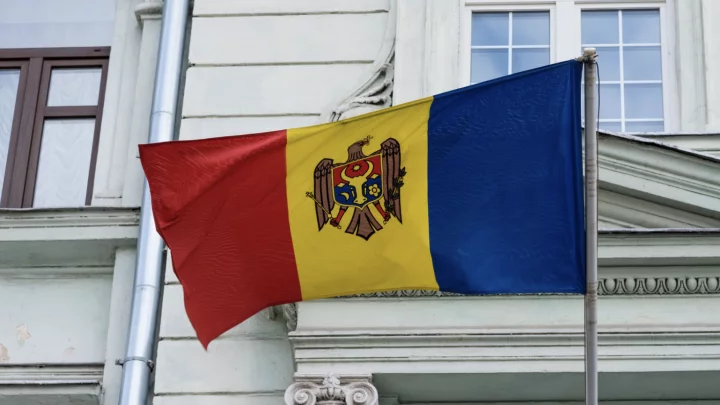 Photo: elements.envato.com
The Parliament of Moldova approved the decision to withdraw the country from the Commonwealth of Independent States (CIS). The decision concerns the denunciation of key agreements underlying the country’s participation in the organisation, Orda.kz reports, citing DW.com.
The decision was made in the second reading and was supported by 60 out of 101 deputies. The document provides for Moldova’s withdrawal from the agreement on the establishment of the CIS, signed in 1991.
As the publication notes, the country’s authorities explain the move by saying that participation in the CIS no longer corresponds to Moldova’s national interests.
At the same time, according to Moldpres.md, parliament speaker Igor Grosu stressed that the country had deliberately chosen a different development path.
The Republic of Moldova has chosen a different path — the path to the European Union. In the last five elections, we supported the European course. We are moving in a different direction. The Republic of Moldova has the sovereign and independent right to decide which union it should be in. he said, according to Moldpres.
At the same time, the process of leaving the Commonwealth has been going on for more than a year. Earlier, Chisinau had already begun gradually denouncing various agreements within the CIS. The ruling party says the country no longer actually participates in the work of the association, and the current decision only formalises this legally.
Now the document must be finalised, after which Moldova will officially complete its participation in the CIS.
Earlier, we wrote that after the collapse of the USSR, the countries of the former Soviet Union, including Kazakhstan, had to build new relations. This concerned not only property and the economy, but also the system of governance. That is why a new platform appeared — the CIS, to preserve ties between newly independent states.
However, alongside brotherly relations with former compatriots, it was also necessary to build a global dialogue. Kazakhstan therefore acquired another status — that of a full UN member. Decades later, people began asking what role these platforms play and whether they are needed at all.
Original author: Alina Elgeldina
Read also:
Latest news
- Orda.kz Editorial Team to Cease Operations on September 1
- The Price of a Degree: How Students in Kazakhstan Pay for University
- Second Przewalski’s Horse Foal Born as Species Returns to Kazakhstan
- Kazakh Mining Companies Can Recalculate Purchases if Tenge Weakens
- Kazakhstan Names First Vice President in Three Decades
- What Almaty’s Bus Shelters Are Missing
- 400-Truck Queue Builds at Kazakh–Kyrgyz Border
- Kazakhstan Ready to Help Feed and Rebuild Gaza
- Tokayev Establishes New Presidential Security Body
- Almaty Takes Back Its Nearly Century-Old Hippodrome
- No More Guesswork on Savings: Kazakhstan Tightens Energy Audits for Businesses
- Public Money Could Be Used to Rescue Failing Kazakh Banks
- Third Kazakh Woman Reported Missing in Nepal-China Flood Zone
- Falconer Convicted Over 35 Protected Birds, Spared Punishment Under Amnesty
- Kazakh Citizen Detained in Yakutia in Phone Fraud Case
- Yuan Instead of Dollars? KazMunayGas Draws Record Demand in Asia
- China Gains Oil-Market Influence as OPEC+ Weakens
- Kazakhstan to Divide Smartphones Into White, Gray and Black Lists
- Kazakhstan’s Government Formally Resigns as First Kurultai Session Opens
- Rare Lynx Sighting Recorded in Northern Kazakhstan
