

Lawyers Call for Release of Elderly Women and Mothers Under Proposed Amnesty
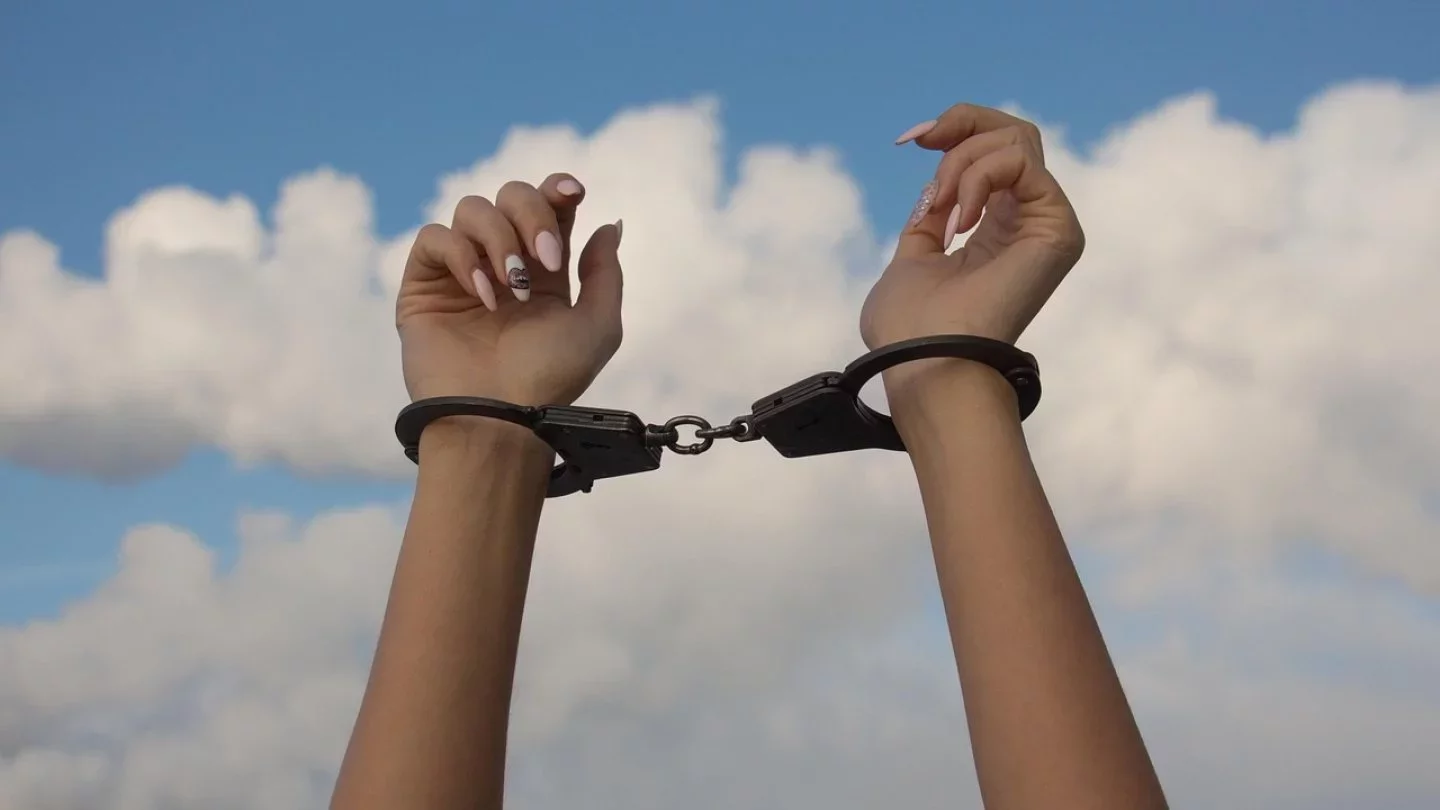 Photo: pixabay
The Republican Bar Association has urged lawmakers to revise the draft law "On Amnesty in Connection with the Thirtieth Anniversary of the Constitution of the Republic of Kazakhstan", pointing out several critical and socially significant gaps, Orda.kz reports.
According to the Association, the proposed amnesty risks becoming a symbolic gesture rather than a genuine act of compassion, due to the large number of exclusions.
Lawyers have specifically called attention to the plight of women, particularly those incarcerated for economic crimes.
This is especially relevant for women of retirement age or those with young children, as isolation from society does little to aid rehabilitation and can, in some cases, lead to disproportionately harsh consequences. For such individuals, alternative forms of punishment should be considered—options that allow them to compensate for damages without severing their social ties, the lawyers emphasized in their appeal.
The draft law also overlooks offenses committed through negligence, which the Association finds troubling. These cases typically lack malicious intent or personal gain and are instead the result of error, oversight, or carelessness.
However, the current version treats them under the same severity criteria as intentional crimes, which may exclude many from amnesty eligibility.
This, according to the Bar, undermines the humanistic purpose of amnesty as both a legal and moral institution.
It’s important to note that granting amnesty for offenses committed through negligence does not exempt a person from the responsibility to compensate for material and moral damages. As such, it does not disrupt the balance between compassion and the protection of victims’ rights. Offering amnesty to individuals who have committed such offenses for the first time deserves separate and thoughtful consideration,the Republican Bar Association stated.
The Association also raised concerns over Article 4 of the bill, which contains an overly broad list of exceptions. As a result, only a limited number of convicts may qualify for amnesty, weakening the law’s intended social impact.
The legal community is concerned about the continued restrictions on certain offenses, particularly Part 2 of Article 262 of the Criminal Code (participation in an organized criminal group), which, in practice, is often applied formally without confirming the existence of a real criminal structure. This undermines the effectiveness of the amnesty and highlights the need for a thorough review of these provisions, the board noted.
To address these issues, the Bar is proposing the creation of a working group that includes lawmakers, legal scholars, civil society representatives, and government officials. This group would carefully review the list of excluded offenses and help return the amnesty law to its original purpose — as an expression of mercy and social justice.
It’s worth recalling that in February 2025, the Ministry of Internal Affairs supported a proposal by Majilis deputy Karakat Abden to grant amnesty to female prisoners. The draft law currently stipulates that amnesty would apply to:
- Individuals convicted of criminal offenses or minor crimes
- Those found guilty of medium-severity crimes that caused no harm, or where damages were fully compensated, or where no civil claim was filed
- Socially vulnerable individuals convicted of medium-severity crimes, regardless of whether damages were caused or a civil claim was made
Original Author: Dinara Bekbolayeva
Latest news
- Eyewitnesses Share Photos of Kazakh Citizens’ Evacuation
- Tokayev Orders Tighter Security for Kazakhstan’s Critical Infrastructure
- Semey Teen Convicted Over Telegram Chat Targeting Foreign Students
- Gender Equality Index 2025: Is Kazakhstan Leading in the Region?
- UNICEF Highlights Children’s Digital Rights in Draft Constitution of Kazakhstan
- Kazakhstani Journalists Returning From Ukraine Detained at Astana Airport
- Kazakhstan Prosecutor Opposes Deportation of 16-Year-Old Russian Teen
- Russian TV Channels Taken Off Air in Kazakhstan
- Mistaken Claim? Kazakhstan Denies $1B Contribution to the Board of Peace
- How many Kazakhstanis remain in the Middle East — MFA
- Kazhydromet Warns of High Flood Risk in Five Regions in 2026
- MP Calls for Prosecutor Review of Kazakhstanis’ Dubai Property
- Kazakhstan Moves to Legalize Private Detective Work
- Kazakhstan to Extend Gas Export Ban for Six More Months
- Majilis MP Calls to Soften Liability for Kazakhstanis Drawn into Foreign Wars for Pay
- The Delivery of 51 Stadler Passenger Coaches Has Been Delayed
- Kazakhstan Returns Nearly 1,000 Citizens From the Middle East
- Damaged Baikonur Launch Pad Facility Restored After 2025 Collapse
- A Rare Black Melanist Wolf Was Shot in Eastern Kazakhstan
- Kazakhstan Maintains Neutral Stance on Middle East Escalation
