

Kyrgyzstan Proposes Central Asian Schengen: A Push for Unified Tourism and Regional Growth
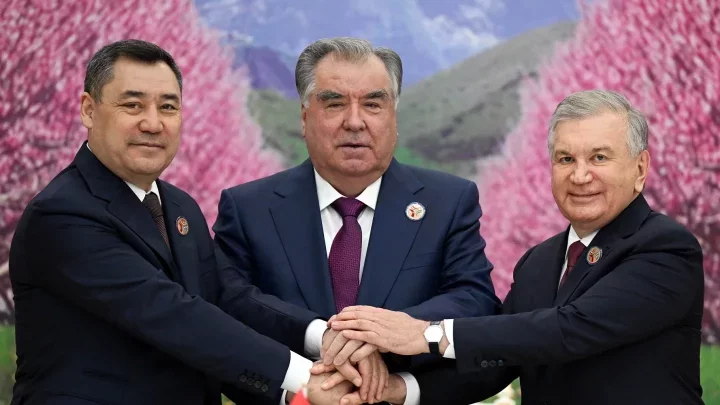 Photo: official website of the President of Kyrgyzstan
Kyrgyz President Sadyr Japarov has proposed creating a single Central Asian visa, modeled after the European Schengen system, to boost tourism and strengthen economic ties across the region, Orda.kz reports.
The initiative was announced during a trilateral summit in Khujand with the presidents of Kyrgyzstan, Tajikistan, and Uzbekistan. Japarov believes a unified visa system would simplify travel across the region, attract more tourists, and contribute to economic development.
As the saying goes: Alysky tuugandan zhakynky koshuna artyk — A close neighbor is better than a distant relative. Initiatives like this should become a tradition and be hosted in different parts of our countries, he said, emphasizing the importance of regional unity.
Japarov also highlighted ongoing infrastructure and economic projects in the region and pointed to the historical and cultural value of cities like Osh, Khujand, and Andijan. He suggested these cities could be developed into major tourist hubs under the single-visa system.
Japarov had made a similar proposal in mid-March.
The leaders agreed to deepen good-neighborly relations, expand cooperation, and pursue further regional integration.
Kyrgyz-Tajik relations were long strained, mainly due to unresolved border disputes. In September 2022, an armed conflict between the two countries resulted in dozens of casualties and the evacuation of over 130,000 residents from Kyrgyzstan’s Batken region.
Despite previous flare-ups, diplomatic efforts continued. In October 2022, a trilateral meeting in Astana between Kyrgyzstan, Tajikistan, and Russia saw Japarov express a willingness to resolve border issues peacefully.
However, tensions escalated again in 2023 following controversial statements by Kyrgyz officials.
The breakthrough came on March 13, 2025, when Japarov and Tajik President Emomali Rahmon signed a landmark agreement finalizing the long-disputed state border. The two leaders officially opened the border and resumed air travel — a move hailed as a significant step toward lasting peace and regional cooperation.
Original Author: Ruslan Loginov
Latest news
- Orda.kz Editorial Team to Cease Operations on September 1
- The Price of a Degree: How Students in Kazakhstan Pay for University
- Second Przewalski’s Horse Foal Born as Species Returns to Kazakhstan
- Kazakh Mining Companies Can Recalculate Purchases if Tenge Weakens
- Kazakhstan Names First Vice President in Three Decades
- What Almaty’s Bus Shelters Are Missing
- 400-Truck Queue Builds at Kazakh–Kyrgyz Border
- Kazakhstan Ready to Help Feed and Rebuild Gaza
- Tokayev Establishes New Presidential Security Body
- Almaty Takes Back Its Nearly Century-Old Hippodrome
- No More Guesswork on Savings: Kazakhstan Tightens Energy Audits for Businesses
- Public Money Could Be Used to Rescue Failing Kazakh Banks
- Third Kazakh Woman Reported Missing in Nepal-China Flood Zone
- Falconer Convicted Over 35 Protected Birds, Spared Punishment Under Amnesty
- Kazakh Citizen Detained in Yakutia in Phone Fraud Case
- Yuan Instead of Dollars? KazMunayGas Draws Record Demand in Asia
- China Gains Oil-Market Influence as OPEC+ Weakens
- Kazakhstan to Divide Smartphones Into White, Gray and Black Lists
- Kazakhstan’s Government Formally Resigns as First Kurultai Session Opens
- Rare Lynx Sighting Recorded in Northern Kazakhstan
