

Kazakhstan’s Largest Cities Face Growing Infrastructure Pressure
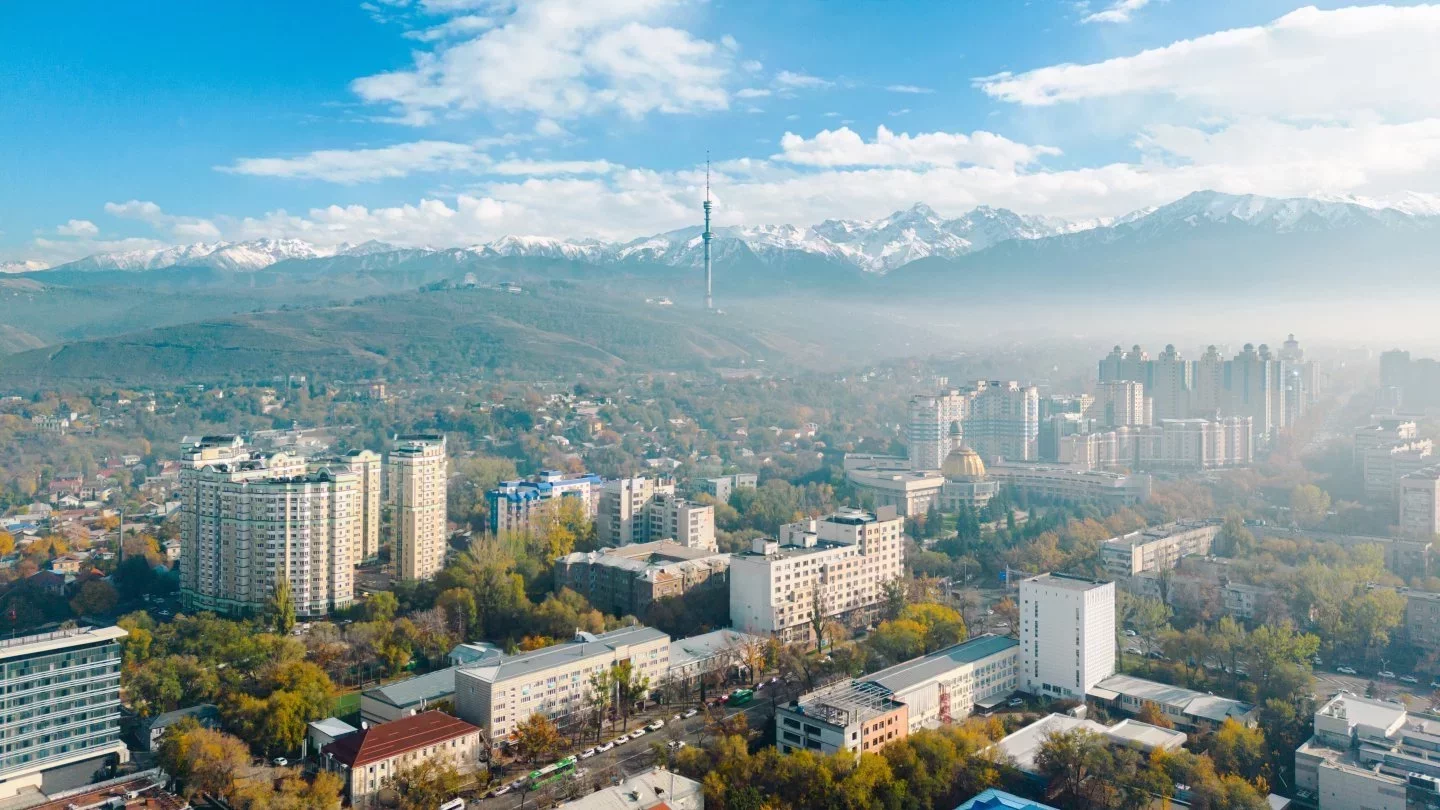 Photo: Elements.envato.com, ill. purposes
The metropolis may face serious infrastructure challenges in the next five years, Orda.kz reports, citing Energyprom.
Urbanization in Kazakhstan is advancing more rapidly than anticipated. Currently, 63.1% of the population resides in cities, exceeding the forecasted figure of 62.6%. If this trend continues, by 2030, 69% of Kazakhstan’s population could be living in urban areas.
As of May 1, 2025, 12.8 million people live in cities, while 7.5 million reside in rural areas. Astana and Almaty remain the primary destinations for internal migration.
Since Astana is being developed more actively, the process of urbanization for the capital does not yet bring such negative consequences as for Almaty. Firstly, more people are moving to the largest metropolis of the country. Secondly, the city is not yet able to provide the proper level of quality of life, housing, infrastructure for a large number of visitors,
analysts emphasize.
Over the past ten years, Almaty’s population has grown by 42.8%. The city now has 2.3 million residents, and with surrounding suburbs included, the figure exceeds three million.
The total population in the Almaty agglomeration already exceeds 3.8 million people. The annual growth is about 3%, which is twice as high as the national average. Particularly strong growth was recorded during the pandemic,
the experts note.
Experts predict that by 2030, Almaty’s population may reach 4.5 million, putting additional pressure on transportation, utilities, and the environment.
Population growth has not yet been matched by an increase in labor productivity. In 2024, Almaty’s productivity index remained nearly unchanged from 2019, at 99.9%. Only in 2023 was a 3.7% increase recorded.
Analysts refer to a classification of urbanization types by economist Yeldar Abdrazakov. He notes that there are examples of successful urbanization, such as in industrial cities like Shenzhen or New York, while in other cases, urban growth may lead to social tension if the city primarily acts as a consumer.
Labor productivity is currently highest in services, finance, and trade.
The key question raised is whether population growth will be accompanied by increased economic efficiency.
Further demographic growth of the Almaty agglomeration can only be justified if economic efficiency increases. In this large, cramped metropolis, only another metropolis can help. It is for these purposes that the new ‘smart’ city of Alatau is being built near Almaty,
analysts believe.
Original Author: Alexandra Mokhireva
Latest news
- Eyewitnesses Share Photos of Kazakh Citizens’ Evacuation
- Tokayev Orders Tighter Security for Kazakhstan’s Critical Infrastructure
- Semey Teen Convicted Over Telegram Chat Targeting Foreign Students
- Gender Equality Index 2025: Is Kazakhstan Leading in the Region?
- UNICEF Highlights Children’s Digital Rights in Draft Constitution of Kazakhstan
- Kazakhstani Journalists Returning From Ukraine Detained at Astana Airport
- Kazakhstan Prosecutor Opposes Deportation of 16-Year-Old Russian Teen
- Russian TV Channels Taken Off Air in Kazakhstan
- Mistaken Claim? Kazakhstan Denies $1B Contribution to the Board of Peace
- How many Kazakhstanis remain in the Middle East — MFA
- Kazhydromet Warns of High Flood Risk in Five Regions in 2026
- MP Calls for Prosecutor Review of Kazakhstanis’ Dubai Property
- Kazakhstan Moves to Legalize Private Detective Work
- Kazakhstan to Extend Gas Export Ban for Six More Months
- Majilis MP Calls to Soften Liability for Kazakhstanis Drawn into Foreign Wars for Pay
- The Delivery of 51 Stadler Passenger Coaches Has Been Delayed
- Kazakhstan Returns Nearly 1,000 Citizens From the Middle East
- Damaged Baikonur Launch Pad Facility Restored After 2025 Collapse
- A Rare Black Melanist Wolf Was Shot in Eastern Kazakhstan
- Kazakhstan Maintains Neutral Stance on Middle East Escalation
