

Kazakhstan's Interior Ministry Conceptually Backs Amnesty Proposal for Incarcerated Women
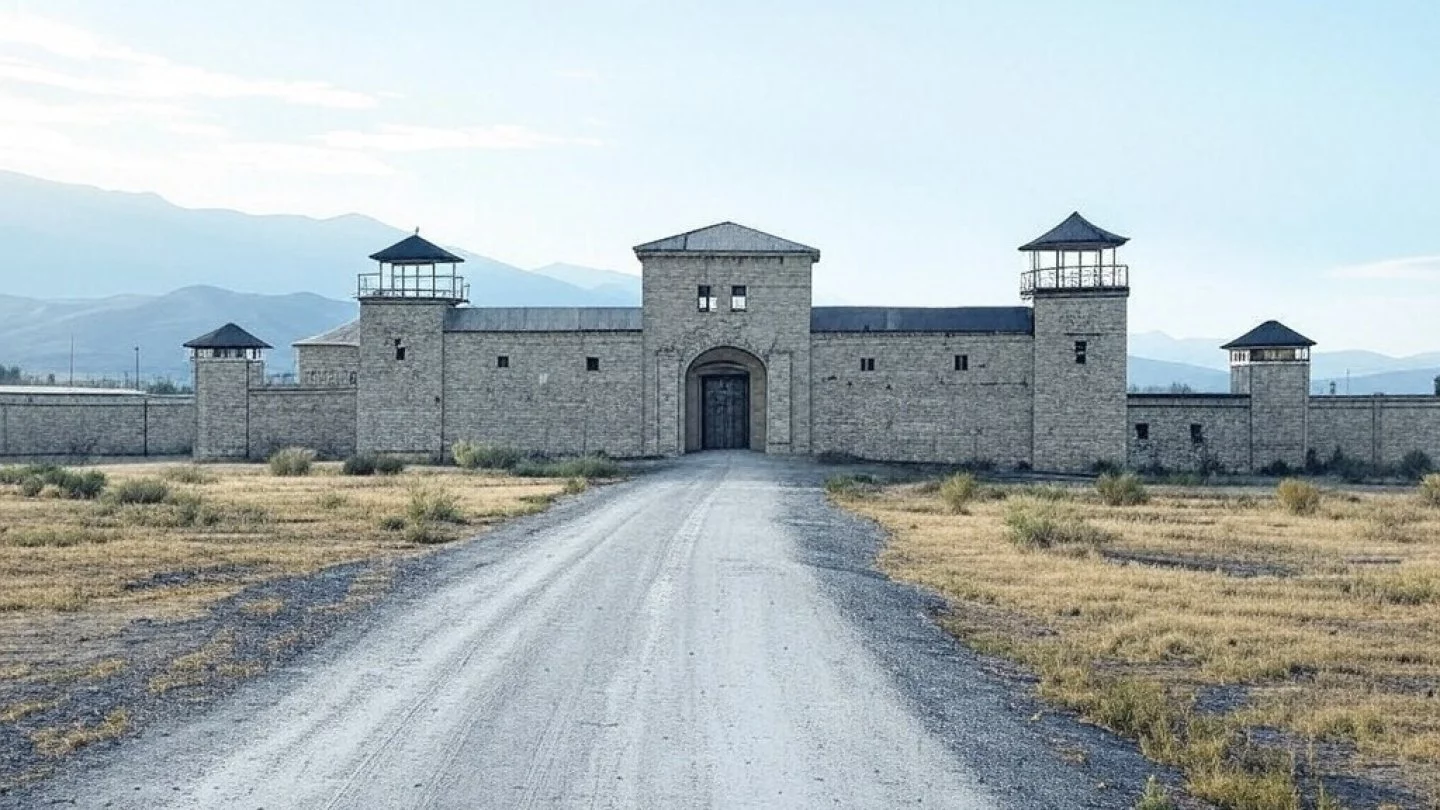 Photo: Grok AI Generated, ill. purposes.
The Ministry of Internal Affairs approved the proposal of Majilis deputy Karakat Abden to grant amnesty to incarcerated women, Orda.kz reports.
Karakat Abden previously read out a request on behalf of a group of Majilis members from the Auyl faction at a plenary session of the Majilis.
The deputies proposed that the Minister of Internal Affairs, Yerlan Sadenov, grant an amnesty to incarcerated women, timing it to coincide with the 30th anniversary of the Constitution of the Republic of Kazakhstan on August 30.
The release of more than two thousand convicts can lead to budget savings of up to 5.8 million tenge per day (total costs per convict per day are 2900 tenge, respectively, 2.1 billion tenge per year). This measure will demonstrate the principles of humanism, support for the state's social policy, and the adaptation of women. The amnesty will help strengthen family values and respect for children's rights, as well as optimize government spending and improve the conditions of detention of convicts in penal institutions by reducing the workload, The Ministry explained.
The Ministry "conceptually supports" the proposal to grant amnesty to incarcerated women.
According to the Ministry of Internal Affairs, today in Kazakhstan, 6,399 women are serving sentences for criminal offenses, of which 2,692 are in places of imprisonment and 3,707 are under probation control.
In accordance with Article 78 of the Criminal Code of the Republic of Kazakhstan, 1,220 women (157 in places of imprisonment, 1,064 under probation control) convicted of minor and medium-gravity crimes may be released from serving their sentences. In addition, 2,002 women were convicted of non-violent crimes, of which 1,766 were first-time offenders, and 150 committed minor and medium-gravity crimes. In turn, 5,055 women (2,535 in places of imprisonment, 2,520 under probation control) who committed severe and especially severe crimes may have their sentences reduced, The Ministry of Internal Affairs noted.
The Ministry proposes considering the crime's severity and an incarcerated person's social status.
Among those incarcerated are 29 women with disabilities (Group I - three, Group II - three, Group III - 15), 243 women over 60, 13 pregnant women, 58 women with young children, and 226 mothers with many children.
The Ministry of Internal Affairs also believes that it is necessary to mitigate punishment for women with outstanding claims (3,910) by replacing imprisonment with a more lenient punishment.
However, it is necessary to take into account the requirements of Article 14 of the Constitution of the Republic of Kazakhstan, according to which everyone is equal before the law and the court. No one can be subject to any discrimination on the basis of gender, the Ministry added.
The issue of releasing first-time offenders and those who committed non-violent crimes requires further analysis, taking into account the protection of the rights of victims.
The Ministry pointed out that amnesty also carries risks: protest sentiments may arise among citizens who suffered from crimes, and those released under amnesty may commit repeated offenses.
Original Author: Anastasia Prilepskaya
Latest news
- Eyewitnesses Share Photos of Kazakh Citizens’ Evacuation
- Tokayev Orders Tighter Security for Kazakhstan’s Critical Infrastructure
- Semey Teen Convicted Over Telegram Chat Targeting Foreign Students
- Gender Equality Index 2025: Is Kazakhstan Leading in the Region?
- UNICEF Highlights Children’s Digital Rights in Draft Constitution of Kazakhstan
- Kazakhstani Journalists Returning From Ukraine Detained at Astana Airport
- Kazakhstan Prosecutor Opposes Deportation of 16-Year-Old Russian Teen
- Russian TV Channels Taken Off Air in Kazakhstan
- Mistaken Claim? Kazakhstan Denies $1B Contribution to the Board of Peace
- How many Kazakhstanis remain in the Middle East — MFA
- Kazhydromet Warns of High Flood Risk in Five Regions in 2026
- MP Calls for Prosecutor Review of Kazakhstanis’ Dubai Property
- Kazakhstan Moves to Legalize Private Detective Work
- Kazakhstan to Extend Gas Export Ban for Six More Months
- Majilis MP Calls to Soften Liability for Kazakhstanis Drawn into Foreign Wars for Pay
- The Delivery of 51 Stadler Passenger Coaches Has Been Delayed
- Kazakhstan Returns Nearly 1,000 Citizens From the Middle East
- Damaged Baikonur Launch Pad Facility Restored After 2025 Collapse
- A Rare Black Melanist Wolf Was Shot in Eastern Kazakhstan
- Kazakhstan Maintains Neutral Stance on Middle East Escalation
