

Kazakhstan’s First Tagged Eurasian Black Vulture Found Dead in India
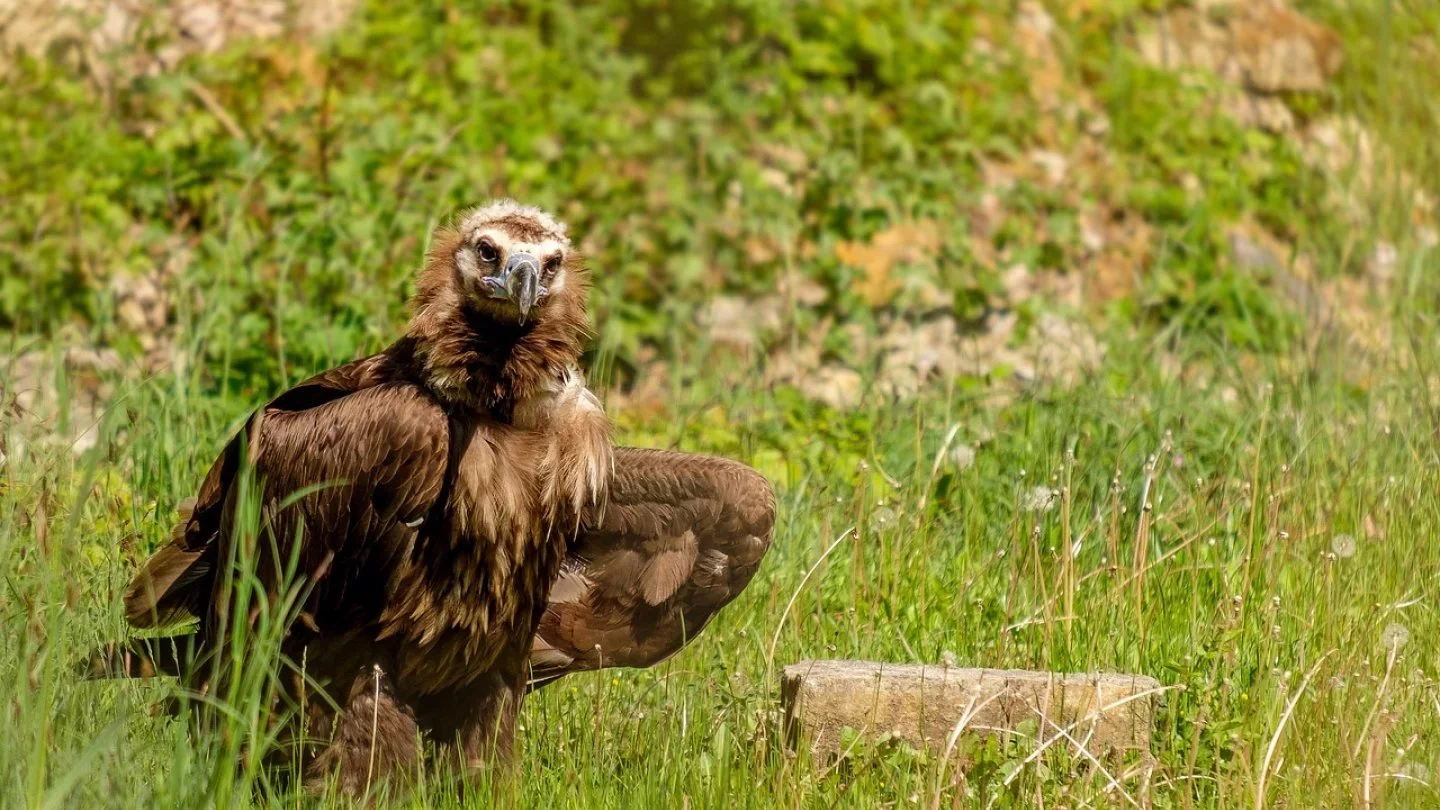 Photo: pixabay
A young vulture fitted with a satellite transmitter in Kazakhstan was found dead in India’s Rajasthan state. Conservationists believe the bird may have died after feeding on the carcass of an animal treated with a toxic veterinary drug, Orda.kz reports.
The first black vulture from Kazakhstan tracked by scientists using a satellite transmitter was found dead in the Jodhpur area.
Specialists went to the site and confirmed the bird’s death after its signal stopped moving.
From the identification ring, it became clear that this was the same vulture with the number KA5105, which ornithologists had tagged in the summer of 2024. The transmitter attached to the bird’s body could not be found.
The vulture died about a week before it was discovered. By that time, the body had already decomposed significantly, and some of the remains had been eaten by wild animals.
the article says.
Scientists suggest that the bird may have been poisoned. One possible explanation is that the vulture ate the carcass of an animal that had been treated with a banned painkiller before its death. Such drugs are considered one of the main causes of vulture deaths in South Asia.
The young vulture was tagged with a satellite transmitter as part of an international programme to study the migration of birds of prey. During the observation period, it successfully flew between Central Asia and the Indian subcontinent twice.
Rajasthan is known for its so-called “carcass cemeteries” — places where dead cattle are taken. They attract a large number of birds of prey, including those migrating from Central Asia. But along with the food, birds often receive a lethal dose of veterinary drugs.
For example, nimesulide, a painkiller used to treat cattle, is deadly to vultures. When animals die and their carcasses are left in dumps, birds eat the meat along with traces of the drug and often die. As the article notes, the production and sale of this drug were recently banned in India, but environmentalists say it is still available in some regions.
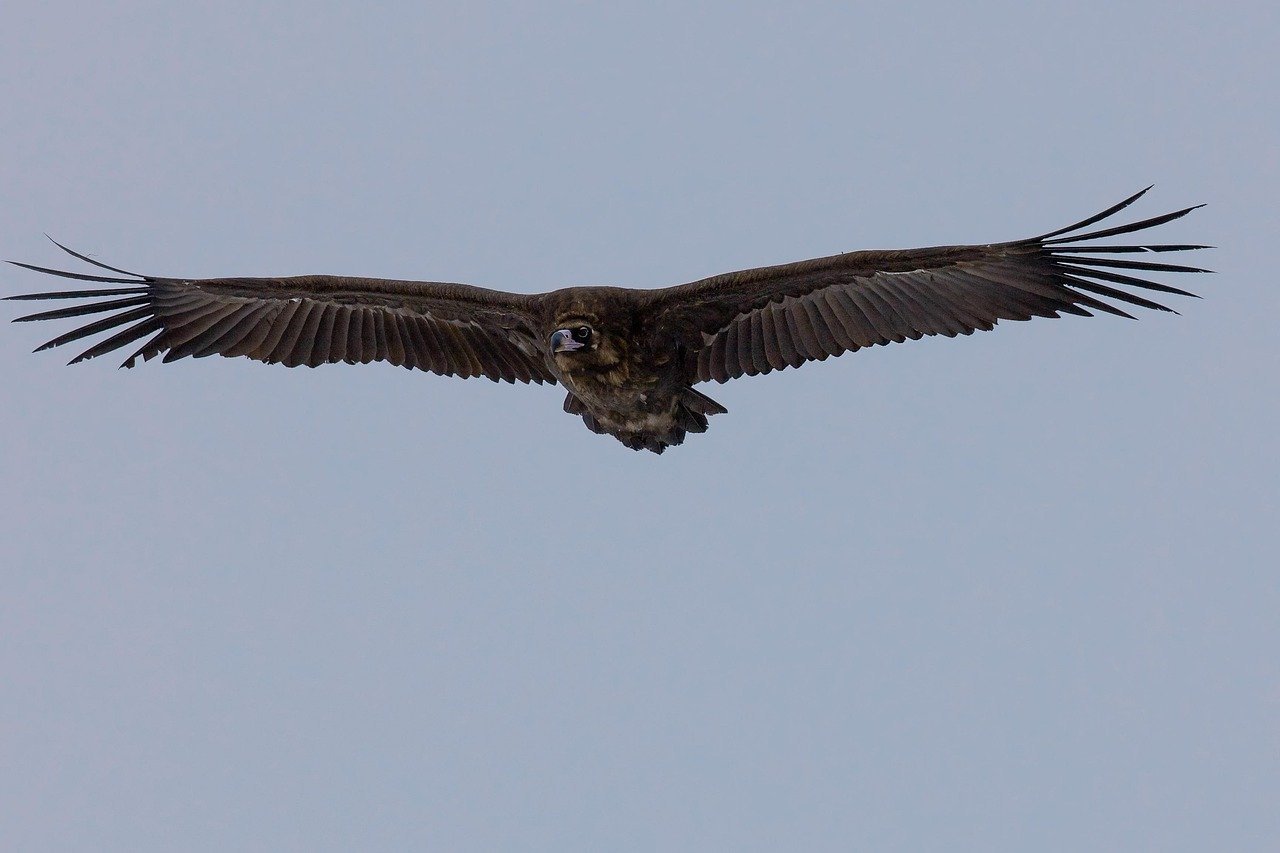
The black vulture is one of the largest birds of prey in Eurasia and a rare species. In Kazakhstan, it nests in mountainous areas — from Karatau and the Tien Shan to the Altai — and is also found in the Ustyurt Reserve and Buiratau National Park.
More than 20 years ago, the number of cinereous vultures in the republic was estimated at about 250 pairs. There is no exact data on the current population. The species is listed in the Red Book and is considered vulnerable, with its numbers gradually declining.
Ecologists believe that it is important to protect nesting sites and create safe feeding grounds to preserve the species. In some countries, animal carcasses free of veterinary drugs are deliberately left for vultures so that the birds can feed safely.
The programme for the conservation, restoration and use of birds of prey was adopted in Kazakhstan back in 1997. At that time, 39 species of diurnal birds of prey were recorded in the republic.
In early March, the government of Kazakhstan approved the concept for the conservation and sustainable use of biological diversity. The document outlines the direction of state policy in the field of nature protection for the next 10 years.
Original author: Natalya Ovchinnikova
Read also:
Latest news
- Price Growth In Kazakhstan Slows
- How A Chinese Goose Ended Up In Almaty And Joined A Flock Of Wild Ducks
- How Much Savings Make A Kazakhstani Well-Off In Kazakhstan
- How The War In The Middle East Affected Kazakhstanis’ Pension Savings
- Why Almaty’s Crematorium Is Still Not Operating: Authorities Explain
- Why Sparrows And Swallows Have Disappeared In Almaty, Expert Explains On Bird Day
- Audit Finds Violations In Use Of Kazakhstan’s National Fund Money
- Employment Rate In Kazakhstan Falls Despite Lower Unemployment
- “They Have Already Risen Sharply”: Deputy Calls For Extending Utility Tariff Moratorium
- Kazakhstan May Ban Storage Of Extremist And Terrorist Materials
- School Built Three Years Ago Already Falling Apart In Turkestan Region
- The Rich Save, The Poor Borrow: Expert Describes Kazakhstan’s Economic Model
- Stock Up On Sandbags: East Kazakhstan Residents Warned Of Possible Flooding
- Civil Service Recruitment In Kazakhstan Goes Fully Online
- Justice Ministry Explains Constitutional Protection Against Arbitrary Eviction
- Floods In Akmola Region Enter Active Phase, Ministry Of Emergency Situations Says
- Businessman Who Brought Popeyes To Kazakhstan To Receive 700 Mln Tenge In Dividends From Broker
- Kazakhstan Approves Comprehensive Plan To Preserve Cultural Heritage
- Clothes, Food, And Cosmetics Lead Kazakhstan’s Online Shopping Boom
- Scholarships Will Not Be Increased in Kazakhstan Yet
