

Kazakhstan: Volunteers Discover 11 New Petroglyph Sites Amid Ongoing Challenges With Monument Protection
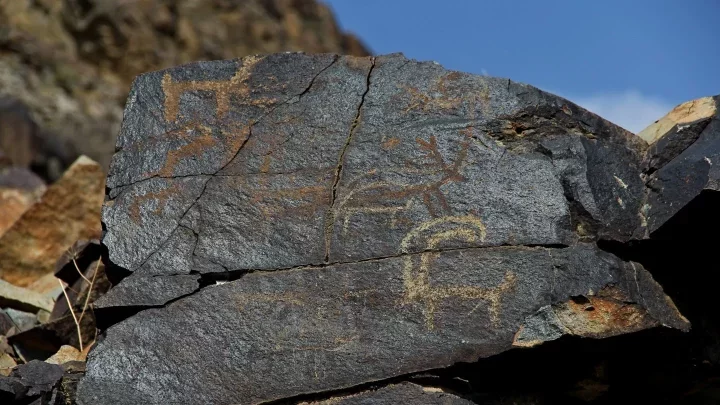 Petroglyphs in Altyn-Emel National Park. Photo: Igor Ulitin, Orda.kz
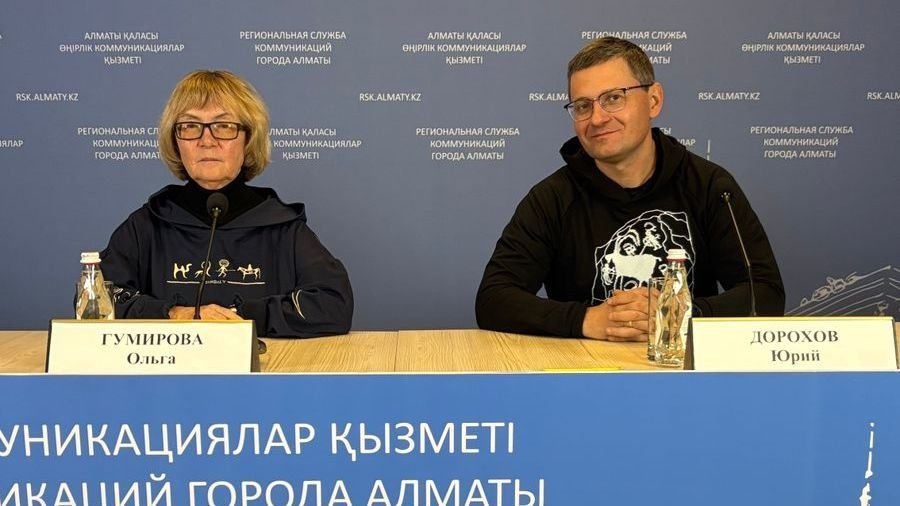
The process of granting state protection to newly discovered archaeological sites remains slow and cumbersome, volunteers from the Petroglyph Hunters foundation said at a December 2 press conference in Almaty, Orda.kz reports.
Since 2025, the team has completed 27 expeditions and identified 11 new petroglyph sites, along with ancient burial grounds and other historical monuments. According to executive director Olga Gumirova, volunteers worked in the Degeres, Altyn-Emel, and Bayan-Jurek ranges, the left bank of the Koksu River, the Assy plateau, and other areas.
New concentrations of rock art were also found in Eshkiolmes — one of the largest complexes in Eurasia.
Gumirova highlighted two especially valuable finds: the first — well-preserved burials in the Molala Gorge, where Kazakh ethnographic cemeteries lie directly among Bronze Age and Early Iron Age burial grounds.
Previously, this was seen in drawings, but here this connection is found in burials,
she said, noting the unique continuity visible from ancient times to the 18th–19th centuries.
The second significant discovery is a cluster of highly artistic petroglyphs in Bayan-Jurek.
Activists stressed that all such findings are vulnerable until they are officially protected under state law. Despite recent progress — including Kazakhstan’s ban on metal detectors, which volunteers say were “a real scourge” — many protection regimes remain undefined.
Protection rules for many archaeological sites are still unregulated. We advocate for potential archaeological sites to be protected immediately after their discovery,
said Yuri Dorokhov of the foundation.
Currently, a site must undergo extensive documentation, expert evaluation, and official review before receiving protected status, leaving it exposed to vandalism and industrial damage.
Volunteers pointed to past damage in Arkharly and Qyzyltas, where quarrying impacted petroglyphs before public attention forced authorities to intervene.
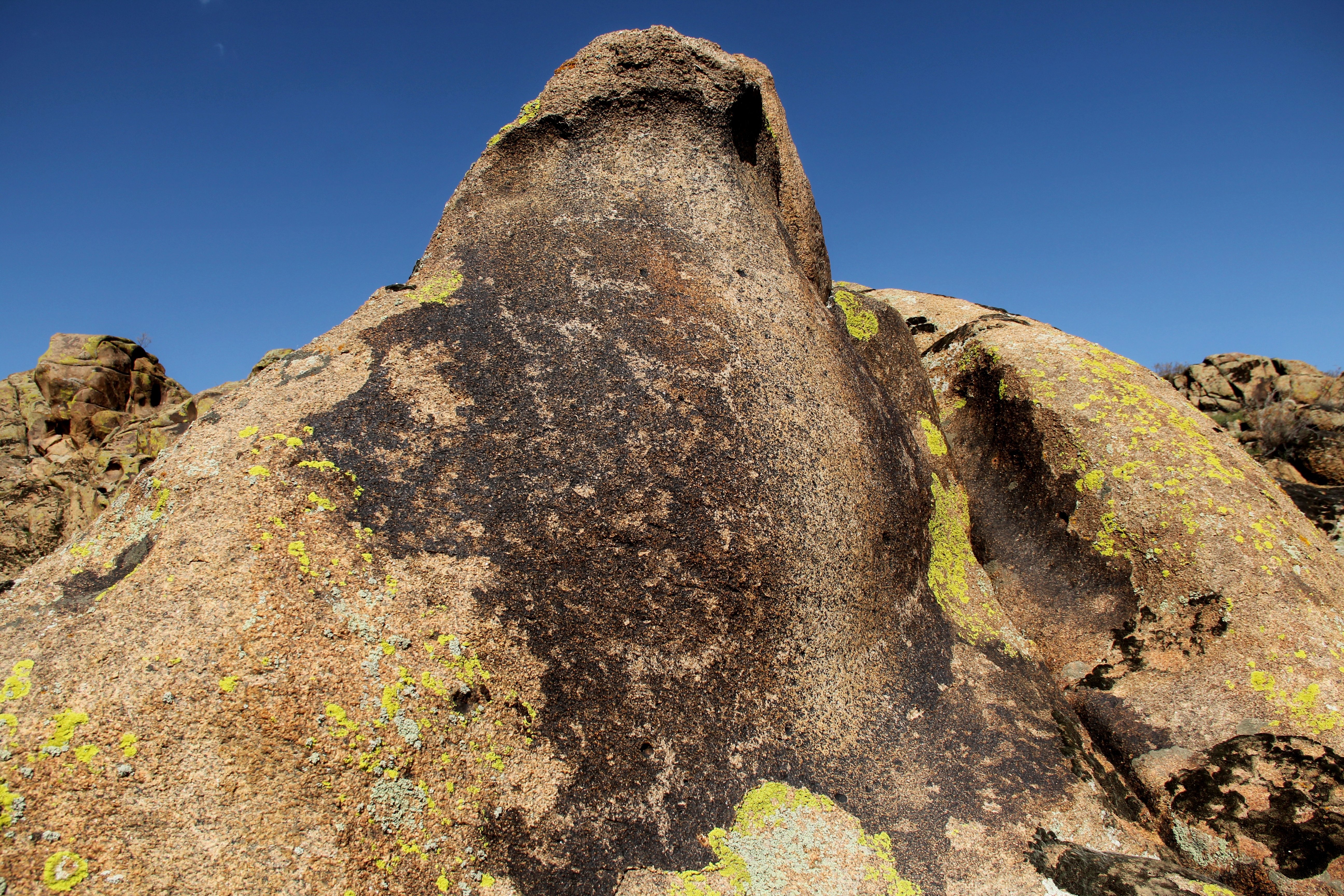
Gumirova added that only a fraction of Kazakhstan’s rock art has been documented: scientists estimate more than 1,500 clusters exist, while only about 300 are officially recorded.
The foundation plans to begin surveying the Eshkiolmes petroglyph complex in May 2025, with the goal of creating a 3D virtual tour by 2027 to broaden public access to the ancient art.
We previously reported on how artificial intelligence is being used to study documented petroglyphs.
Original Author: Igor Ulitin
Latest news
- Orda.kz Editorial Team to Cease Operations on September 1
- The Price of a Degree: How Students in Kazakhstan Pay for University
- Second Przewalski’s Horse Foal Born as Species Returns to Kazakhstan
- Kazakh Mining Companies Can Recalculate Purchases if Tenge Weakens
- Kazakhstan Names First Vice President in Three Decades
- What Almaty’s Bus Shelters Are Missing
- 400-Truck Queue Builds at Kazakh–Kyrgyz Border
- Kazakhstan Ready to Help Feed and Rebuild Gaza
- Tokayev Establishes New Presidential Security Body
- Almaty Takes Back Its Nearly Century-Old Hippodrome
- No More Guesswork on Savings: Kazakhstan Tightens Energy Audits for Businesses
- Public Money Could Be Used to Rescue Failing Kazakh Banks
- Third Kazakh Woman Reported Missing in Nepal-China Flood Zone
- Falconer Convicted Over 35 Protected Birds, Spared Punishment Under Amnesty
- Kazakh Citizen Detained in Yakutia in Phone Fraud Case
- Yuan Instead of Dollars? KazMunayGas Draws Record Demand in Asia
- China Gains Oil-Market Influence as OPEC+ Weakens
- Kazakhstan to Divide Smartphones Into White, Gray and Black Lists
- Kazakhstan’s Government Formally Resigns as First Kurultai Session Opens
- Rare Lynx Sighting Recorded in Northern Kazakhstan
