

Kazakhstan Plans at Least Three Nuclear Power Plants by 2050 to Strengthen Energy Security
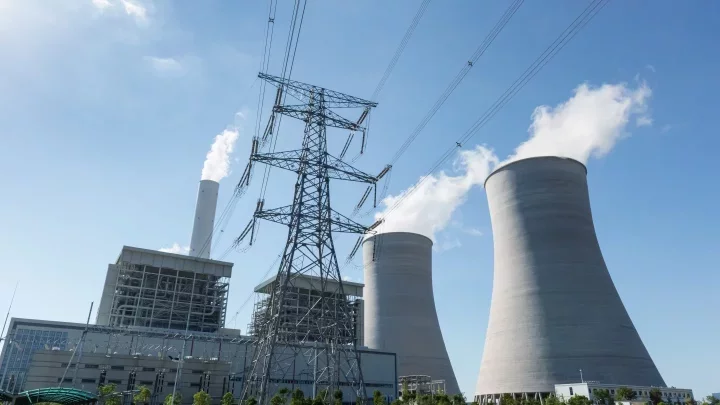 Photo: elements.envato.com
Kazakhstan plans to commission at least three nuclear power plants by 2050, the Atomic Energy Agency said. The construction of a fourth plant is also being considered in the future, taking into account the country’s growing electricity consumption, Orda.kz reports.
The authorities say the development of nuclear energy is necessary because of the growing load on the power system and the gradual aging of coal-fired power plants. New nuclear plants are expected to ensure stable energy supplies, reduce dependence on traditional generation and cut emissions.
In addition to large plants, the possibility of building nuclear facilities based on small modular reactors is also being considered. Such projects could be implemented in certain regions where they are economically and technologically justified, including as a replacement for obsolete capacity.
To coordinate all projects, a competence center is to be created on the basis of Kazakhstan Nuclear Power Plants LLP. It will serve as a project office and customer, and in the future may become the foundation of a single nuclear energy holding uniting all key projects in the sector.
The implementation of the program is expected to require significant human resources. During construction alone, up to 10,000 people are expected to be involved, including more than 3,000 technical specialists. In this connection, Kazakhstan is strengthening training for the nuclear sector.
Special attention is being paid to safety. The authorities say they are moving to a modern system of radioactive waste management, from minimization and recycling to safe storage and disposal. All processes will be built in line with IAEA standards.
A strategy for the development of the nuclear sector aimed at ensuring energy security has been adopted.
It was approved by Kassym-Jomart Tokayev. The document is a long-term policy framework that defines the goals, approaches and priorities of state policy in the peaceful use of nuclear energy.
According to the strategy, the development of the nuclear sector includes the following key areas:
- development of national nuclear energy, including the construction and safe operation of nuclear power plants;
- development of the nuclear industry and the rational use of uranium resources;
- development of nuclear science and applied nuclear technologies to build a modern scientific and technological base;
- creation of an effective system for the safe management of radioactive waste and spent nuclear fuel aimed at minimizing environmental risks;
- strengthening nuclear, radiation and physical nuclear safety systems;
- localization of production and development of national industrial capacity;
- systematic training of highly qualified specialists for the needs of the nuclear industry;
- introduction of digital solutions and ensuring a high level of information security.
By 2050, at least three nuclear power plants are expected to be operating in Kazakhstan. Work on the first plant has already begun, the construction of the second is under consideration, and for the third, the use of small modular reactor technology is being studied as a promising option.
Radiation monitoring and rehabilitation of territories, including areas adjacent to the Semipalatinsk nuclear test site, are also continuing. At the same time, infrastructure is being modernized and control over nuclear materials is being strengthened.
For the first nuclear power plant, modern Generation III+ reactors were selected. They are equipped with passive safety systems that can provide protection even without operator involvement or external power supply. The design also takes into account global experience, including the consequences of the Fukushima Daiichi accident.
Original author: Rustam Muratov
Read also:
Latest news
- Orda.kz Editorial Team to Cease Operations on September 1
- The Price of a Degree: How Students in Kazakhstan Pay for University
- Second Przewalski’s Horse Foal Born as Species Returns to Kazakhstan
- Kazakh Mining Companies Can Recalculate Purchases if Tenge Weakens
- Kazakhstan Names First Vice President in Three Decades
- What Almaty’s Bus Shelters Are Missing
- 400-Truck Queue Builds at Kazakh–Kyrgyz Border
- Kazakhstan Ready to Help Feed and Rebuild Gaza
- Tokayev Establishes New Presidential Security Body
- Almaty Takes Back Its Nearly Century-Old Hippodrome
- No More Guesswork on Savings: Kazakhstan Tightens Energy Audits for Businesses
- Public Money Could Be Used to Rescue Failing Kazakh Banks
- Third Kazakh Woman Reported Missing in Nepal-China Flood Zone
- Falconer Convicted Over 35 Protected Birds, Spared Punishment Under Amnesty
- Kazakh Citizen Detained in Yakutia in Phone Fraud Case
- Yuan Instead of Dollars? KazMunayGas Draws Record Demand in Asia
- China Gains Oil-Market Influence as OPEC+ Weakens
- Kazakhstan to Divide Smartphones Into White, Gray and Black Lists
- Kazakhstan’s Government Formally Resigns as First Kurultai Session Opens
- Rare Lynx Sighting Recorded in Northern Kazakhstan
