

Kazakhstan Moves Toward Raw Grain Exports
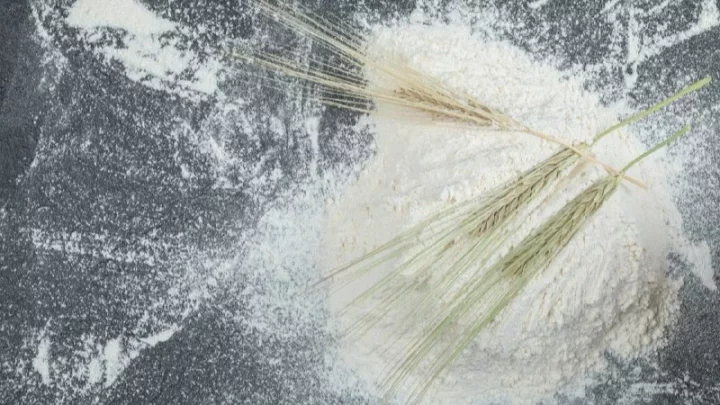 Photo: freepik, illustrative purposes
Kazakhstan is gradually shifting from exporting processed flour to supplying raw agricultural materials. This trend was discussed at a round table on agricultural exports in Astana, Orda.kz reports.
In 2024, Kazakhstan's agricultural exports declined by 5.3%, totaling $5.1 billion. Wheat exports dropped by 39.4%, flour by 12.6%, grain processing waste by 46.7%, and oilseed products by 42.4%.
This is due to the low wheat harvest in Kazakhstan in 2023, as well as increased competition with Russian wheat and flour products. Last year, we also observed a narrowing of the geography of export markets, as the main export markets - Italy, Turkmenistan and Afghanistan, Russia - significantly reduced their consumption of Kazakhstan's wheat, said Vice Minister of Trade and Integration Zhanel Kushukova.
Experts argue that the issue goes beyond climate and competition. Kazakhstan, they say, is losing its position in the processed goods market and focusing increasingly on raw exports.
All traditional buyers of our flour have switched to purchasing our wheat, developing their own processing capacities. Moreover, they are using non-tariff restrictions in trade. Unfortunately, we are practically not reacting to the growth of wheat supplies and the reduction of flour supplies to the countries of the Central Asian region, gradually turning from an exporter of flour into a supplier of high-quality raw materials for processing in neighboring countries, said Zhomart Motyshev, President of the Union of Grain Processors of Kazakhstan.
One key challenge in Kazakhstan's grain and flour exports is that Central Asian countries can import both products under the same trade conditions.
Our export products have been replaced. If previously, mainly flour was supplied to Uzbekistan, and the share of grain was minimal, now it is a completely different matter. The volume of annual grain supplies is more than three million tons. Our southern neighbors buy it because they already have their own flour milling industry. Kazakhstan's grain is processed into flour, which is sent to other Central Asian countries and Afghanistan,
Zhomart Motyshev said.
A recent order by the Ministry of Agriculture to subsidize grain transport through Turkmenistan to Iran, Afghanistan, Tajikistan, and Uzbekistan could further encourage flour production in these countries. As a result, demand for Kazakhstan's flour may fall, potentially leading to the closure of domestic milling operations.
Original Author: Zhadra Zhulmukhametova
Latest news
- Orda.kz Editorial Team to Cease Operations on September 1
- The Price of a Degree: How Students in Kazakhstan Pay for University
- Second Przewalski’s Horse Foal Born as Species Returns to Kazakhstan
- Kazakh Mining Companies Can Recalculate Purchases if Tenge Weakens
- Kazakhstan Names First Vice President in Three Decades
- What Almaty’s Bus Shelters Are Missing
- 400-Truck Queue Builds at Kazakh–Kyrgyz Border
- Kazakhstan Ready to Help Feed and Rebuild Gaza
- Tokayev Establishes New Presidential Security Body
- Almaty Takes Back Its Nearly Century-Old Hippodrome
- No More Guesswork on Savings: Kazakhstan Tightens Energy Audits for Businesses
- Public Money Could Be Used to Rescue Failing Kazakh Banks
- Third Kazakh Woman Reported Missing in Nepal-China Flood Zone
- Falconer Convicted Over 35 Protected Birds, Spared Punishment Under Amnesty
- Kazakh Citizen Detained in Yakutia in Phone Fraud Case
- Yuan Instead of Dollars? KazMunayGas Draws Record Demand in Asia
- China Gains Oil-Market Influence as OPEC+ Weakens
- Kazakhstan to Divide Smartphones Into White, Gray and Black Lists
- Kazakhstan’s Government Formally Resigns as First Kurultai Session Opens
- Rare Lynx Sighting Recorded in Northern Kazakhstan
