

Kazakhstan Lifted Russian Wheat Import Ban: What Does This Mean?
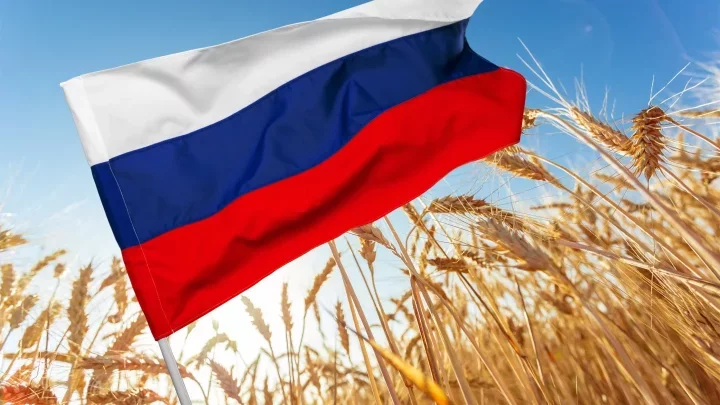 Photo: Elements.envato.com
On January 1, 2025, Kazakhstan reopened its borders to grain imports from Russia, ending a ban that had been in place for nearly six months.
The market remains volatile, and it's unclear whether lifting these restrictions will lead to stability or spark another wave of price wars.
Orda.kz shares insights from Russian farmers on the situation.
During discussions between Rosselkhoznadzor and Kazakhstan's Ministry of Agriculture, officials addressed not only mutual grain supply agreements but also the establishment of new phytosanitary regulations. These updated standards will now apply to grain, flowers, fruits, vegetables, and seeds.
Kazakhstan confirmed the lifting of its wheat import ban starting January 1, covering imports from third countries and the EAEU. The ban, which was introduced from August 21 to December 31, 2024, is no longer in place, allowing unrestricted wheat imports moving forward. Rosselkhoznadzor said.


The Kazakhstani side assured that any further restrictions would be implemented only if deemed necessary, based on the state of the domestic market.
The decision to introduce any non-tariff measures for regulating wheat imports will depend on the grain market situation, in particular: grain reserves, market supply level and demand, the need to protect the interests of domestic producers, efforts to combat gray imports and illegal re-export schemes, and developments in the global grain market. ElDala.kz quoted Kazakhstan's Ministry of Agriculture as saying.
Unregulated Wheat
From August 21 to December 31, 2024, Kazakhstan enforced a strict ban on wheat imports.
The ban was prompted by an oversupply from the previous year's harvest and an exceptionally generous grain yield in the past year. Deputy Prime Minister Serik Zhumangarin explained that the market was overloaded with cheap wheat.
Unregulated wheat, sold through gray schemes at prices far below production costs —between $60 and $80 per ton—not only disrupts the market and undermines the honest work of thousands of our farmers, but also brings confusion to export markets,he said.
Zhumangarin emphasized that the ban was essential to establish a transparent pricing policy for the domestic market.
During this period, the Minister, officials from the Ministry of Agriculture, and I traveled to all regions, holding hundreds of meetings with farmers to determine fair prices for direct purchases, forward purchases, and export markets. Now, pricing policy has been fully stabilized, and the market has received a clear signal. As a result, grain traders have increased prices by at least $20 per ton, he stated.
Despite the restrictions, some managed to send grain into Kazakhstan.
In August, four trucks in the Qostanay region attempted to bring over 110 tons of wheat into the country.
No Rush
Despite lifting the ban, there has been little activity surrounding Russian grain imports.
Maria Shostak, director of the Altai branch of the Federal Center for Assessment of Safety and Quality of Agricultural Products, shared this observation during a podcast on the Business FM Barnaul radio station.
There is a small interest in fifth-class wheat for deep processing, but that's about it. Kazakhstanis are currently exploring our Siberian market. While our prices are reasonable, there’s absolutely no rush for Russian wheat at the moment, she said.
A partial ban on wheat imports to Kazakhstan was initially introduced on April 1.
Under the restrictions, grain could only be imported by rail and exclusively for the needs of poultry and flour milling enterprises.
Before the restrictions, Siberian wheat was exported for processing at accredited elevators, where it was used to produce flour.
Additionally, some high-quality grain — gluten content above 23% and excellent overall indicators — was supplied to poultry farms for further processing.
According to Nikita Kozhanov, Chair of the Altai Territory Union of Farmers, Kazakhstan’s transport infrastructure successfully withstood the peak, which became an additional factor in lifting the restrictions.
The visit of high-ranking Russian officials to Kazakhstan late last year likely played a significant role in this decision. I often hear accusations against Kazakhstan of being unreliable as a partner in matters of export and transit through its territory. However, this perspective seems somewhat one-sided, as it primarily reflects the interests of processors. From a farmer’s viewpoint, Kazakhstan is a strategic partner, Kozhanov stated.
Russia imposed its temporary ban on importing Kazakh wheat on October 17, 2024, citing non-compliance with phytosanitary standards. The restrictions extended to flaxseed and lentils.
However, both sides are already working to normalize relations, which could pave the way for stronger cooperation.
Experts cautiously predict an increase in grain prices in the new year. While lifting the ban may help stabilize the market, uncertainties remain.
Meanwhile, the Ministry of Agriculture spoke about the primary buyers of Kazakh grain.
Among the leading importers are Uzbekistan, China, and Tajikistan.
Original Author: Alina Pak
Latest news
- Orda.kz Editorial Team to Cease Operations on September 1
- The Price of a Degree: How Students in Kazakhstan Pay for University
- Second Przewalski’s Horse Foal Born as Species Returns to Kazakhstan
- Kazakh Mining Companies Can Recalculate Purchases if Tenge Weakens
- Kazakhstan Names First Vice President in Three Decades
- What Almaty’s Bus Shelters Are Missing
- 400-Truck Queue Builds at Kazakh–Kyrgyz Border
- Kazakhstan Ready to Help Feed and Rebuild Gaza
- Tokayev Establishes New Presidential Security Body
- Almaty Takes Back Its Nearly Century-Old Hippodrome
- No More Guesswork on Savings: Kazakhstan Tightens Energy Audits for Businesses
- Public Money Could Be Used to Rescue Failing Kazakh Banks
- Third Kazakh Woman Reported Missing in Nepal-China Flood Zone
- Falconer Convicted Over 35 Protected Birds, Spared Punishment Under Amnesty
- Kazakh Citizen Detained in Yakutia in Phone Fraud Case
- Yuan Instead of Dollars? KazMunayGas Draws Record Demand in Asia
- China Gains Oil-Market Influence as OPEC+ Weakens
- Kazakhstan to Divide Smartphones Into White, Gray and Black Lists
- Kazakhstan’s Government Formally Resigns as First Kurultai Session Opens
- Rare Lynx Sighting Recorded in Northern Kazakhstan
