

Kashagan Sulfur Dispute Escalates: Why Kazakhstan Threatened NCOC Chief With Prosecution
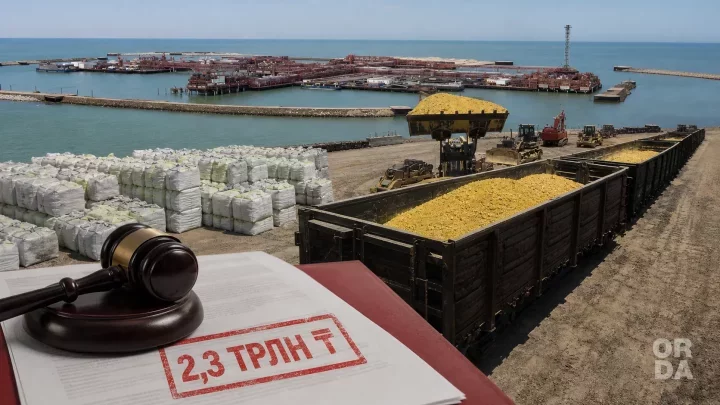 Illustration: Orda.kz
The dispute over the 2.3 trillion tenge environmental fine imposed on the Kashagan operator has escalated. NCOC Managing Director Giancarlo Ruiu may face administrative and criminal liability, while industry experts argue that sulfur is not waste but a valuable commodity, Orda.kz reports.
Reuters reported the warning, citing two sources and a Justice Ministry document. According to the document, Ruiu was warned that he could face administrative and criminal liability for failing to comply with the court ruling.
Earlier, Orda.kz reported that NCOC had until July 20 to pay the fine voluntarily. After that deadline, the authorities could begin enforcement proceedings and impose an additional 10% surcharge of approximately 230 billion tenge.
NCOC, in turn, refers to an interim order issued by an arbitration tribunal operating under UNCITRAL rules. The Justice Ministry maintains that private commercial arbitration cannot suspend a Kazakh court ruling or restrict the state’s authority to enforce environmental law.
KMG Ready to Pay, Foreign Partners Are Not
The dispute has also exposed a split among the Kashagan project’s shareholders. Bloomberg reported that KazMunayGas intends to pay its share of the fine and has informed the government and its partners. KMG holds a 16.88% stake in Kashagan. The national oil company has not publicly confirmed the report.
The project’s foreign shareholders — Shell, Eni, TotalEnergies, ExxonMobil, CNPC and Inpex — continue to deny any violations and are challenging the fine through international arbitration.
Is Sulfur a Commodity or Waste?
Behind the legal dispute is a broader question: can sulfur be classified as waste when it remains a sought-after commodity on international markets?
Oil and gas expert Nurlan Zhumagulov noted that Kazakhstan has faced a similar dispute before. In 2007, Tengizchevroil paid 37.4 billion tenge — approximately $306 million at the exchange rate at the time — for storing sulfur above permitted limits.
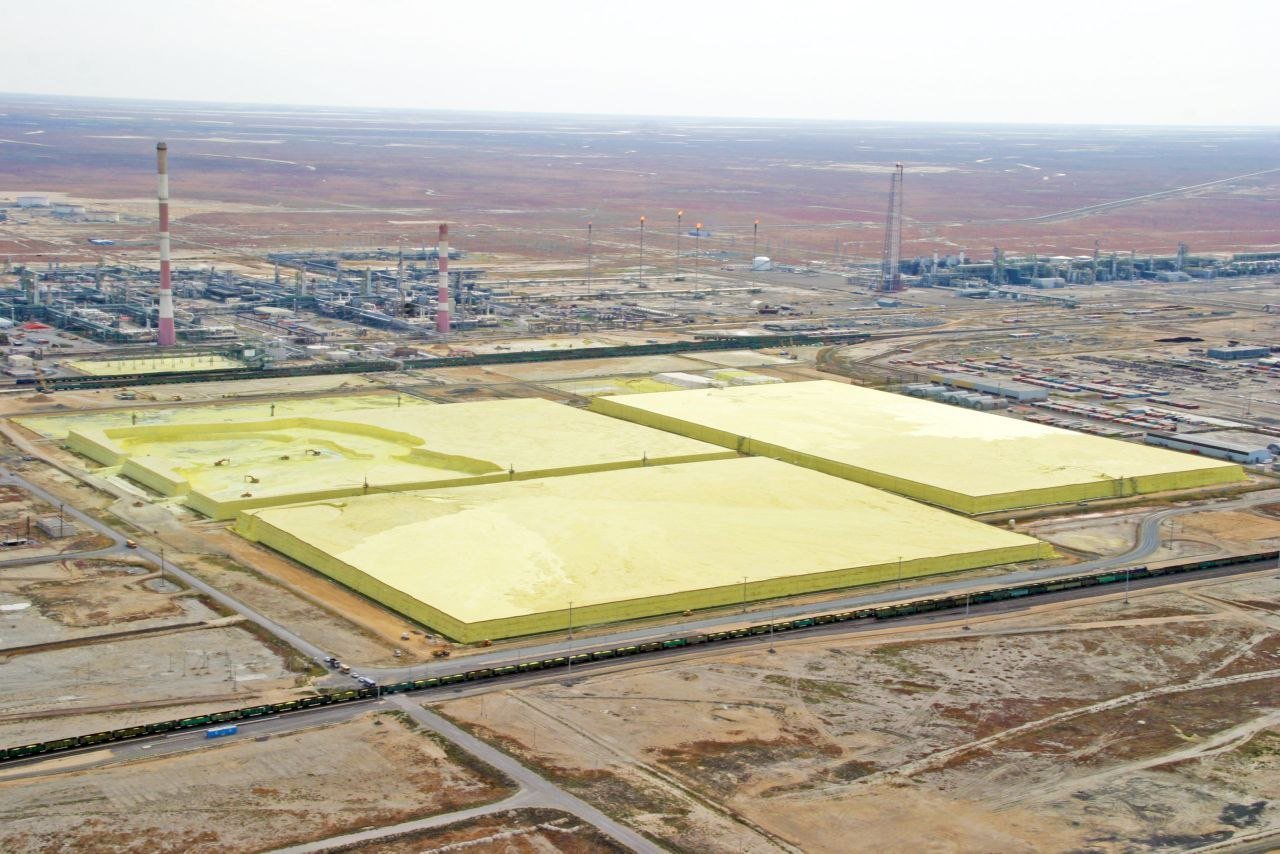 Photo: Instagram/tengizfield
Zhumagulov also cited a 2009 U.S. Embassy diplomatic cable published by WikiLeaks. In the cable, former KazMunayGas executive Maksat Idenov described sulfur not as waste but as a legitimate marketable commodity produced during oil and sour-gas processing.
According to Zhumagulov, nearly two decades later, the same dispute is unfolding around Kashagan and NCOC. The state is fining the operator for storing sulfur that the industry considers a commercial product.
The expert said sulfur currently sells for around $1,000 per metric ton and that demand for Kazakhstan’s output remains high.
Zhumagulov compared the situation with Canada, where sulfur is also stored outdoors under strict environmental controls. He said NCOC follows similar requirements.
The expert also said enforcement of the fine had been delayed. According to his information, the Ecology Ministry has not yet prepared the documents required for the Justice Ministry to begin collection proceedings.
Original author: Alexander Zhdanov
Read also:
- Arbitration Temporarily Blocks Kazakhstan From Collecting Kashagan Fine
- German Refinery Turns to South America After Losing Kazakh Oil
- Kazakhstan to Expand Three Refineries and Build a New One
Latest news
- Orda.kz Editorial Team to Cease Operations on September 1
- The Price of a Degree: How Students in Kazakhstan Pay for University
- Second Przewalski’s Horse Foal Born as Species Returns to Kazakhstan
- Kazakh Mining Companies Can Recalculate Purchases if Tenge Weakens
- Kazakhstan Names First Vice President in Three Decades
- What Almaty’s Bus Shelters Are Missing
- 400-Truck Queue Builds at Kazakh–Kyrgyz Border
- Kazakhstan Ready to Help Feed and Rebuild Gaza
- Tokayev Establishes New Presidential Security Body
- Almaty Takes Back Its Nearly Century-Old Hippodrome
- No More Guesswork on Savings: Kazakhstan Tightens Energy Audits for Businesses
- Public Money Could Be Used to Rescue Failing Kazakh Banks
- Third Kazakh Woman Reported Missing in Nepal-China Flood Zone
- Falconer Convicted Over 35 Protected Birds, Spared Punishment Under Amnesty
- Kazakh Citizen Detained in Yakutia in Phone Fraud Case
- Yuan Instead of Dollars? KazMunayGas Draws Record Demand in Asia
- China Gains Oil-Market Influence as OPEC+ Weakens
- Kazakhstan to Divide Smartphones Into White, Gray and Black Lists
- Kazakhstan’s Government Formally Resigns as First Kurultai Session Opens
- Rare Lynx Sighting Recorded in Northern Kazakhstan
