

Increase in Emission Rates: Should Kazakhstanis Prepare for Higher Tariffs?
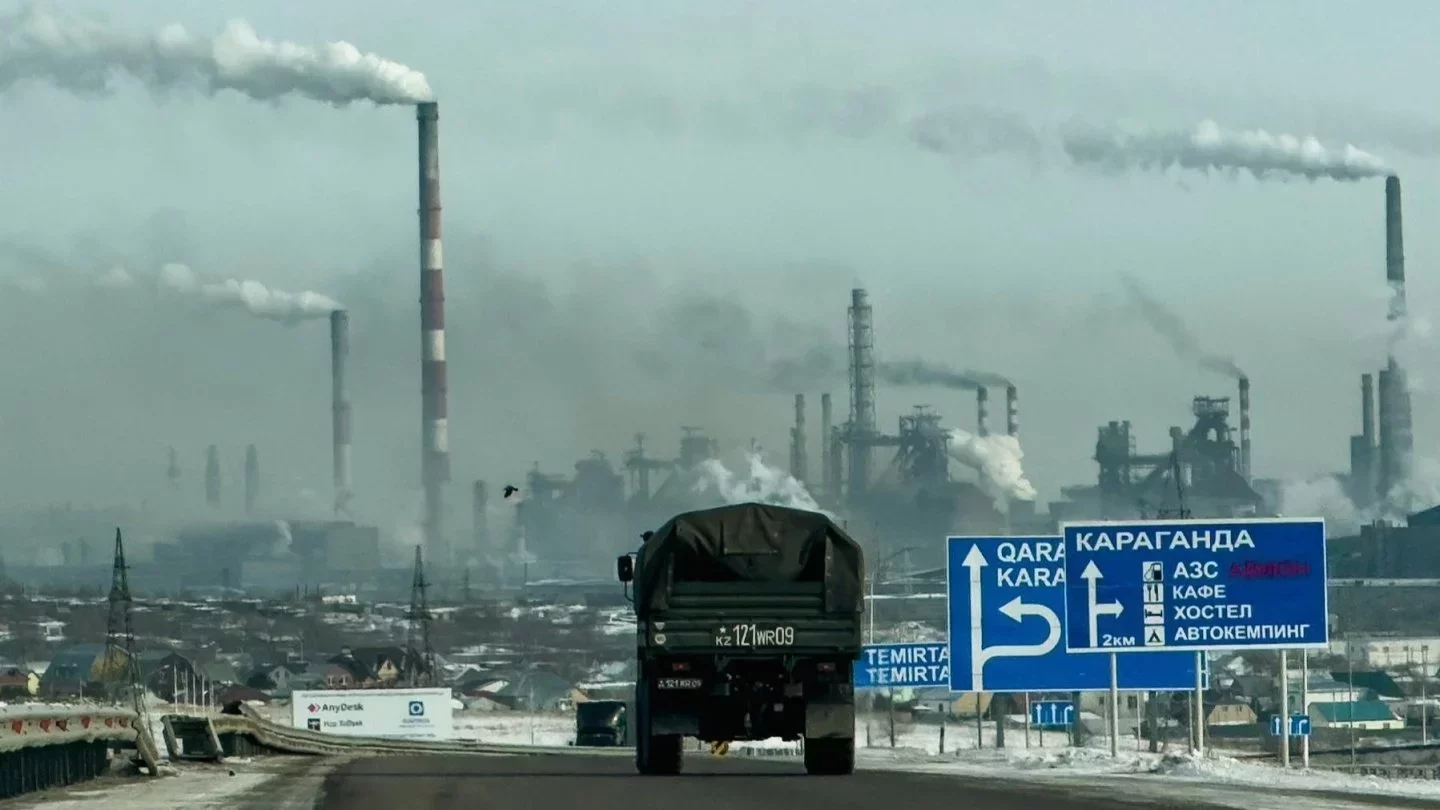 Photo: Orda.kz / Olga Ibrayeva
Chair of the Kazakhstan Electric Power Association, Talgat Temirkhanov, explained in an interview with Orda.kz why the deputies' initiative to raise emission rates could have negative consequences for the economy.
According to him, Kazakhstan’s energy sector is currently undergoing a major transformation. For many years, tariffs were kept artificially low, resulting in chronic underfunding of the industry and, ultimately, incidents in various cities.
The level of wear and tear on equipment at power plants and within the networks currently averages around 65–70%. To address this, the government has launched two large-scale programs: 'Tariff in exchange for investment' and the 'National project to modernize the energy and utility sectors, Temirkhanov noted.
As part of these programs, more than 13 trillion tenge are expected to be invested in infrastructure over the next five years. These funds are being provided to companies as loans, though on preferential terms — meaning they will still have to be repaid through higher tariffs for consumers.
“The only source of funding for energy companies is the tariff. The tariff increases we have seen over the past few years have mainly been directed toward boosting repair efforts and raising workers' salaries,” the association's chair emphasized.
Temirkhanov stated that new proposals from parliamentarians within the draft Tax Code suggest raising emission rates for all enterprises, including those in the energy sector.
However, according to him, such measures would not contribute to a real reduction in emissions.
The revenues from higher emission rates go into local budgets and simply get absorbed there. They don’t come back to the industry as investments in station modernization or environmental protection measures. We believe these initiatives will only add an extra burden on consumers without delivering any real impact at the source.
Given the current conditions, he believes the state should act differently: for example, by creating attractive conditions for the arrival of new enterprises, including energy-intensive industries, ensuring critical infrastructure needs are met, and maintaining affordable prices for electricity, heating, and water supply services.
"If we artificially create conditions for high utility tariffs, major investors simply won’t come to Kazakhstan. That means no new jobs and no increase in tax revenues. In our opinion, any tariff increases should be focused solely on reducing equipment wear and tear, increasing salaries, and expanding capacity," says Talgat Temirkhanov.
He also pointed out that effective efforts to reduce emissions require comprehensive solutions: the development of gasification, the construction of new capacities, and the introduction of renewable energy sources.
80 % of our power stations were built 50 years ago or even earlier. Without access to cheap, long-term financing, the energy sector simply cannot modernize quickly. Unlike mechanical engineering or agriculture, we don’t have preferential programs. We have to borrow at market rates, and currently, those rates are quite high. Raising emission rates in this situation would be like shooting ourselves in the foot.he stressed.
In addition, Temirkhanov highlighted the contradiction between the proposal to increase emission rates and the goals of the national project to modernize the energy and utilities sectors, which has already allocated 13 trillion tenge.
"When we raise tariffs as part of the national project, we know that the funds are used to reduce equipment depreciation and upgrade infrastructure. But when it comes to raising emission rates, it simply means collecting money from the population and businesses without bringing any real benefit to the industry,” he explained.
According to Talgat Temirkhanov, before implementing such significant changes, a thorough economic analysis must be conducted to assess the consequences fully.
We must honestly say what raising emission rates will lead to. In the short term, it will result in just one thing — about a 12% increase in final electricity and heating tariffs for consumers, which will hit the economy hard,Temirkhanov warned.
He emphasized that it is possible to modernize equipment and switch to gas without increasing emission rates, allowing for real emission reductions without placing an additional financial burden on enterprises.
“This can be done without raising the emission rate. In any case, we cannot avoid tariff increases because the costs of switching to gas or introducing new technologies will eventually be reflected in the tariffs. But why artificially inflate tariffs when they should only grow to address specific issues?” noted Talgat Temirkhanov.
He concluded by emphasizing that an increase in the emission tax would place excessive pressure on enterprises without solving the key problems facing the energy sector.
Introducing an artificially increased tariff by raising emission rates does not make sense. If we raise tariffs solely to cover higher emission costs in a regulated energy market, there is a real risk of cutting other essential items, as the sector will still compete for its share of the 'inflation pie.' This won’t bring any real results.
The expert emphasized that tariff hikes have a direct impact on inflation and consumer expenses, a factor that must be carefully considered when making decisions. He also highlighted the urgent personnel issues facing the energy industry, stressing that tariff increases should focus on boosting wage competitiveness.
"New jobs appear when wages are competitive. This is directly tied to attracting young specialists into the sector. We're facing a serious personnel shortage, and the solution isn’t to raise taxes — it's to raise wages. Better pay improves work quality and draws in fresh talent," the association's chair noted.
In conclusion, Talgat Temirkhanov urged the government to reconsider the proposed approach to raising the emission tax.
Let's direct tariff increases toward areas that will truly deliver benefits — raising salaries, repairing and modernizing equipment. That will be far more effective than simply raising taxes, which would only add an extra burden on consumers.
Original Author: Olga Ibrayeva
Latest news
- New Constitution Day And Parliamentary Elections: Tokayev’s Key Statements
- Nazarbayev Confirms Support For Tokayev And The New Constitution
- Xi Jinping And Tokayev Deepen Cooperation As Chinese Observers Monitor Referendum In Kazakhstan
- Kazakhstanis Abroad Complete Voting in Referendum
- Exit Polls Indicate Strong Support For Kazakhstan’s New Constitution
- Referendum In Kazakhstan: CEC Releases Preliminary Turnout Data
- Nauryz Celebrations In Almaty To Last Nearly 10 Days
- Kazakhstanis Were Fined for Online Polls on the New Constitution
- 217 New Schools Built In Kazakhstan Over Three Years
- Erbol Khamitov Brings Kazakhstan Gold At The 2026 Paralympics
- Why Are Kazakhstanis Leaving Southern Regions In Large Numbers?
- Tokayev Criticizes Banks For Delaying QR Payments
- Kazakhstan Launches New Preferential Loans For Livestock Breeders
- Rare New Guinea Monitor Lizards Arrive At Almaty Zoo
- Malaysian Automaker Proton Eyes Kazakhstan Production With Allur
- A Russian Teen Who Crossed Into Kazakhstan on Foot Wins Appeal Against Expulsion
- Regional Revenues, Global Instability, And The Referendum: What Tokayev Told Deputies
- Digitalization Of Customs Or New Barriers? What Entrepreneurs Fear In Kazakhstan’s New KEDEN System
- Astana Could Become An International Aviation Leasing Hub
- Kazakhstan’s First Tagged Eurasian Black Vulture Found Dead in India
