

Government Steps Up Oversight of Irrigation Water
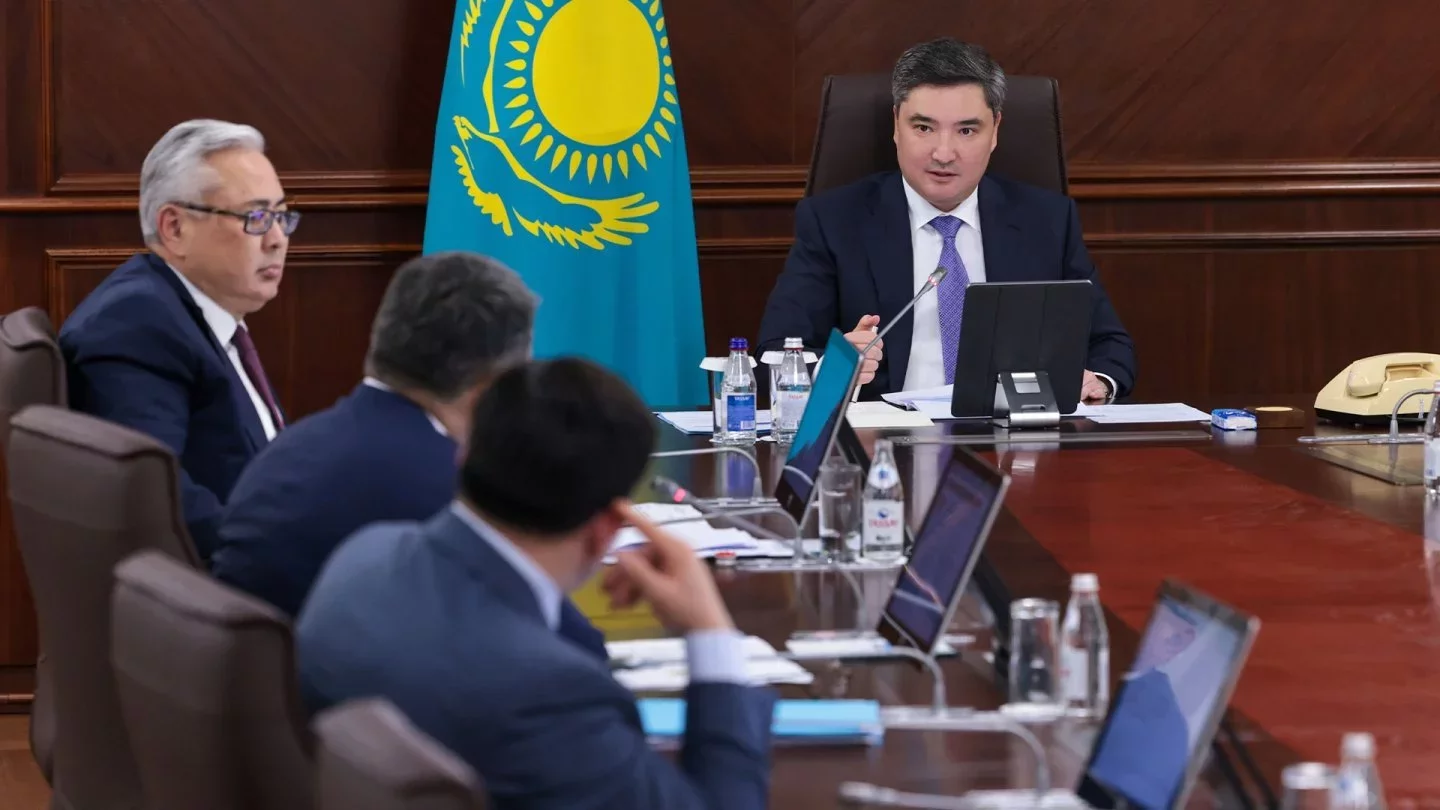 Photo: Photo: Press Service of RK Prime Minister
As the growing season intensifies, Kazakhstan's government is bolstering oversight over irrigation water distribution. Prime Minister Olzhas Bektenov has called on officials to manage risks proactively instead of waiting for crises to escalate, Orda.kz reports.
Bektenov chaired a meeting focused on ensuring sufficient irrigation water for farmers, with particular attention on the southern regions, which account for 97% of national water consumption.
River levels are falling, farmers report shortages, and the government points to illegal diversions and water theft.
According to the Ministry of Water Resources and Irrigation, 22,500 farmers have already been connected to water sources — 3,000 more than at the same time last year. Water distribution is being handled through branches of the Kazvodkhoz state enterprise.
The meeting addressed the situation on the Shu, Talas, and Syr Darya rivers, highlighting the importance of transparent water allocation in the face of scarcity. To support efficient usage, the government is offering differentiated subsidies, with greater support for those using water-saving technologies.


Bektenov instructed regional governors to establish local headquarters that include both officials and farmers. These groups will be responsible for monitoring adherence to irrigation schedules, promoting recycling technologies, and combating water theft.
“It is important to strengthen control over the illegal use of water and intensify efforts to identify violations,” the Prime Minister said.
The Ministry was tasked with tightening control over water limits, developing cooperation mechanisms with neighboring countries on transboundary rivers, and expanding digital monitoring using satellite data to identify and map shortage zones.
Deputy Prime Minister Kanat Bozumbayev will oversee its coordination.
Southern Kazakhstan has long struggled with systemic water shortages, forcing farmers to shift to less water-intensive crops and adopt conservation practices.
Original Author: Alina Pak
Latest news
- Kazakhstan Explains How Russians Who Fled Mobilization Can Be Deported
- Kazakhstan and Japan discuss hydrogen partnership with export potential
- Russia Thanks Tokayev for Initiative to Support Russian Language
- Almaty Could Restrict Cars Under Beijing-Style Anti-Smog Plan
- Tigers in Kazakhstan Are in No Rush to Breed
- What Changes Are Being Prepared Under the New Tax Code
- Alcohol and Tobacco Prices in Kazakhstan See Sharpest Monthly Rise in 15 Years — Analysts
- Middle East Conflict Will Not Lead to Higher Gasoline Prices in Kazakhstan — Minister
- Five Regions of Kazakhstan Face Higher Flood Risk This Spring
- Kazakhstan Ratifies Turkic States Civil Protection Deal
- Astana Enters Top 100 Safest Cities as Smart City Project Expands
- Almaty Cameras to Record New Driver Violations Starting March 12
- Kazakhstan Suspended 11 Polling Stations Abroad Due to Middle East Escalation
- Kazakhstan’s Foreign Ministry Comments on Disappearance of Citizen After South Korea Factory Fire
- ChatGPT Among AI Tools Recommended for School Lessons in Kazakhstan
- Missing Kazakh Woman Found in Vietnam Four Days Later
- Seven-Year-Old Kazakh Girl Returned From Georgia Following Six Months of Diplomatic Efforts
- Kazakhstan Plans to Rent 11 Helicopters for 22 Billion Tenge Ahead of the Fire Season
- Flights Delayed and Canceled at Astana Airport Due to Bad Weather
- More Than 8,500 Kazakhstanis Evacuated From the Middle East
