

Germany Weighs Nationalizing Rosneft’s German Assets; Schwedt Refinery May Be Sold to Kazakhstan Investor
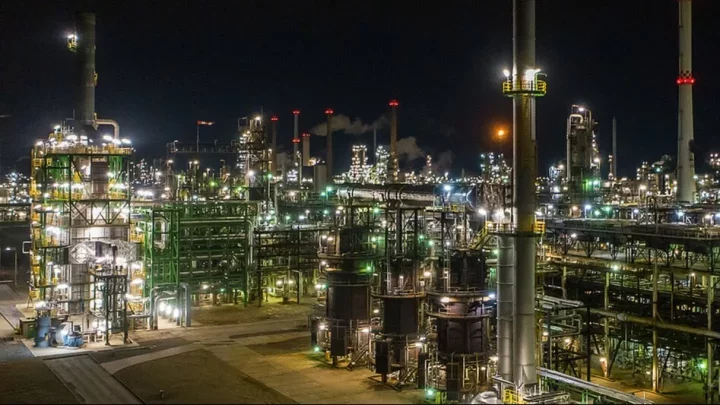 Photo: Pck.de
German authorities are reportedly considering nationalizing Rosneft’s German subsidiaries, including the PCK Schwedt refinery, which processes Kazakh crude and supplies fuel to Berlin, Orda.kz reports.
According to Reuters, the discussion gained momentum after the United States imposed new sanctions on Rosneft. Although the U.S. Treasury Department granted the company’s German division a temporary exemption until April 2026, Berlin is seeking a permanent resolution.
Officials are exploring several options — among them, placing Rosneft’s assets under state ownership before selling them to a foreign investor, potentially from Kazakhstan.
Rosneft’s main German asset, the Schwedt refinery, provides most of Berlin’s fuel and supplies petroleum products to eastern Germany as well as feedstock for the chemical industry. The Russian company also holds stakes in two additional refineries.
After Russia invaded Ukraine, these operations were placed under trusteeship, renewed every six months. Together, the assets are valued at around $7 billion. Negotiations to sell them have been ongoing since March 2024, without success.
The Schwedt refinery has close ties to Kazakhstan, receiving oil shipments from the Karachaganak, Tengiz, and Kashagan fields. Crude is transported via Transneft’s pipeline system through Russia and Belarus.
Exports of Kazakh oil to Schwedt continue to increase — 1.5 million tons were delivered in the first nine months of 2025, and supplies are expected to rise to 130,000 tons per month in 2026, following an agreement signed between KazMunayGas General Director Askhat Khassenov and Rosneft Deutschland GmbH CEO Johannes Bremer.
Under German law, the government can nationalize the Schwedt refinery in emergencies. So far, Berlin has avoided the move, wary of potential retaliation from Moscow, which has repeatedly warned European nations against seizing Russian assets:
This is a systemically important issue for Germany. The government must nationalize Rosneft’s business in Germany to ensure the country’s future,
said Michael Kellner, Bundestag member representing the Greens.
Kellner added that investors from Kazakhstan and Qatar had shown interest in Rosneft’s German assets as early as 2024, meaning that Kazakhstani companies could eventually take over the refinery if Berlin proceeds with nationalization.
Earlier, Orda.kz reported that Lukoil had decided to sell its foreign holdings amid pressure from international sanctions.
Original Author: Nikita Drobny
Latest news
- Orda.kz Editorial Team to Cease Operations on September 1
- The Price of a Degree: How Students in Kazakhstan Pay for University
- Second Przewalski’s Horse Foal Born as Species Returns to Kazakhstan
- Kazakh Mining Companies Can Recalculate Purchases if Tenge Weakens
- Kazakhstan Names First Vice President in Three Decades
- What Almaty’s Bus Shelters Are Missing
- 400-Truck Queue Builds at Kazakh–Kyrgyz Border
- Kazakhstan Ready to Help Feed and Rebuild Gaza
- Tokayev Establishes New Presidential Security Body
- Almaty Takes Back Its Nearly Century-Old Hippodrome
- No More Guesswork on Savings: Kazakhstan Tightens Energy Audits for Businesses
- Public Money Could Be Used to Rescue Failing Kazakh Banks
- Third Kazakh Woman Reported Missing in Nepal-China Flood Zone
- Falconer Convicted Over 35 Protected Birds, Spared Punishment Under Amnesty
- Kazakh Citizen Detained in Yakutia in Phone Fraud Case
- Yuan Instead of Dollars? KazMunayGas Draws Record Demand in Asia
- China Gains Oil-Market Influence as OPEC+ Weakens
- Kazakhstan to Divide Smartphones Into White, Gray and Black Lists
- Kazakhstan’s Government Formally Resigns as First Kurultai Session Opens
- Rare Lynx Sighting Recorded in Northern Kazakhstan
