

Germany Weighs Nationalizing Rosneft’s German Assets; Schwedt Refinery May Be Sold to Kazakhstan Investor
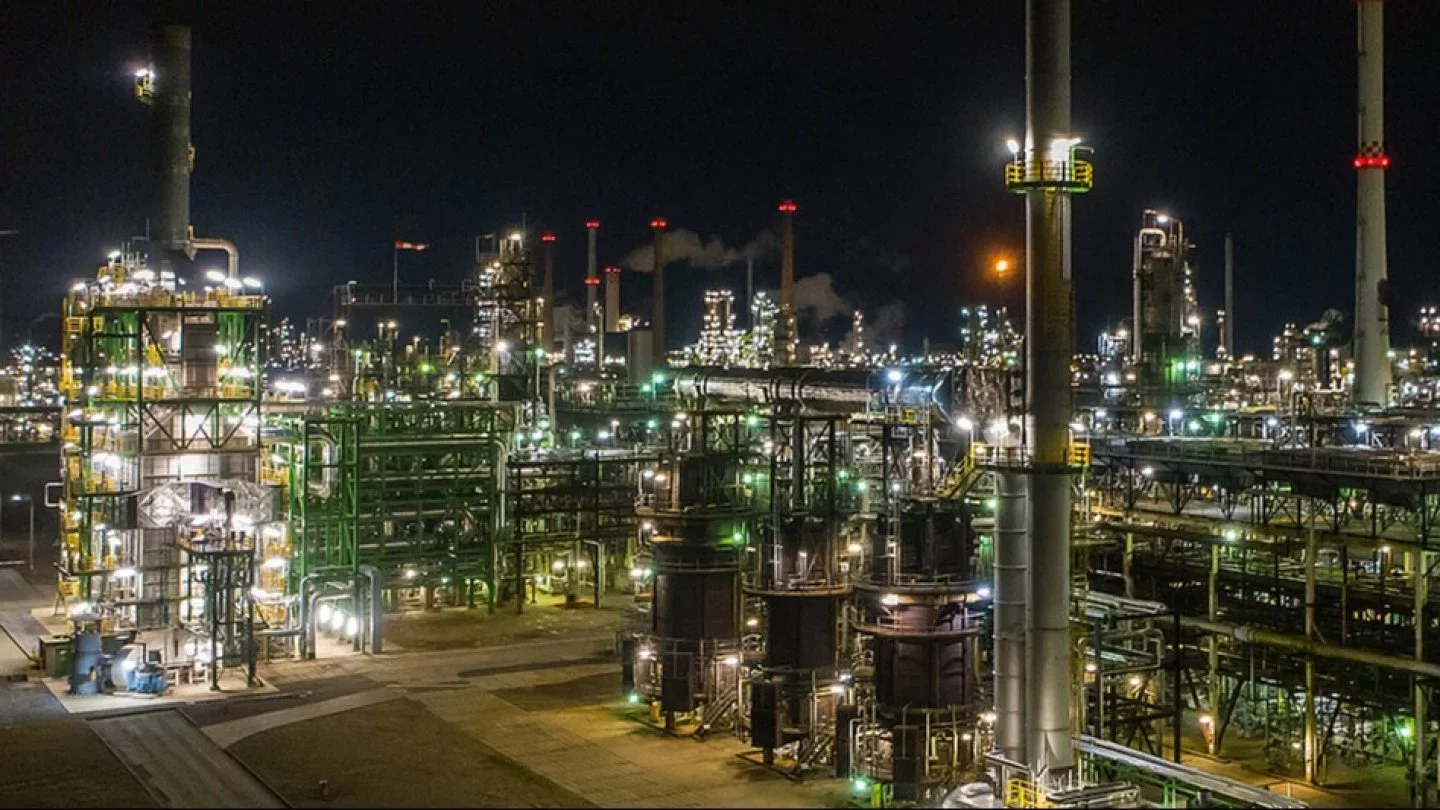 Photo: Pck.de
German authorities are reportedly considering nationalizing Rosneft’s German subsidiaries, including the PCK Schwedt refinery, which processes Kazakh crude and supplies fuel to Berlin, Orda.kz reports.
According to Reuters, the discussion gained momentum after the United States imposed new sanctions on Rosneft. Although the U.S. Treasury Department granted the company’s German division a temporary exemption until April 2026, Berlin is seeking a permanent resolution.
Officials are exploring several options — among them, placing Rosneft’s assets under state ownership before selling them to a foreign investor, potentially from Kazakhstan.
Rosneft’s main German asset, the Schwedt refinery, provides most of Berlin’s fuel and supplies petroleum products to eastern Germany as well as feedstock for the chemical industry. The Russian company also holds stakes in two additional refineries.
After Russia invaded Ukraine, these operations were placed under trusteeship, renewed every six months. Together, the assets are valued at around $7 billion. Negotiations to sell them have been ongoing since March 2024, without success.
The Schwedt refinery has close ties to Kazakhstan, receiving oil shipments from the Karachaganak, Tengiz, and Kashagan fields. Crude is transported via Transneft’s pipeline system through Russia and Belarus.
Exports of Kazakh oil to Schwedt continue to increase — 1.5 million tons were delivered in the first nine months of 2025, and supplies are expected to rise to 130,000 tons per month in 2026, following an agreement signed between KazMunayGas General Director Askhat Khassenov and Rosneft Deutschland GmbH CEO Johannes Bremer.
Under German law, the government can nationalize the Schwedt refinery in emergencies. So far, Berlin has avoided the move, wary of potential retaliation from Moscow, which has repeatedly warned European nations against seizing Russian assets:
This is a systemically important issue for Germany. The government must nationalize Rosneft’s business in Germany to ensure the country’s future,
said Michael Kellner, Bundestag member representing the Greens.
Kellner added that investors from Kazakhstan and Qatar had shown interest in Rosneft’s German assets as early as 2024, meaning that Kazakhstani companies could eventually take over the refinery if Berlin proceeds with nationalization.
Earlier, Orda.kz reported that Lukoil had decided to sell its foreign holdings amid pressure from international sanctions.
Original Author: Nikita Drobny
Latest news
- Kazakhstanis Expect Higher Inflation but Remain Optimistic About the Future
- Support For Rural Doctors Doubles Amid Staffing Shortage
- South Korean Shareholder To Inject 4.7 Billion Tenge Into Kazakhstan’s Only Loss-Making Bank
- Tokayev Finishes Uzbekistan Trip With Focus on Trade and Environmental Cooperation
- Kashagan Operator Accused Of Stalling Sulfur Fine Pending Washington Arbitration
- Copper And Molybdenum Project Set To Launch In Abay Region
- Deputies Raise Alarm Over Chaos in Construction Licensing and Oversight
- Kazakhstan’s Tobacco Output Surges as Smoking Rate Holds Steady
- EAEU Waives Import Duties on Several Vegetables for Kazakhstan
- SpaceX Direct-to-Cell Service Still Awaiting Commercial Launch in Kazakhstan
- Kazakhstan To Require Near Real-Time Emissions Reporting From Enterprises
- Tokayev Says Elections to Kazakhstan’s New Parliament Will Be Held in August
- System Outage Leaves Foreigners Without IIN and Residence Permit Services in Kazakhstan
- Sowing 2026: What Kazakhstan Will Plant and How It Will Pay for It
- What Higher Foreign Labor Hiring Rates Could Mean for Kazakhstan
- First Soyuz-5 Launch From Baiterek Expected Soon
- Gas Went Up Despite A Tariff Freeze In Southern Kazakhstan
- Kazakhstan Expands Military Spending With A Focus On UAVs
- Who Is Now Protecting Investors In Kazakhstan
- No One Was Punished For LGBT Propaganda In Kazakhstan — Ministry Of Culture
