

Baikonur Open for Startups from Germany, India, and China
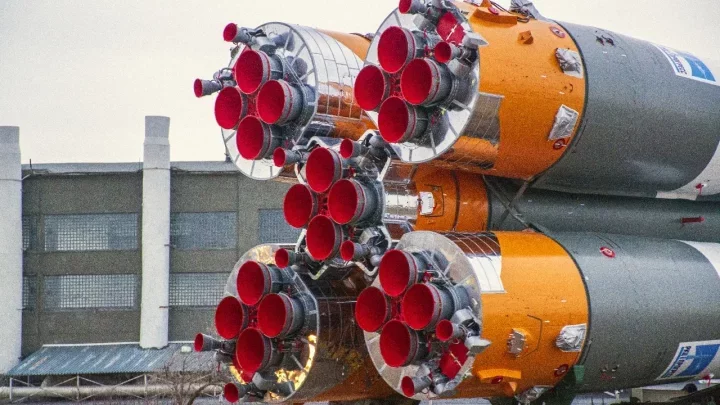 Photo: Orda.kz / Kamila Ermakhanova.
Russia may relocate production of the Soyuz-5 launch vehicle to Kazakhstan’s Baikonur Cosmodrome, according to a government response from Prime Minister Olzhas Bektenov, Orda.kz reports.
The reply came as part of a parliamentary inquiry and also reaffirmed that the first launch from the new Baiterek complex is scheduled for December 2025.
Bektenov confirmed that both the rocket and related infrastructure are “being prepared according to schedule.”
The Prime Minister also reiterated plans to create a special economic zone on parts of Baikonur no longer leased to Russia. Covering 1,747 square kilometers, the zone would support Kazakh and foreign space startups.
The project remains under development but is already being considered as “the first step toward opening Baikonur to international companies” outside the scope of Kazakhstan’s 1994 lease agreement with Russia.
Talks with Germany, India, China
In the first half of 2025, Kazakh authorities met with representatives from Slovenia, Bulgaria, and Germany, as well as EU Commissioner Josef Sikela. In April, officials held talks in Germany with OHB System AG and Rocket Factory Augsburg AG on launch services and rocket technologies.
Kazakhstan’s national space company, JSC NCKIT, which reports to the Ministry of Digital Development, is also in talks with Indian startup Sky Root, China’s Deep Blue Aerospace, and Germany’s Himpulse.
Discussions cover possible tests and launches of ultra-light and light-class rockets, including from new sites outside of Russian lease territory.
Chinese Investment
On June 16, Kazakhstan and China signed a new cooperation agreement for joint projects in the space sector. The deal includes plans to build research facilities, satellite data processing centers, and provide specialist training.
Most of the details remain undisclosed while approval is underway.
Beijing had earlier confirmed it would provide Kazakhstan with a grant of 100 million yuan to support the space industry — a pledge made during President Xi Jinping’s 2024 visit to Astana. The funding will go toward developing infrastructure for computational astronomy and astrophysical modeling.
Original Author: Kamila Ermakhanova
Latest news
- Orda.kz Editorial Team to Cease Operations on September 1
- The Price of a Degree: How Students in Kazakhstan Pay for University
- Second Przewalski’s Horse Foal Born as Species Returns to Kazakhstan
- Kazakh Mining Companies Can Recalculate Purchases if Tenge Weakens
- Kazakhstan Names First Vice President in Three Decades
- What Almaty’s Bus Shelters Are Missing
- 400-Truck Queue Builds at Kazakh–Kyrgyz Border
- Kazakhstan Ready to Help Feed and Rebuild Gaza
- Tokayev Establishes New Presidential Security Body
- Almaty Takes Back Its Nearly Century-Old Hippodrome
- No More Guesswork on Savings: Kazakhstan Tightens Energy Audits for Businesses
- Public Money Could Be Used to Rescue Failing Kazakh Banks
- Third Kazakh Woman Reported Missing in Nepal-China Flood Zone
- Falconer Convicted Over 35 Protected Birds, Spared Punishment Under Amnesty
- Kazakh Citizen Detained in Yakutia in Phone Fraud Case
- Yuan Instead of Dollars? KazMunayGas Draws Record Demand in Asia
- China Gains Oil-Market Influence as OPEC+ Weakens
- Kazakhstan to Divide Smartphones Into White, Gray and Black Lists
- Kazakhstan’s Government Formally Resigns as First Kurultai Session Opens
- Rare Lynx Sighting Recorded in Northern Kazakhstan
