

Astana: How Do The Homeless Get By?
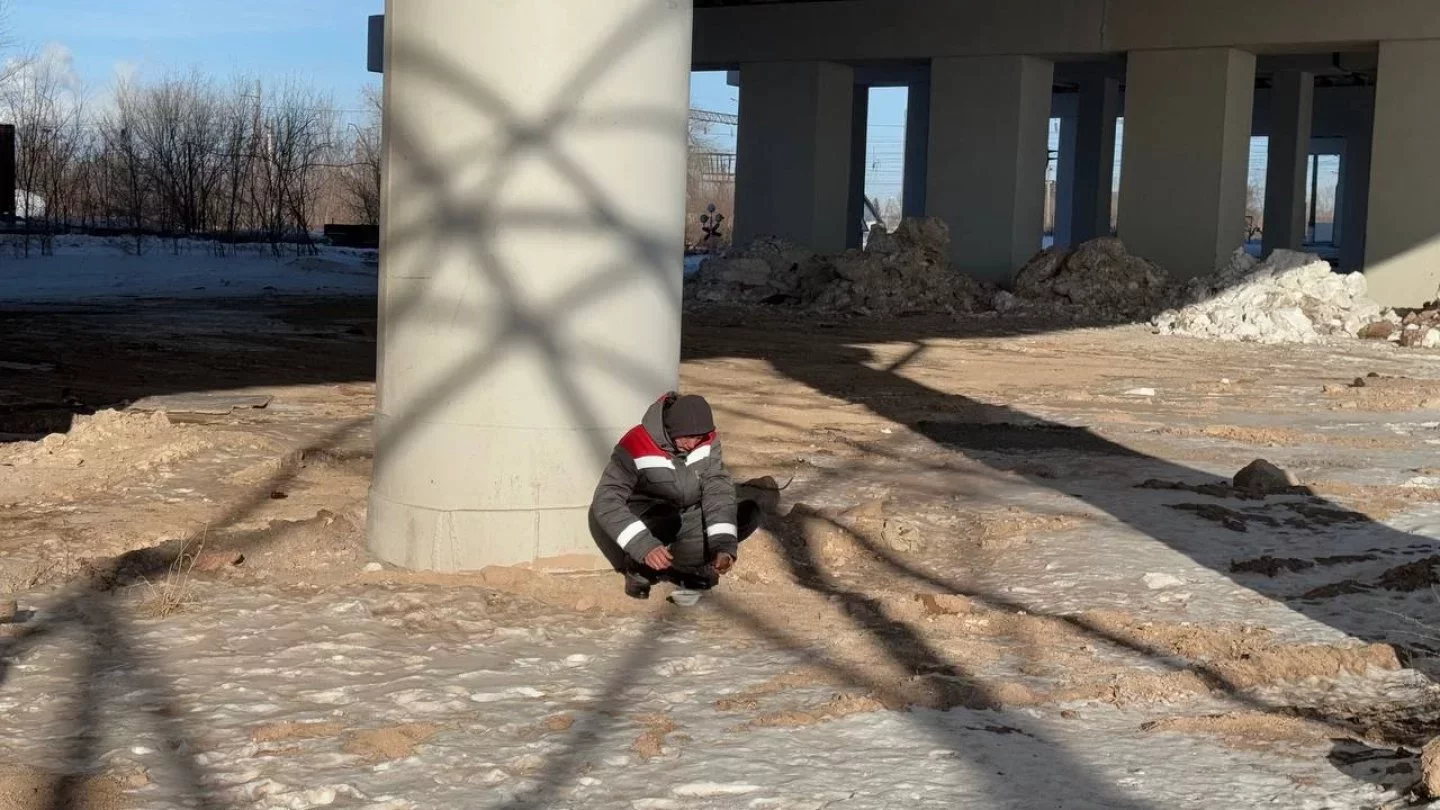
In the capital, particularly in its "showcase" areas, encountering a homeless person is nearly impossible. It's almost as if they don't exist, and many Astana residents share this perception. But it’s just an illusion.
Many remember the story before EXPO-2017 when the homeless people suddenly vanished from the streets overnight. Rumors spread that they were removed from public view to maintain the city's image.
While this raised many questions, the police at the time denied these claims, saying that around 200 homeless people were taken to an adaptation center.
Since then, it’s become rare for Astana residents to see homeless people on the streets.
An Orda.kz correspondent set out to investigate.
The Holidays
We headed to the "Vstrechi" area on the right bank — one of Astana’s oldest shopping malls where homeless people are more likely to be.
However, it was surprisingly difficult to find anyone after the New Year holidays. A local vendor working in one of the stalls explained the reason.
They get ‘cleared out’ before the holidays. For example, before New Year, they all disappear and later start showing up again. Men, women… most of them drink. They ask for bread, but they go straight for vodka if you give them money, said the vendor worker, who asked to remain anonymous.
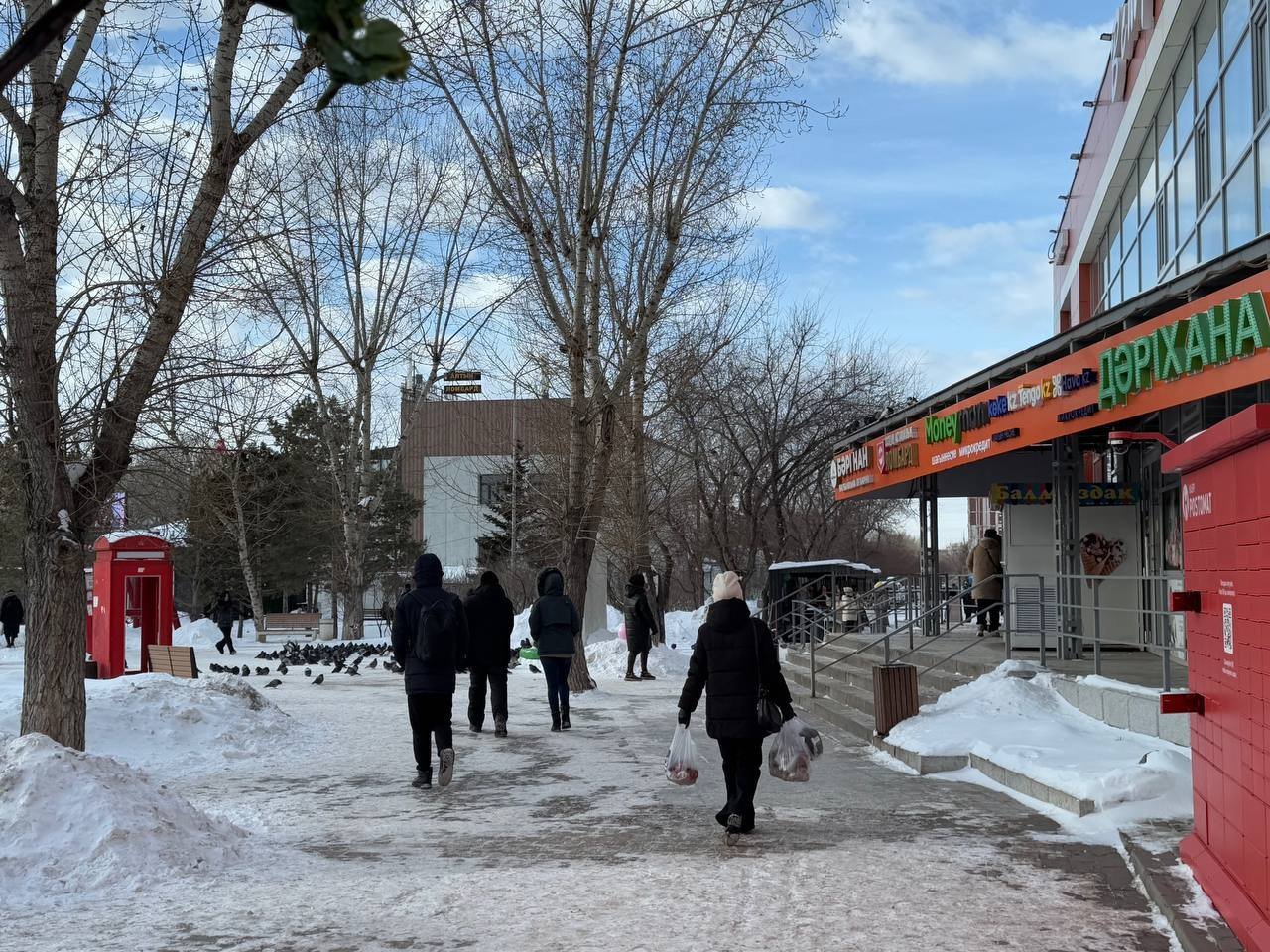
He claims police officers sometimes take away the homeless, but this does not keep them for long:
Sometimes, they lie here. You tell the police, ‘Lock them up for 15 days—let them sober up and think.’ But they say, ‘Where would we even take them? They already have too many fines,' he says.
That day, we met only one homeless person, who just bitterly said:
I lost my father. I lost my son. That's why I'm here.
A Warm Place to Stay
A week later, as the local vendor worker advised, the Orda.kz correspondent went to the same spot. He spotted two homeless people at a warm bus stop and a man sleeping beside them.
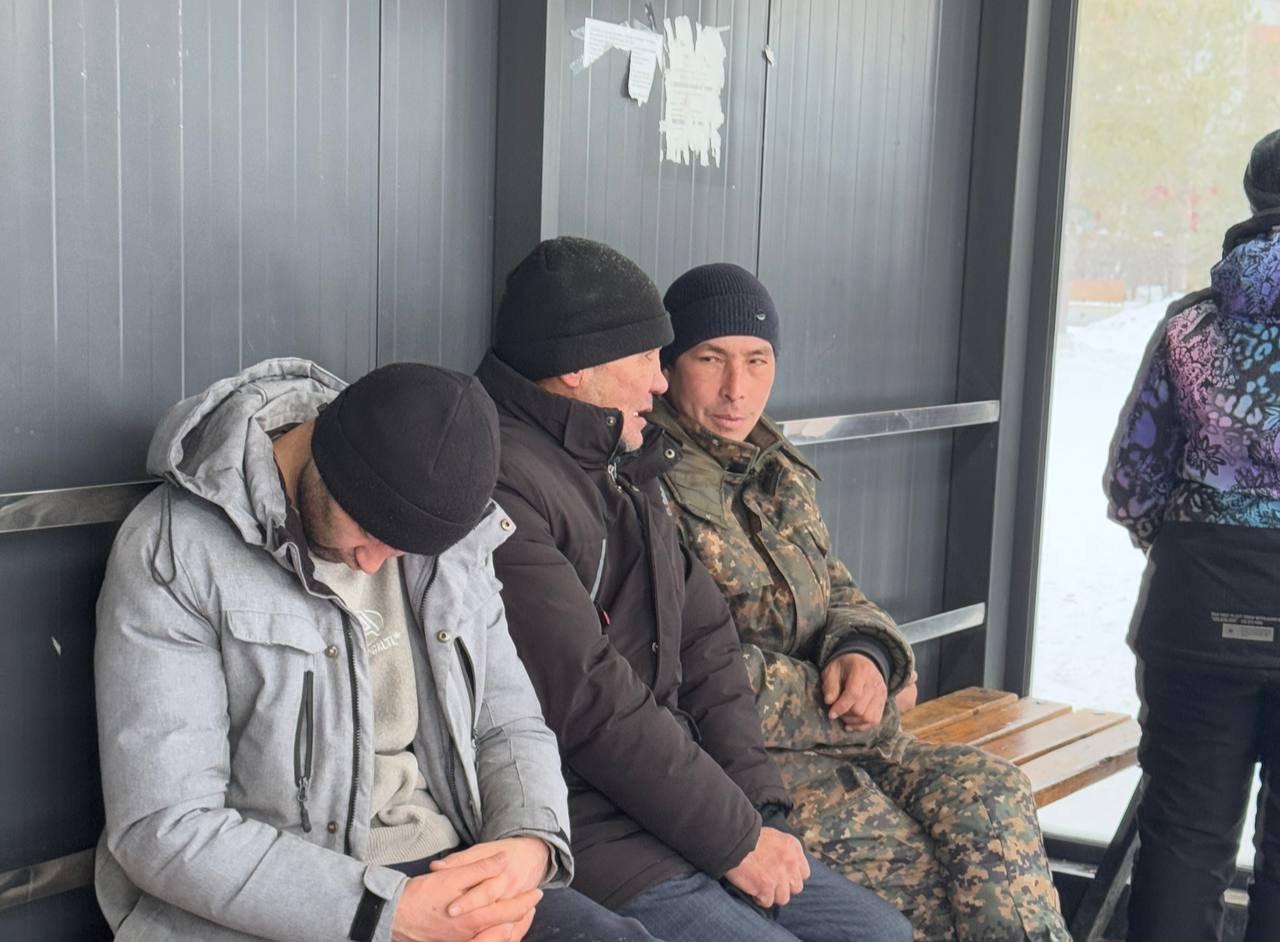
The two men had only known each other for a few days. They agreed to share their stories in exchange for some "help."
Zhanat, 55, used to work as a machine operator and later at construction sites. He claims he was often cheated out of his wages. Divorced with grown-up children, he says financial troubles caused a rift in his family, ultimately leading to his current situation.
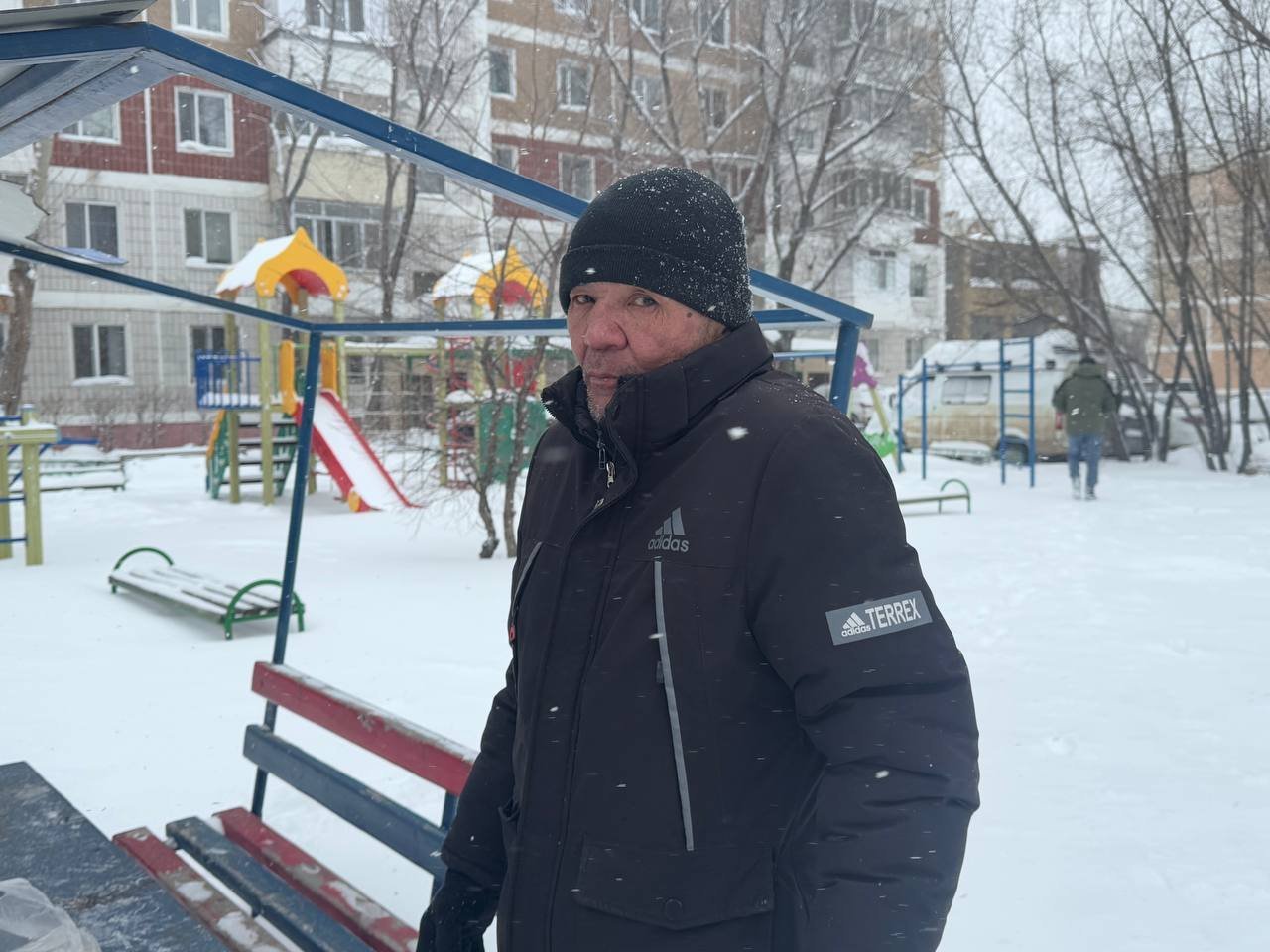
Sometimes they'd pay, sometimes they didn’t. It was not enough to live on. I couldn’t pay off my loans, Zhanat explains.
His companion, Nurken, 40, also has children from a failed marriage and came to the capital from Shymkent last summer.
Like Zhanat, he says he was the "victim" of a construction site. With no money or housing, he ended up on the streets:
I drink, I can’t quit, can't get enough, the man admits.
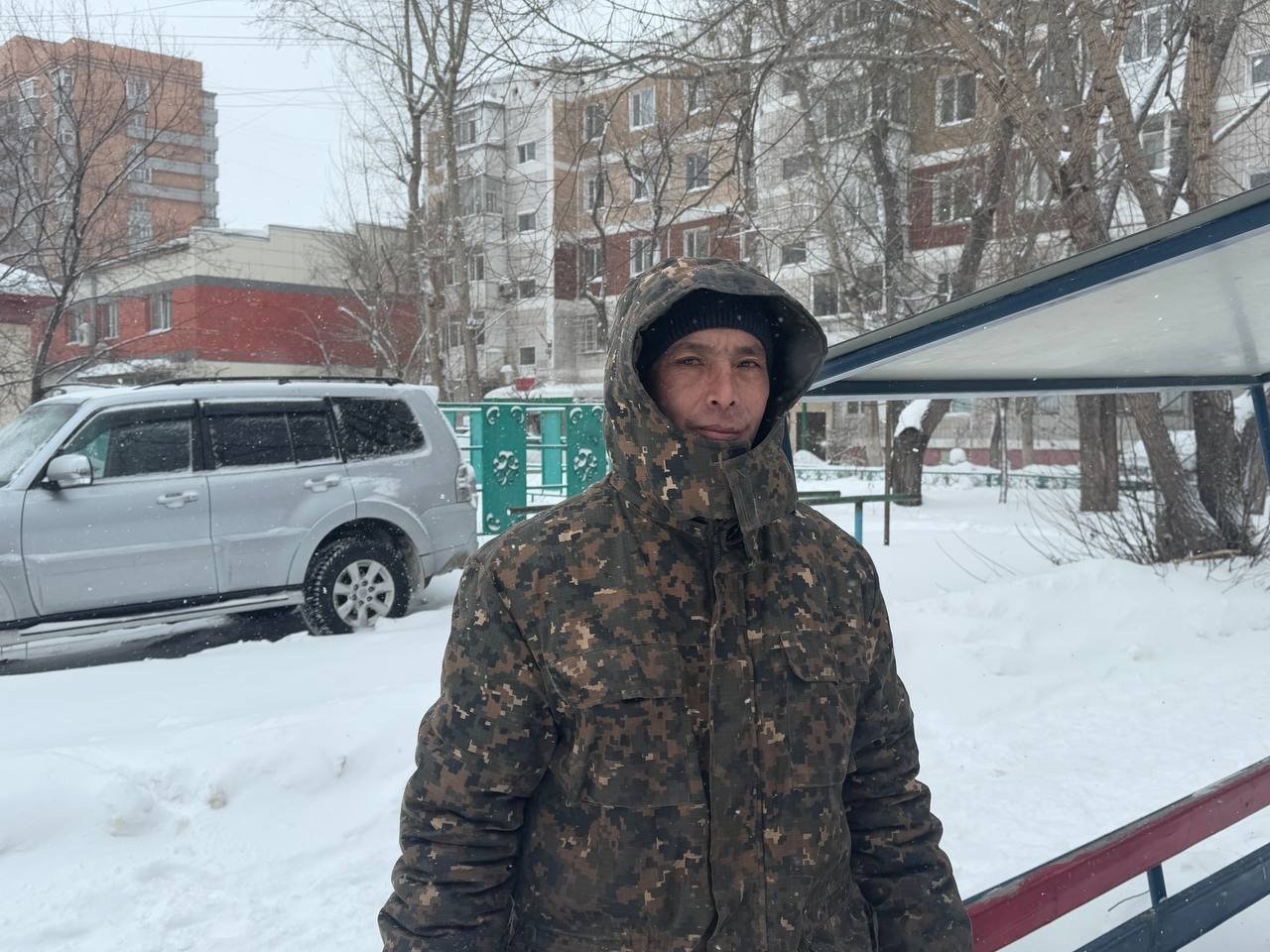
Both claim that the police take homeless people away from where they find them.
The cops took me out of town the day before yesterday. I ended up walking all the way back. They dropped me off at Shanghai (a local market – Ed.). Sometimes, they lock me up in the station for drinking, but honestly, I don’t mind — it’s warm there, Nurken said.
Zhanat said that the police have a habit of not returning personal belongings.
They take you to the police station and take everything — cigarettes, wallets. They give documents back, but not the personal belongings, Zhanat claims.
Both men have families they could turn to for help, but neither wants to.
Zhanat has adult children, while Nurken has parents and relatives in Shymkent.
My parents ask me to come back to Shymkent, spend the night at home. But I don’t want that. It’s better and easier for me this way, Nurken says.
The children have their own lives and their own families... Zhanat explains.
Summits-Mammites
The "Vstrechi" area is not the only place homeless people can be found. The well-known "Artem" market and the "Tulpar" shopping center are just a short distance away.
Not far from there, right under the "humpbacked" bridge, a group of volunteers has taken the initiative to feed those in need twice a week. An Orda.kz correspondent attended this charity event.
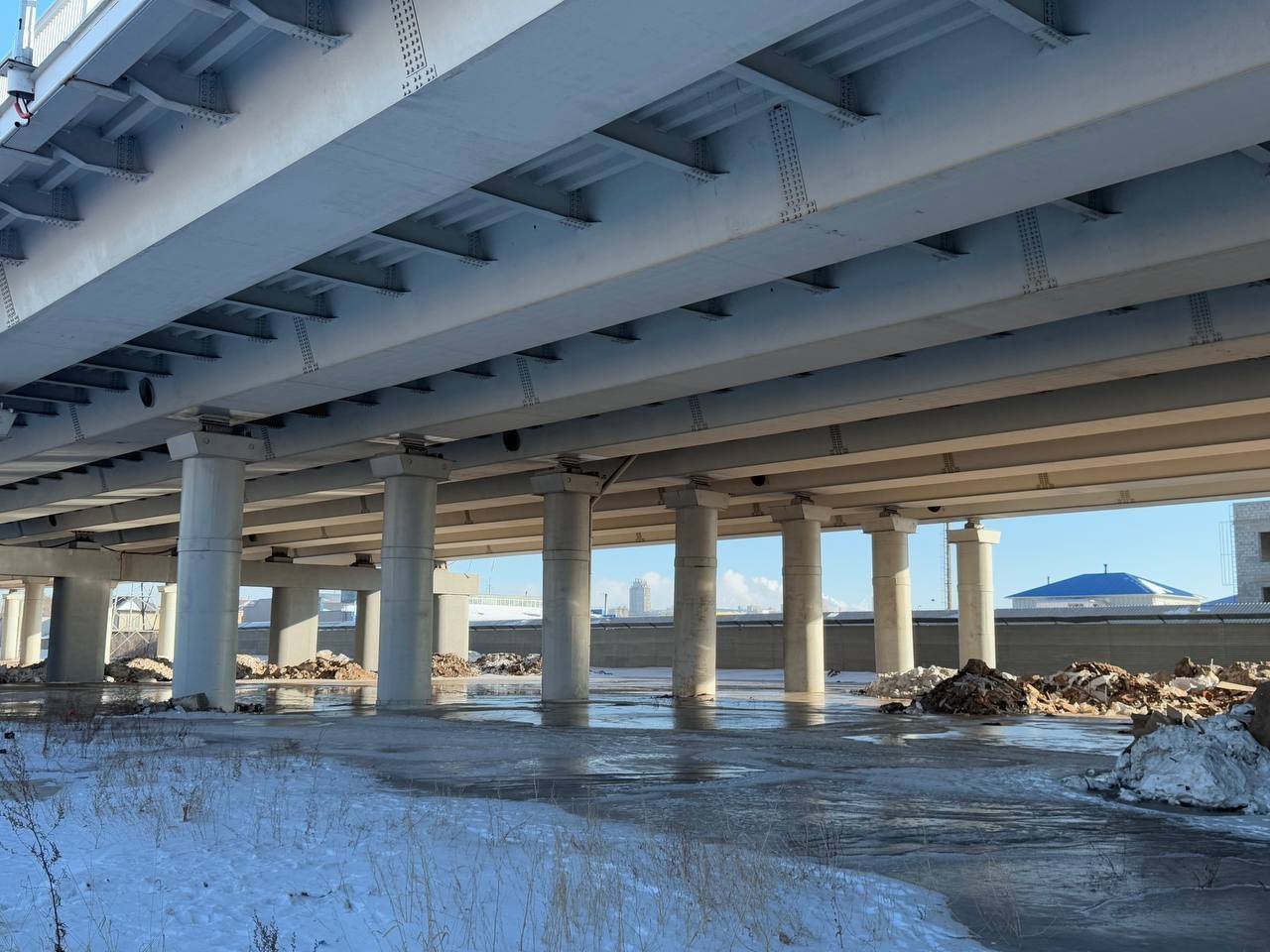
At 11:00, people gathered under the bridge, waiting for a yellow car with hot food and tea.
One of those waiting is 39-year-old Alimzhan, who served a sentence for robbery a year ago.
Originally from Shymkent, he had come to the capital looking for a better life, but it didn't work out.
I got out a year ago and wanted to find a job, but I couldn’t. I’m willing to do any job if it means I can have a decent place to live. Right now, I’m living on the street. I sleep at the bus stop or in abandoned buildings. It’s been a year already. I don’t have anyone left in Shymkent; all my relatives are gone, says Alimzhan.
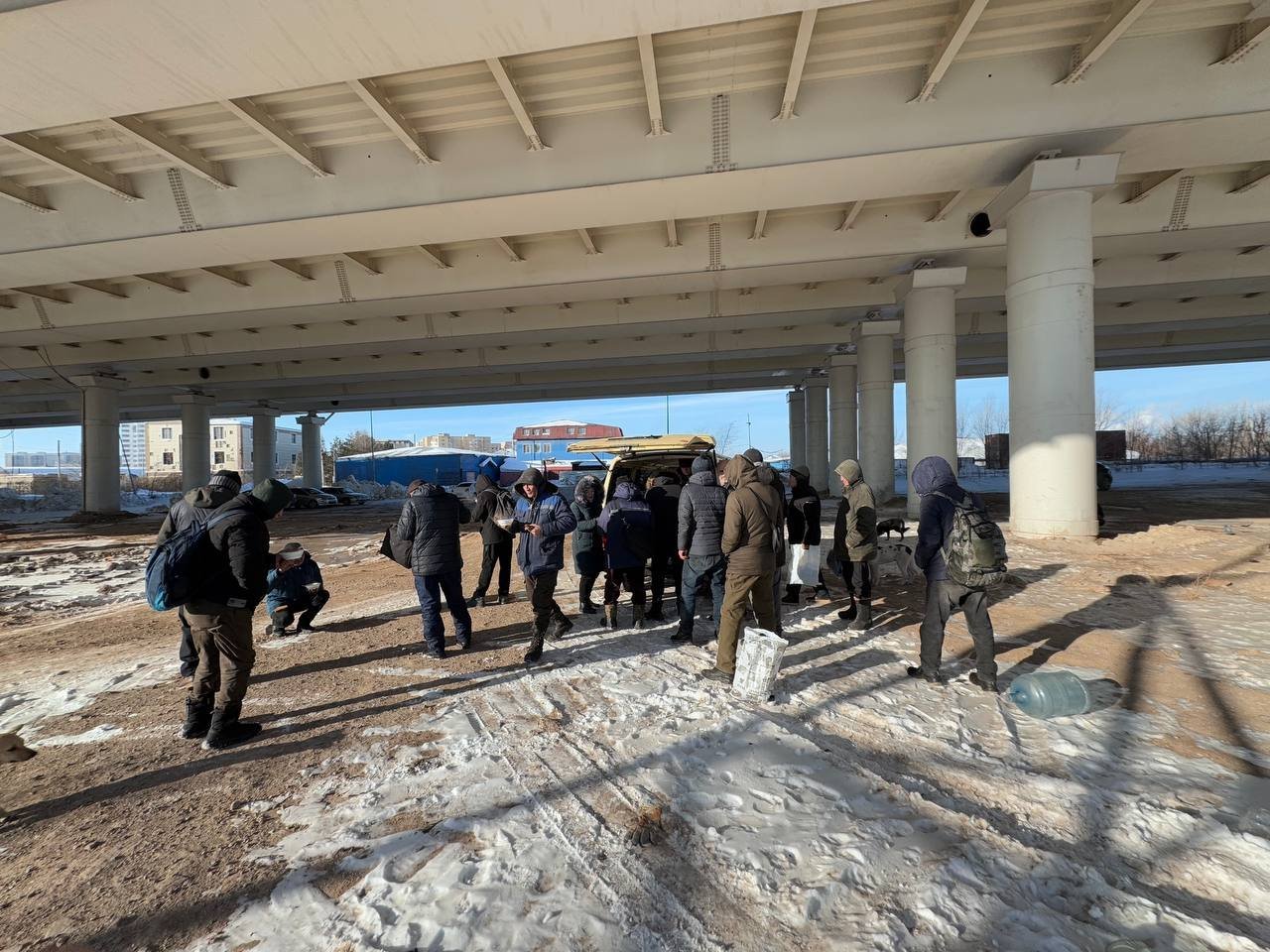
He also claims that he was taken out of town by the police.
They took me to Qaraganda once. Once to Astrakhanka. There were some summits-mammites, holidays. They took me away, and I walked back. I said I didn't want to leave. They took me away anyway, and that's it. I don't have a phone. The cops took my documents and won't give them back. They are at the police station nearby. They said: 'Bring two thousand tenge, then you'll get it back,' he says.
Alimzhan also hides nothing:
I honestly admit that I drink. I want to quit, but, as they say... When I think about life, my head hurts...
A Familiar Rock Bottom
Ruslan Abdrakhmanov is the person behind this charity meal. A retired truck driver firmly believes that there should always be a place for compassion.
We’ve been helping for 18 years now. It’s not just about feeding people; sometimes we help those who have missed their trains or have faced even worse situations, like this one fellow who was in slavery for 19 years. He had no documents, so we helped him to return to Belarus. We move from place to place. Right now, we serve food at Technopark and here. We were moved because people come, swear, curse, spit, and not everyone likes it. That is why we chose a place where we will not bother anyone. Some live on the street, some are unemployed and struggling to make ends meet. They come here to pick up food to take home to their families. says Ruslan Abdrakhmanov.
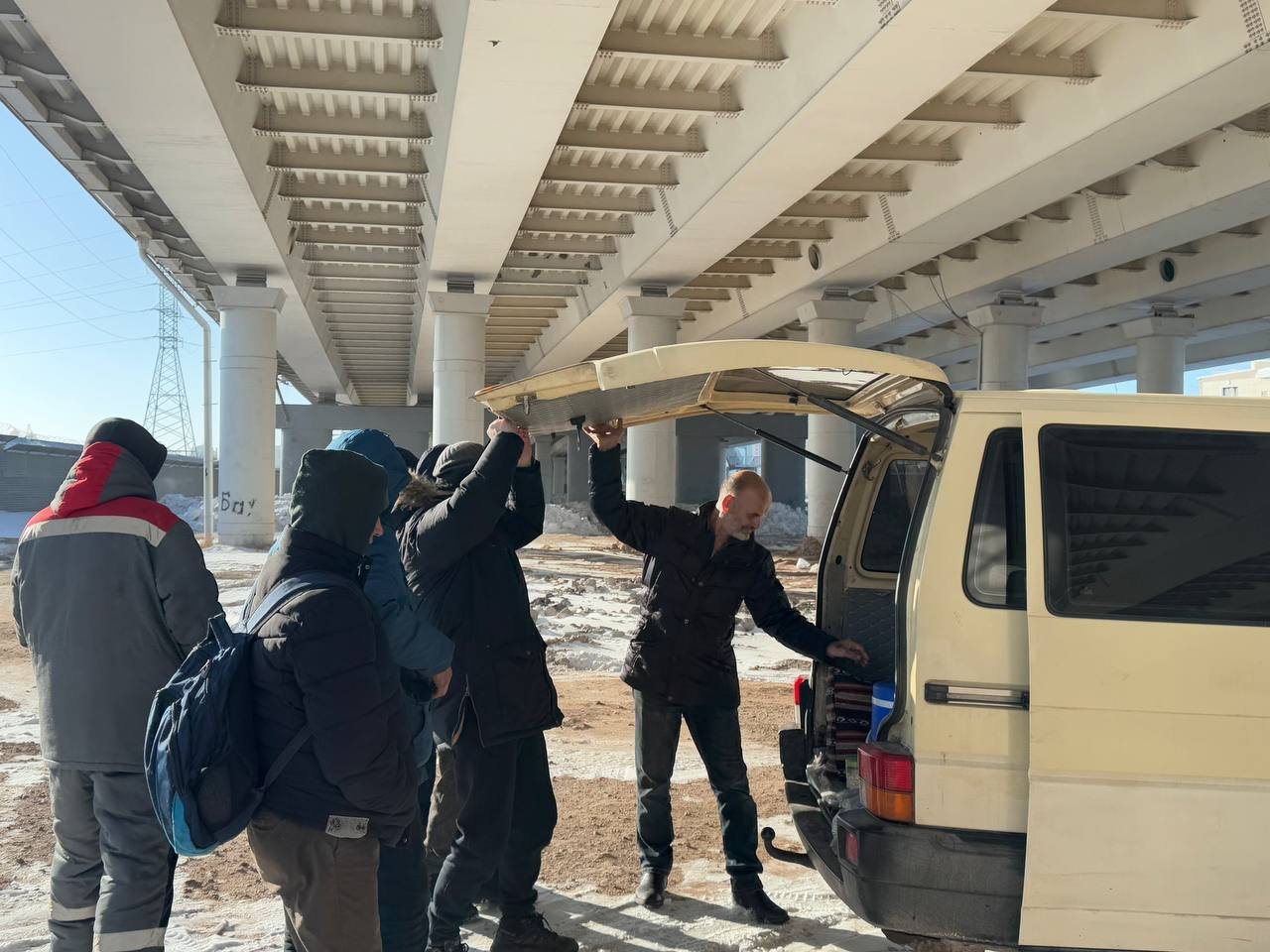
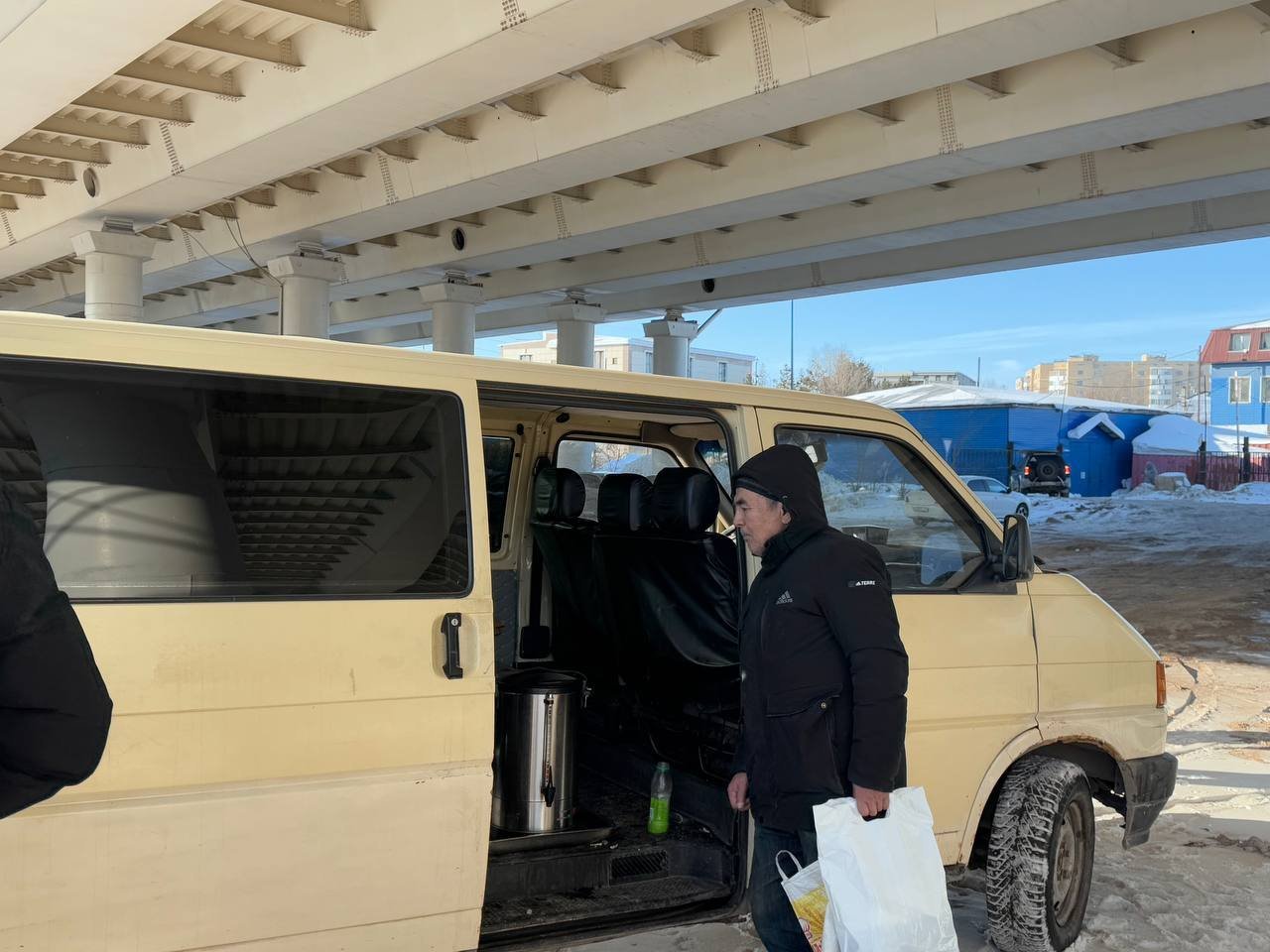
Ruslan and his team serve hot meals that include a first course, a second course, tea, bauyrsaqs, and cookies.
Each outreach costs about 30,000 tenge, and on average, they feed 50 to 60 people each week, though there have been times when that number has been even higher.
Ruslan and his associates also provide hygiene products like razors, soap, and clothing.
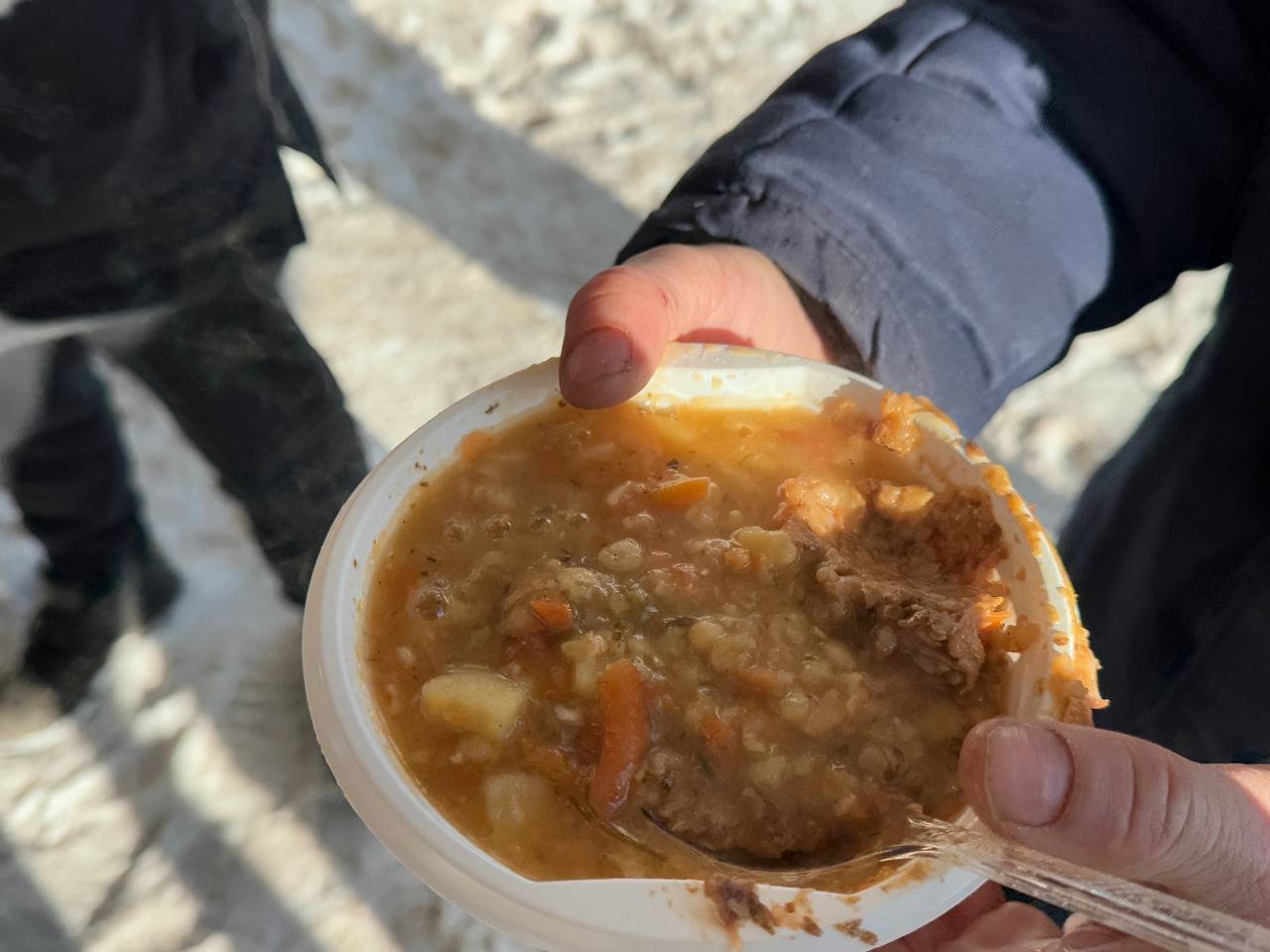
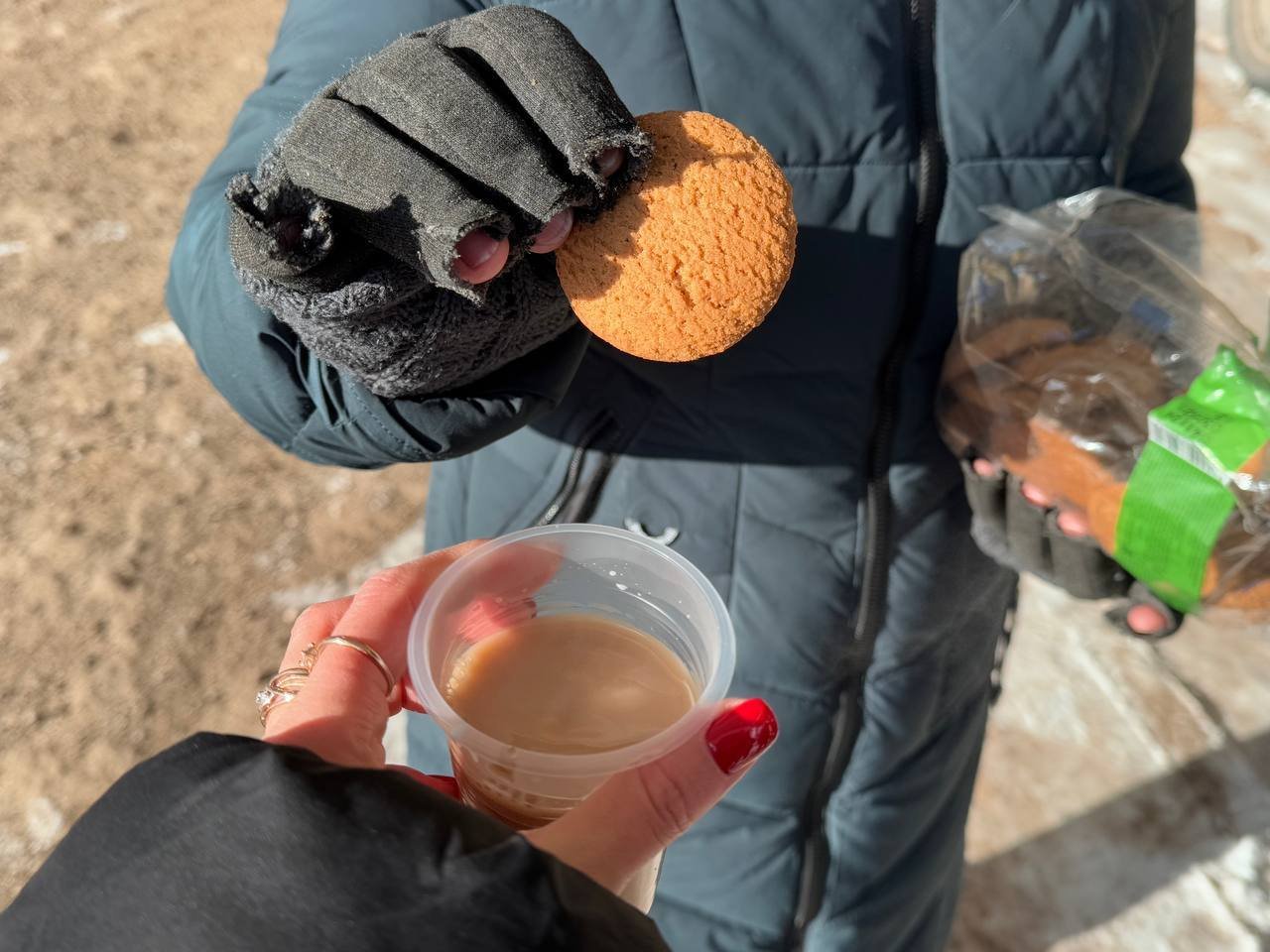
It’s absurd to think that we don’t have homeless people — every country has them. It could happen to anyone, including me or you. It’s not always the drinking issue. Take the story of a guy from Alekseyevka, for example. His house burned down, and just like that — no money, no work. Finding a job here can be tough, so he ended up on the streets. Here with everyone... He needs to drink to warm up. It’s a slippery slope, and people get used to it quickly. And that's it, that's how a person sinks... Ruslan Abdrakhmanov says.
Ruslan Abdrakhmanov also believes some choose such a life.
He told a story: In the early 2000s, a young guy from Pavlodar came to Astana to build the Moscow residential complex. He earned $1,000 in the first month, but then he was robbed and lost both his money and his documents.
He was embarrassed to return home to his wife and children in such a state.
And so he stayed with them (the homeless - Ed.), he didn't even have to work. He just got used to this life. Eventually, he met a woman whose mother owned a café in Osakarovka. She offered them a place to stay, a separate house, but after just a week and a half, they snuck out the window and came back to the streets. They had grown accustomed at that low point; it gave them a sense of freedom where they didn’t rely on anyone. They just prefer it that way, Ruslan says.
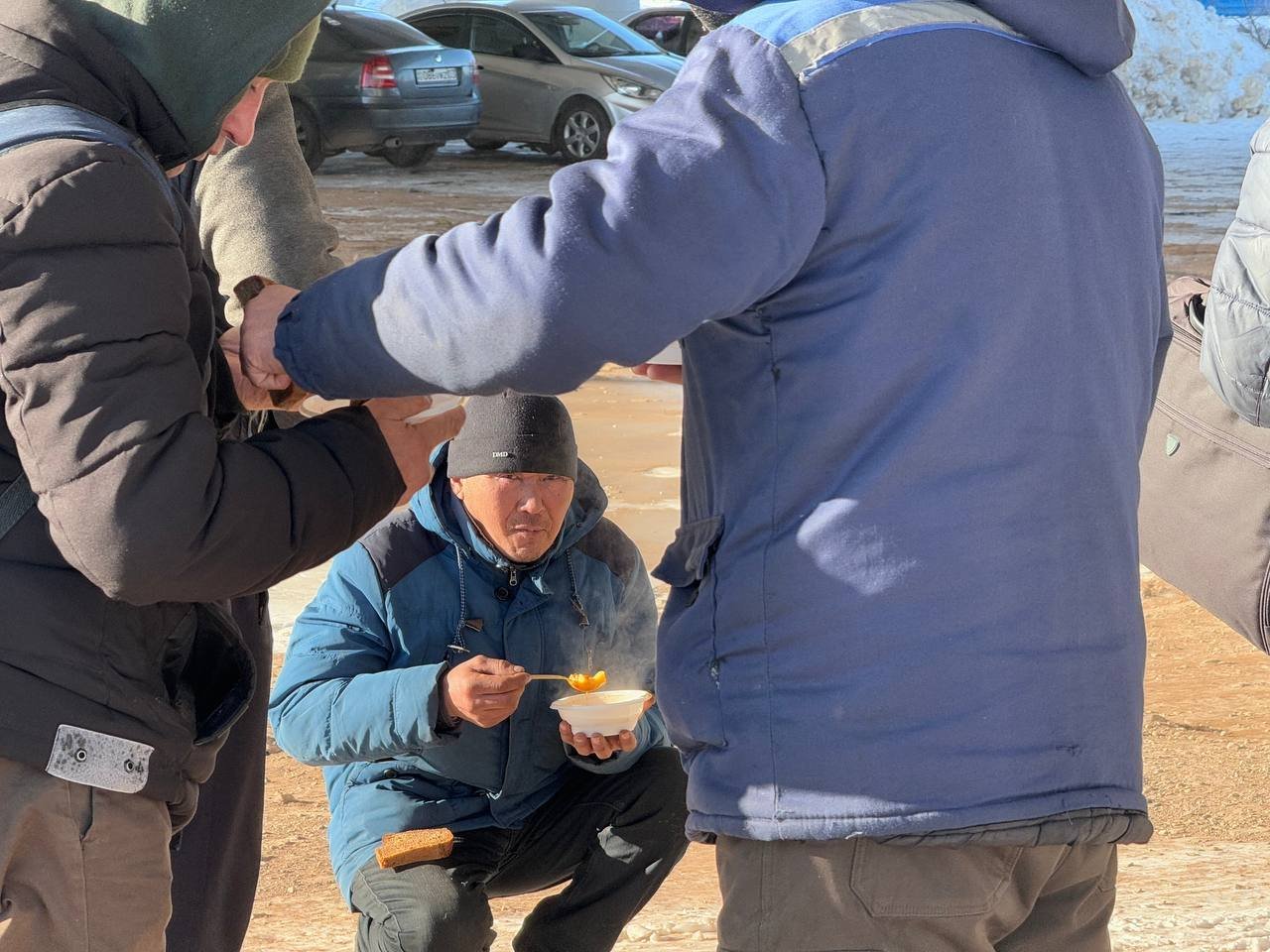
He also heard from the homeless that they were being taken away to “clean” the city.
They used to take them to Yekibastuz, Arqalyq. They’d give them a loaf of bread, as they say, a pack of cigarettes for two, then just leave them there. It didn’t matter if it was freezing or not. There was one guy who got frostbite on his fingers and made it back here on foot. They flew them by helicopter to Arqalyq and then dumped them in the steppe. Somehow, they managed to make it back here, he shared about what he heard.
Putin In, Homeless Out
Batyrkhan Zhapan, a 50-year-old man, is one of those who received help from volunteers.
He’s been living without a roof over his head for the past three months. He showed the reporter where he slept last night, which was under a pipe by the “humpbacked” bridge.
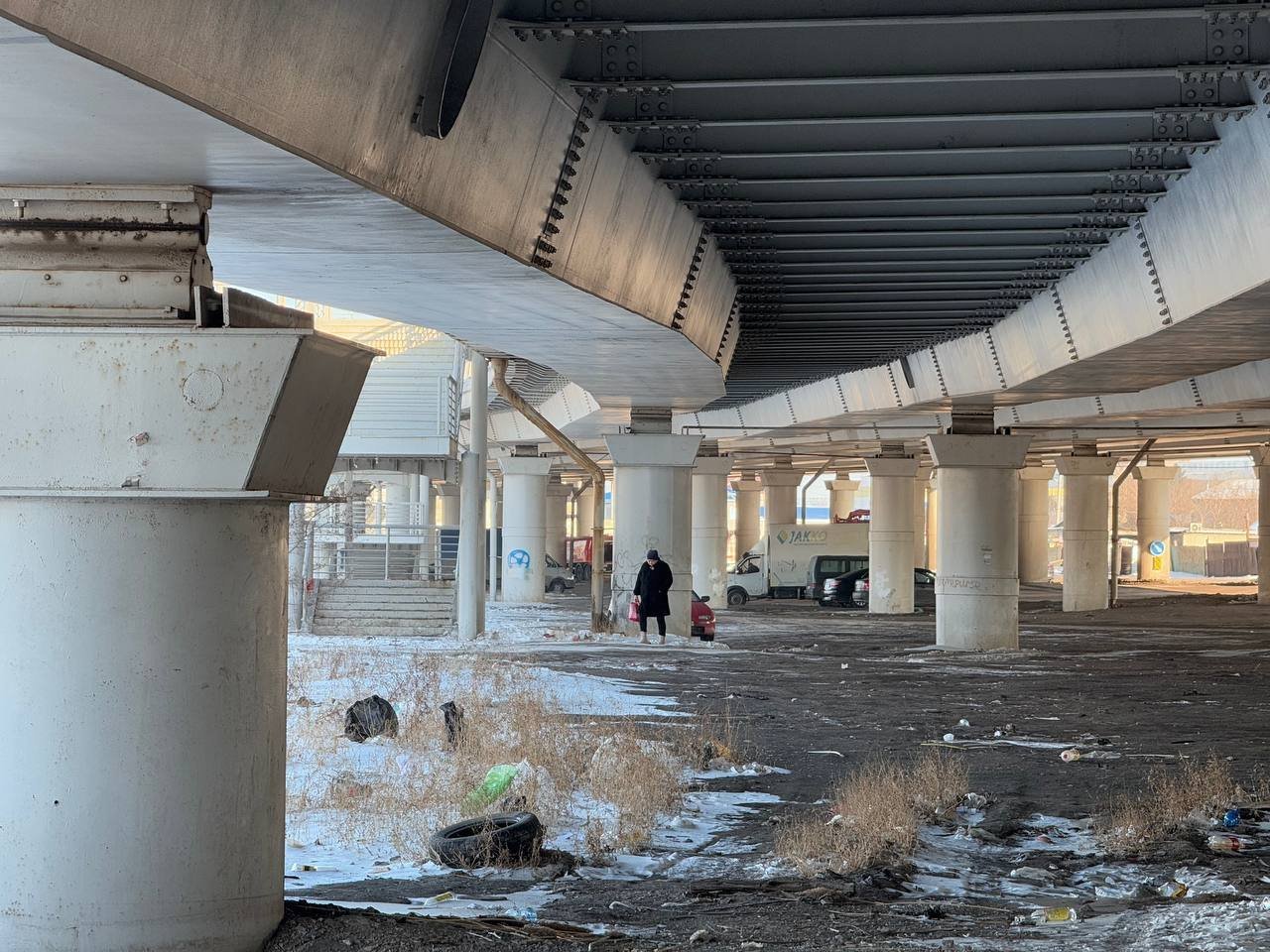
It is a haven for rest, but sometimes, cars drive overhead and wake one from their slumber.
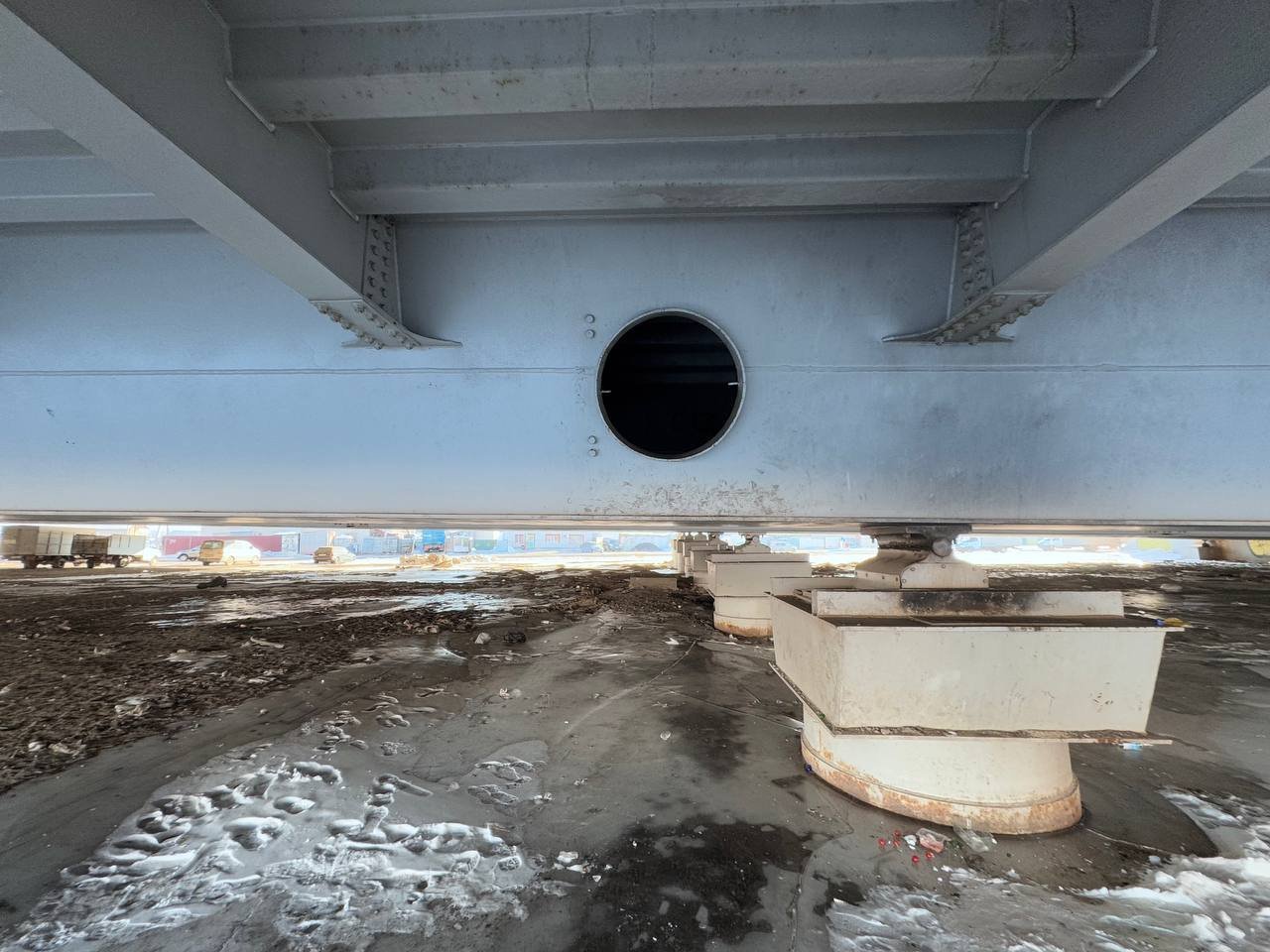
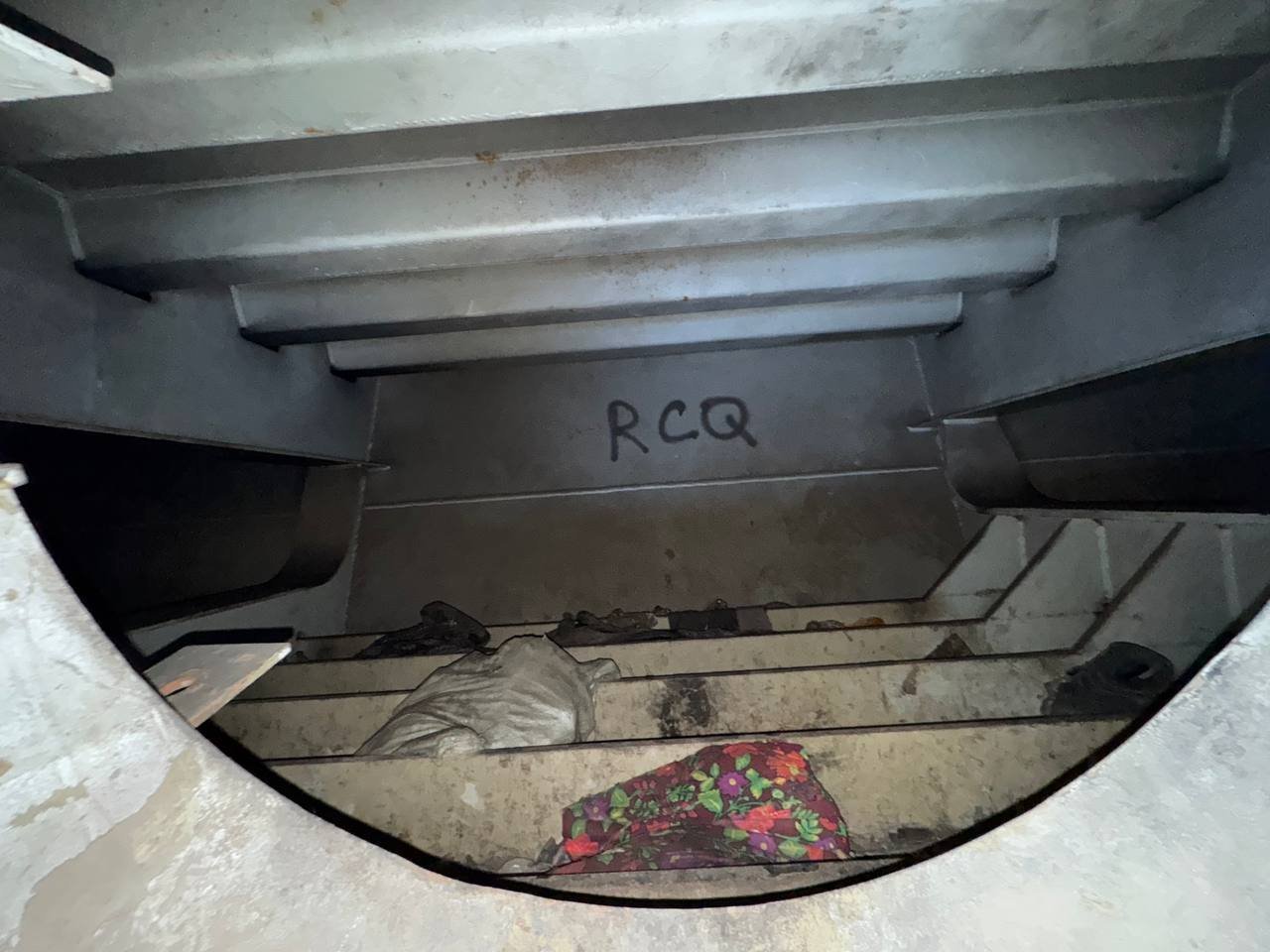
Batyrkhan accepted the offer to move to the nearest warm place to share his life story.
He’s been through a divorce and has an adult daughter living in Almaty.
Seven years ago, he came here looking for a fresh start. He was working in construction, but like so many others, things eventually fell apart. He’s the eleventh child in his family, with three brothers and seven sisters, but he doesn’t keep in touch with them. “Everyone has their own lives now,” he says.
I left two apartments for my daughter and wife back in Qostanay before moving here. My daughter sold them later to buy herself a place in Almaty. She’s a musician and plays the violin in an orchestra. She got married, too. I won't lie — I started drinking. When my granddaughter was born, I couldn’t go to Almaty to see her. Now here I am, without communication, without anything. Otherwise, she would have come and taken me. Maybe she is looking... She is the only one I have left. I want to take a couple of days off from vodka and find a job somewhere. There’s work out there, but the vodka keeps getting in the way. Otherwise, I can go to the “pyatak” (place near the Tulpar shopping center — Ed.) and find a job. People are simply looking for solace in vodka. In my case, it is the result of loneliness, the man believes.
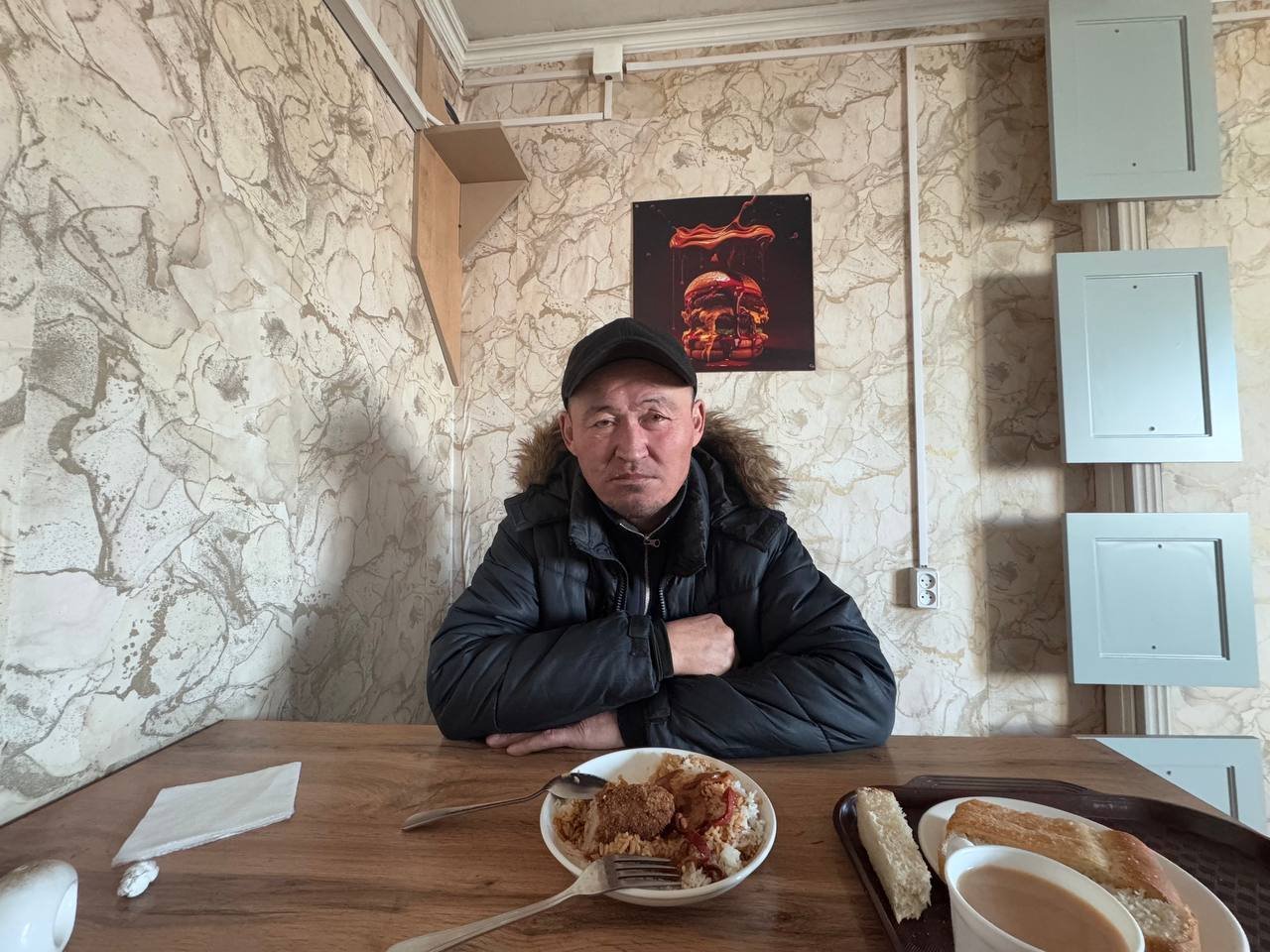
In 2007, I started having problems. I took out loans, and by 2013, I was bankrupt. I lost everything. It led to a divorce. I thought I could turn things around, so I mortgaged my parents' house—a 570-square-meter cottage—for 17 million. But I couldn't buy it back. My mother was paralyzed at the time, and I still can’t forgive myself for squandering my parents' home. I stopped talking to my family because of it. The last time I saw them was at my mother’s funeral. Maybe they are looking for me, but I don’t contact them, he shares.
Batyrkhan also recounted how the police once took him out of the city, something he says often happens to homeless people.
They'll take you out of town and drop you off. It’s up to you to find your way back. They took me out during a summit when Putin visited — a big clean-up was happening. They drove us to Arshaly, the Qaraganda highway, about 100 kilometers away, and dropped us off in pairs every 10-15 kilometers. Around 40 of us were taken out on a bus. I had to hitchhike back. They strip you of everything. Your phone, your money. And there's really no way to prove anything happened.
Batyrkhan also spoke about exploitations.
They come to the "pyatak" pretending to be employers. They ask if you're sick or want a drink. They pour you some and then take you off to the village to graze livestock. This happens a lot. Some manage to come back, and some don't, he says.
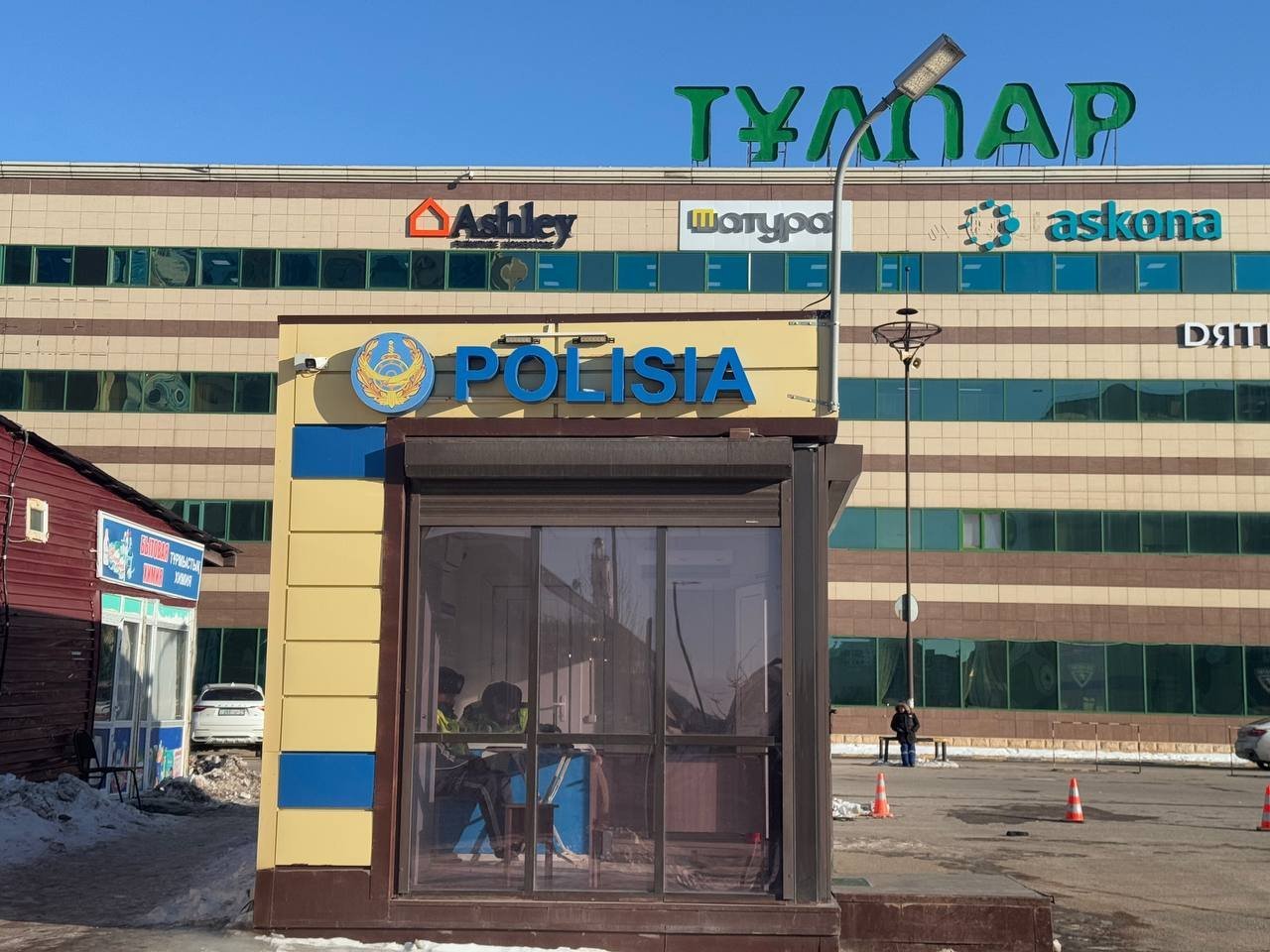
Not too far from the "humpbacked" bridge near the "Tulpar," there’s a police booth where two officers were on duty. The correspondent spoke with them.
The officers stated that the police don't handle situations involving homeless people.
I have a GPS tracker here that monitors my movements. If I were to leave, especially outside the city, my superiors would notice immediately, the policeman claims.
Police officially deny any involvement in removing homeless people, and the Akimat also responded that they don’t engage in these matters either. It makes us wonder who these mysterious police officers are that the homeless in Astana talk about.
Raised by Grandparents
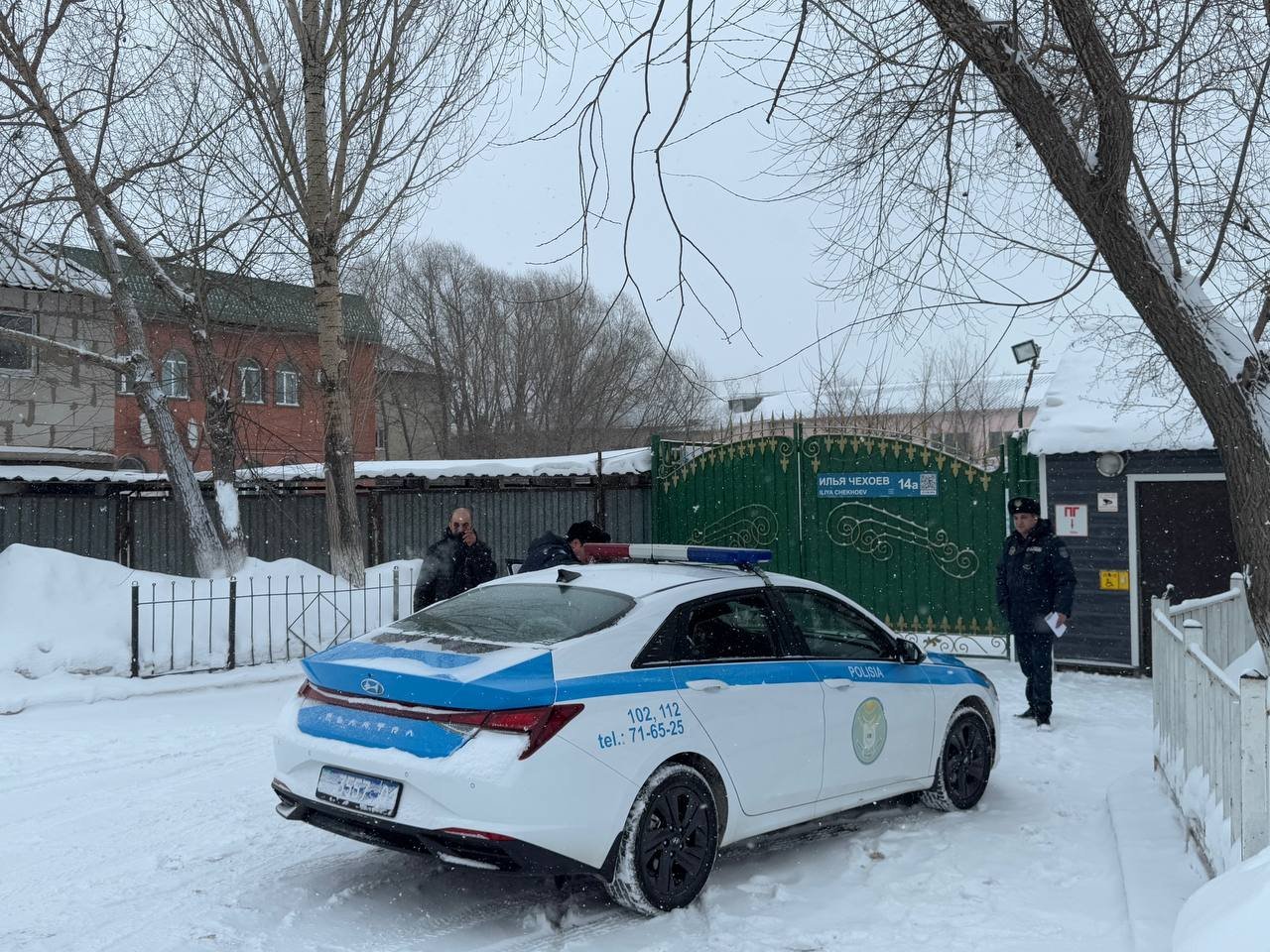
The “Demeu” Resocialization Center, located at 14a Ilya Chekhoev Street, run by the Astana Akimat, offers a helping hand to those in need.
There are similar centers in every region across the country, providing a range of essential services to the homeless, including shelter, food, clothing, medical treatment, assistance with document restoration, employment support, and access to psychological help.
Visitors cannot arrive intoxicated. Unfortunately, many people seeking help at the center struggle with alcoholism. More than a thousand people come here every year. Often, the "guests" are brought by local police officers.
Some have just been released from prison, some may be experiencing family conflicts. Alcoholism is the most common reason we see. Sometimes we even have children bringing their parents here. If this person has reached retirement age, we register him in a nursing home. If he has an I-II disability group, then we help him to get into a nursing home for the disabled, says the head of the social department, Saule Absadykova.
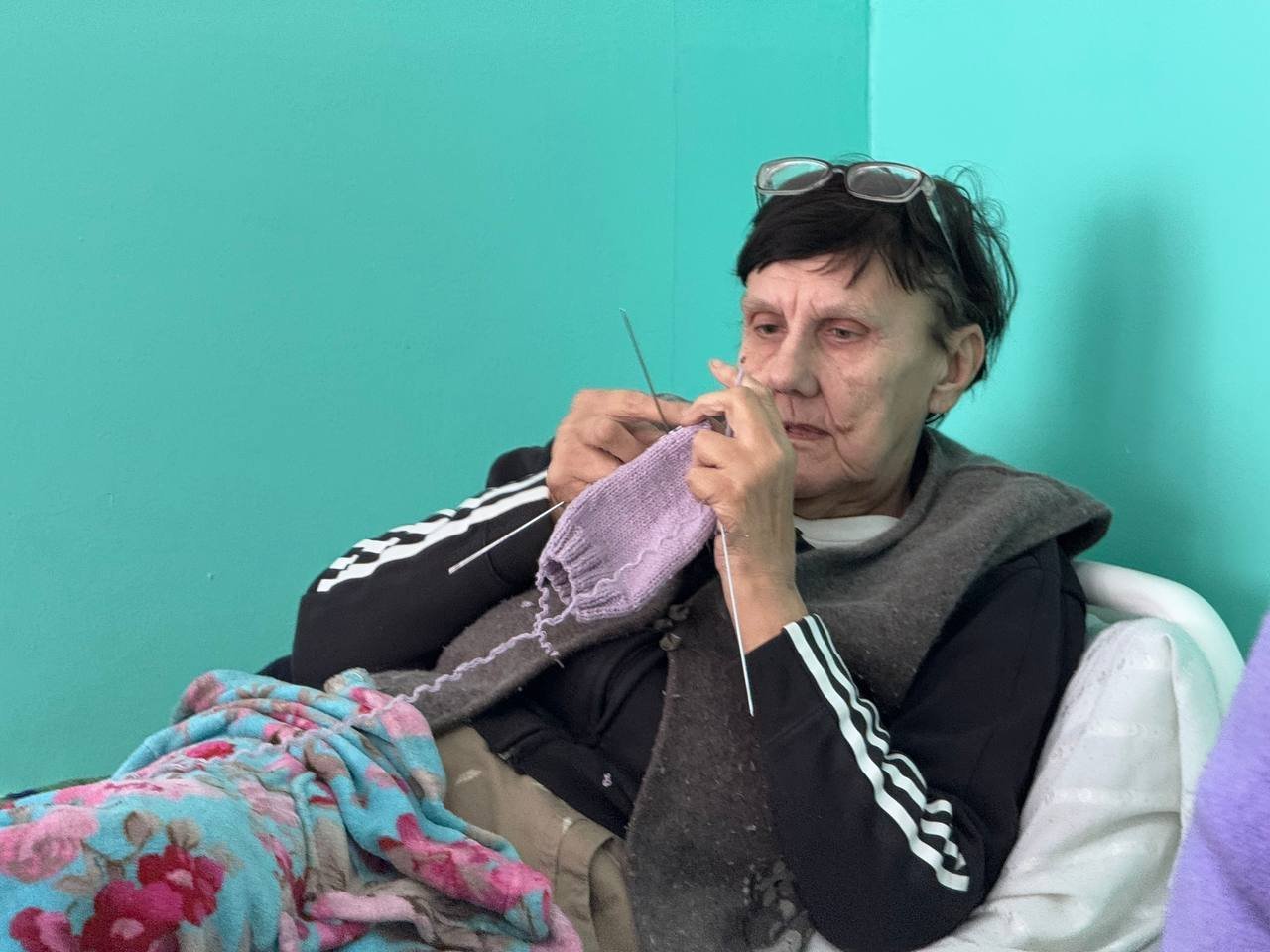
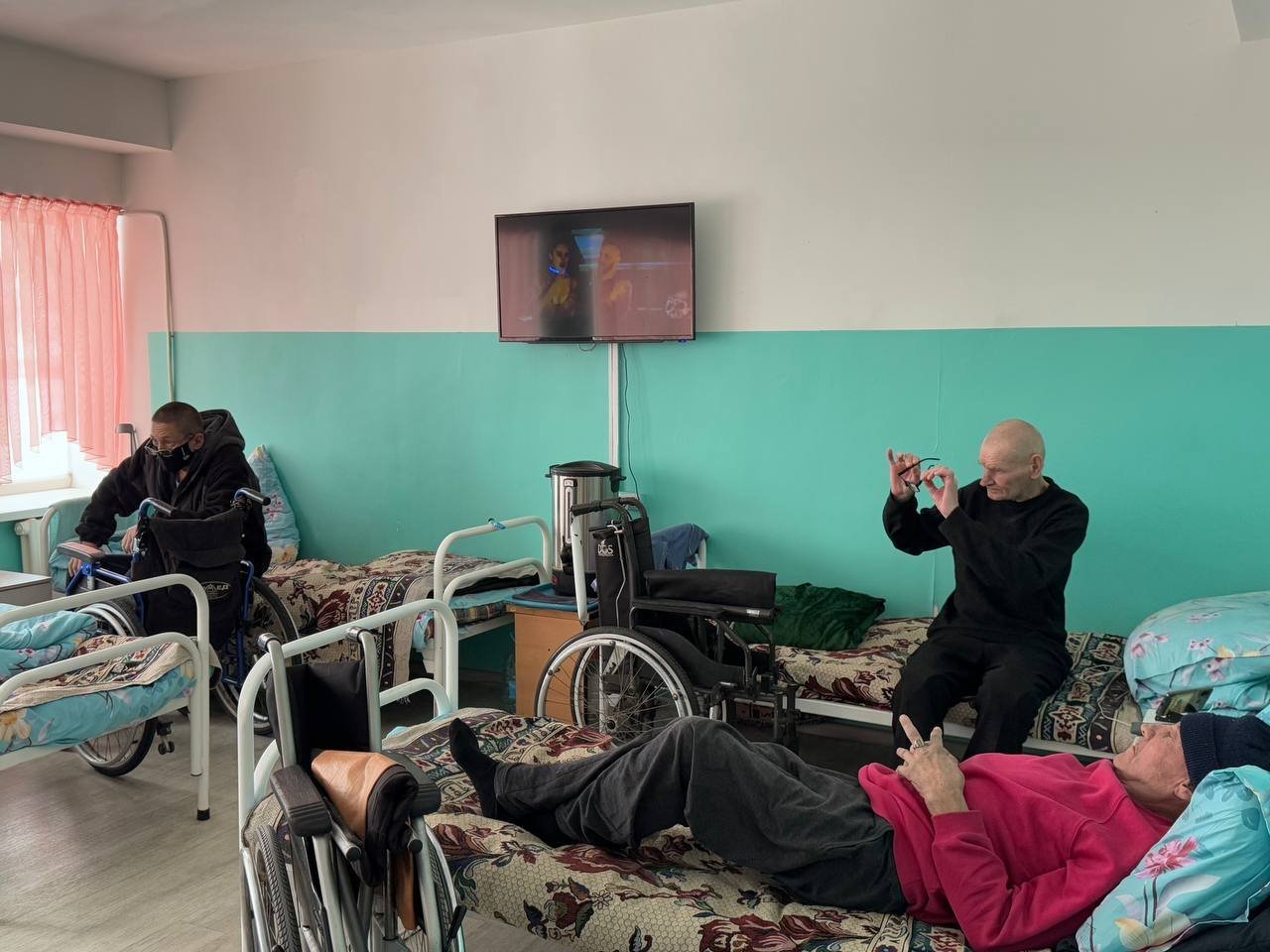
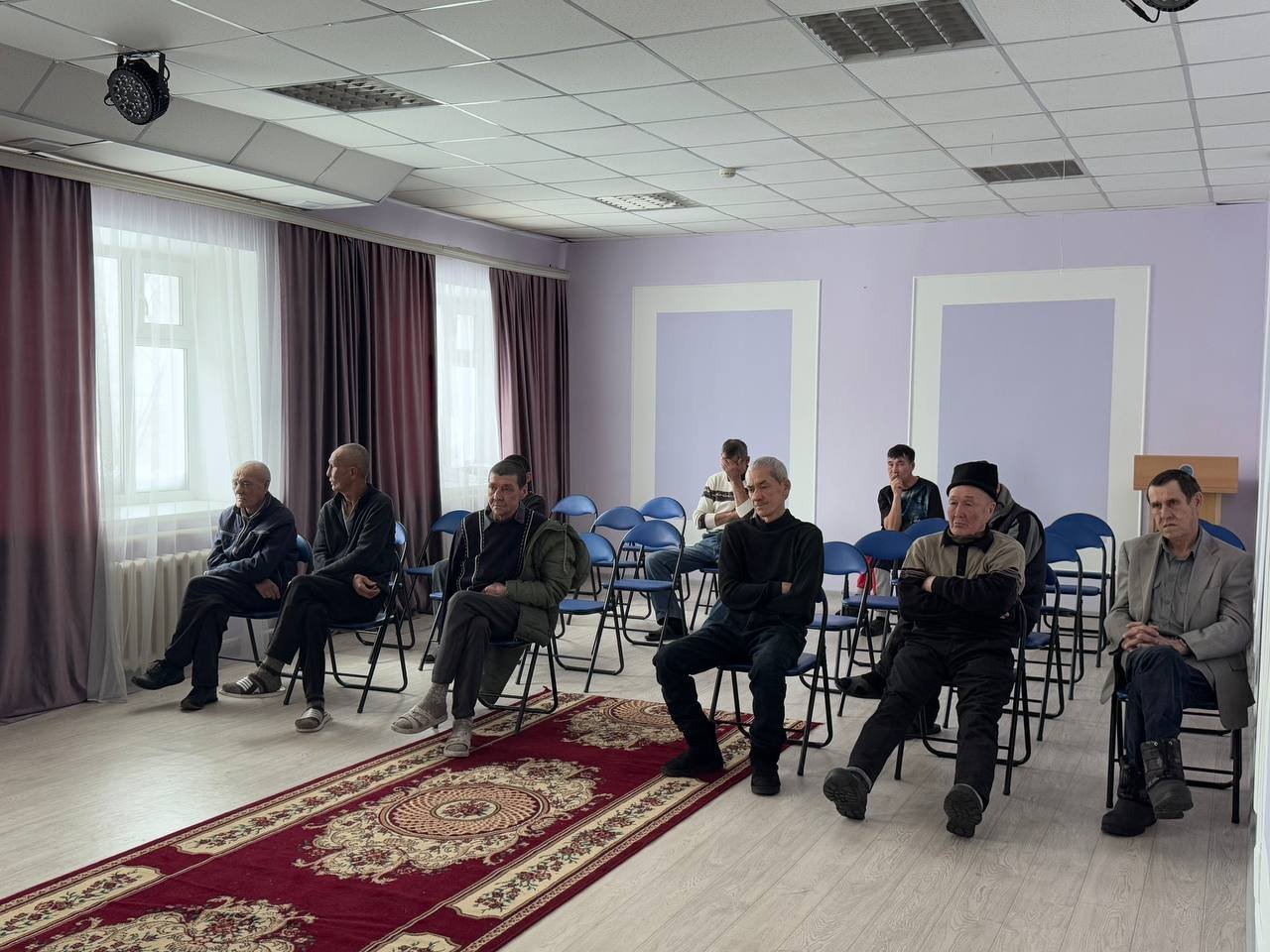
The center can accommodate up to 180 people in the day program and 50 in the "night shelter" program.
People can stay in the day program for anywhere between a month to a year, depending on the social services they are receiving.
Obtaining disability status can take around six months.
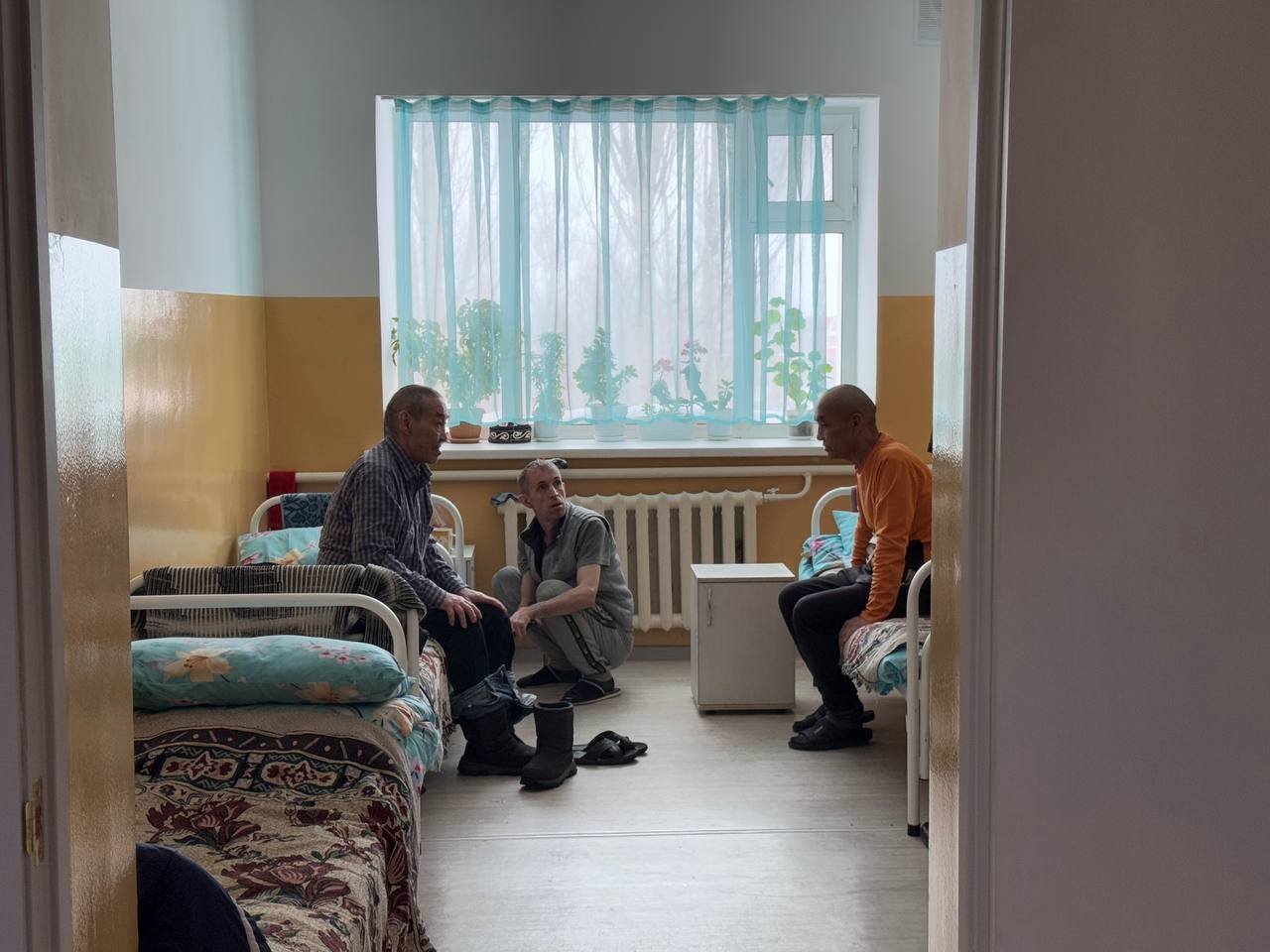
The “night shelter” is open for those in need. Guests can check in after 6 p.m. and stay overnight before heading to work in the morning. Unfortunately, many don’t find work.
Homelessness is a condition. After working here for over ten years, I've come to a clear conclusion. There are two types of people we see. Those who have really gotten into a difficult life situation and need help. And then, there are those who choose this lifestyle. No matter how many resources or support we provide, some still choose to return to living on the streets, says Saule Absadykova.
When someone comes to the center, they are required to undergo standard medical tests.
Many people come with frostbite of the extremities; unfortunately, some need amputations.
There’s a significant number of people here who rely on wheelchairs to get around.
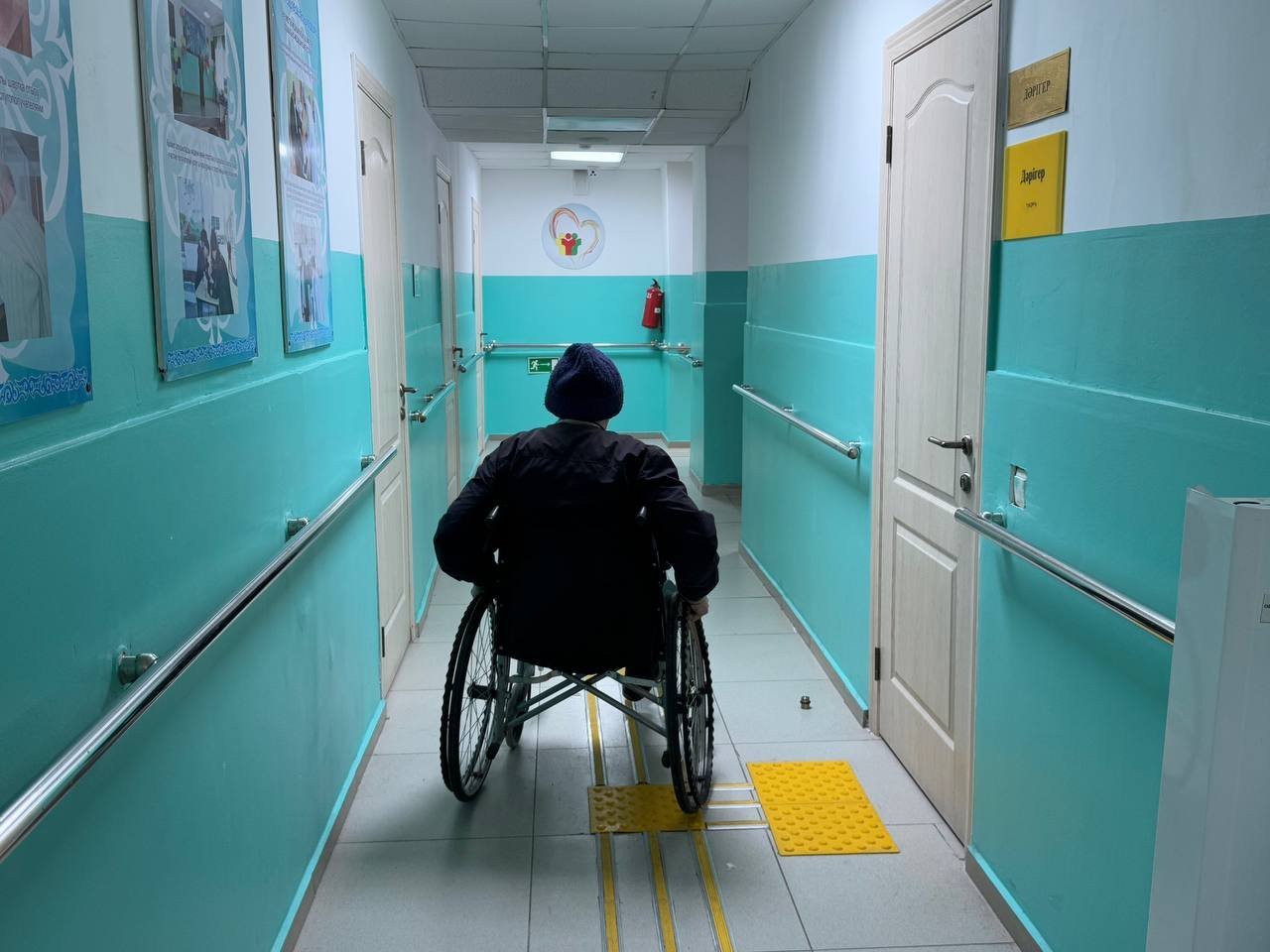
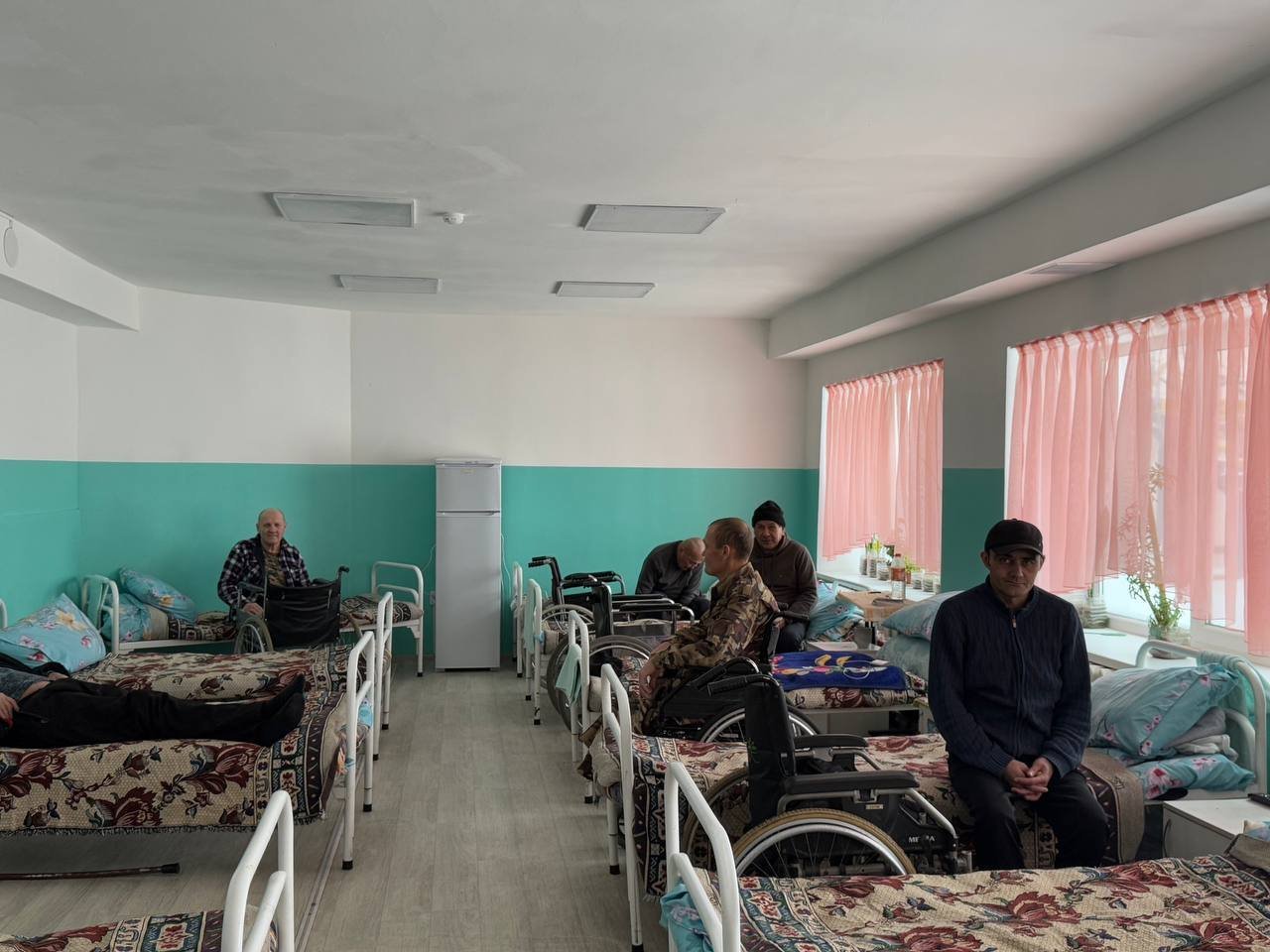
Many people come here struggling with post-alcohol syndrome, and psychobehavioral disorders that require psychiatric support. We work alongside the police to help them get admitted to drug addiction treatment centers, explains Saule Absadykova.
The majority of the patients are men. Out of 142 people in the day program, only 20 are women.
There was a woman recently; we persuaded her to return to her family; she has children and brothers. Her husband died. She took it hard. She turned to drinking and ended up on the street for about three months. Someone recommended our center to her. She began to turn her life around. She stayed with us for almost two months and recently returned to her family.
Saule adds that many individuals don’t want to stay in touch with relatives because they feel like a burden.
Others, especially those released from prison, often face rejection from their families. Finding a job with such a background is also quite challenging. There are even some foreigners who have come to us, including people from Africa and Türkiye.
Among those who seek help, there are individuals who have battled mental health issues since childhood, often hidden because it is "uyat" (a cultural stigma in Kazakhstan's society, translated as "Shame" – Ed.). And when parents die, this person is already 35 years old and unregistered, facing a range of difficulties. Many grew up in orphanages. It is interesting that a significant number were raised by their grandparents. This is why I oppose the idea of giving children to be raised by grandparents, Saule Absadykova says.
Too Early for Adulthood
Ivan Zaitsev, 36, was admitted to the center four years ago with frostbite on his feet.
Now, the once tall and athletic man finds himself in a wheelchair.
He grew up as an orphan, having come to Astana from Stepnogorsk. He worked as a laborer at construction sites and rented temporary accommodation. He had studied to become an engineer specializing in automatic fire extinguishing systems and even traveled for business before landing a job with BI Group.
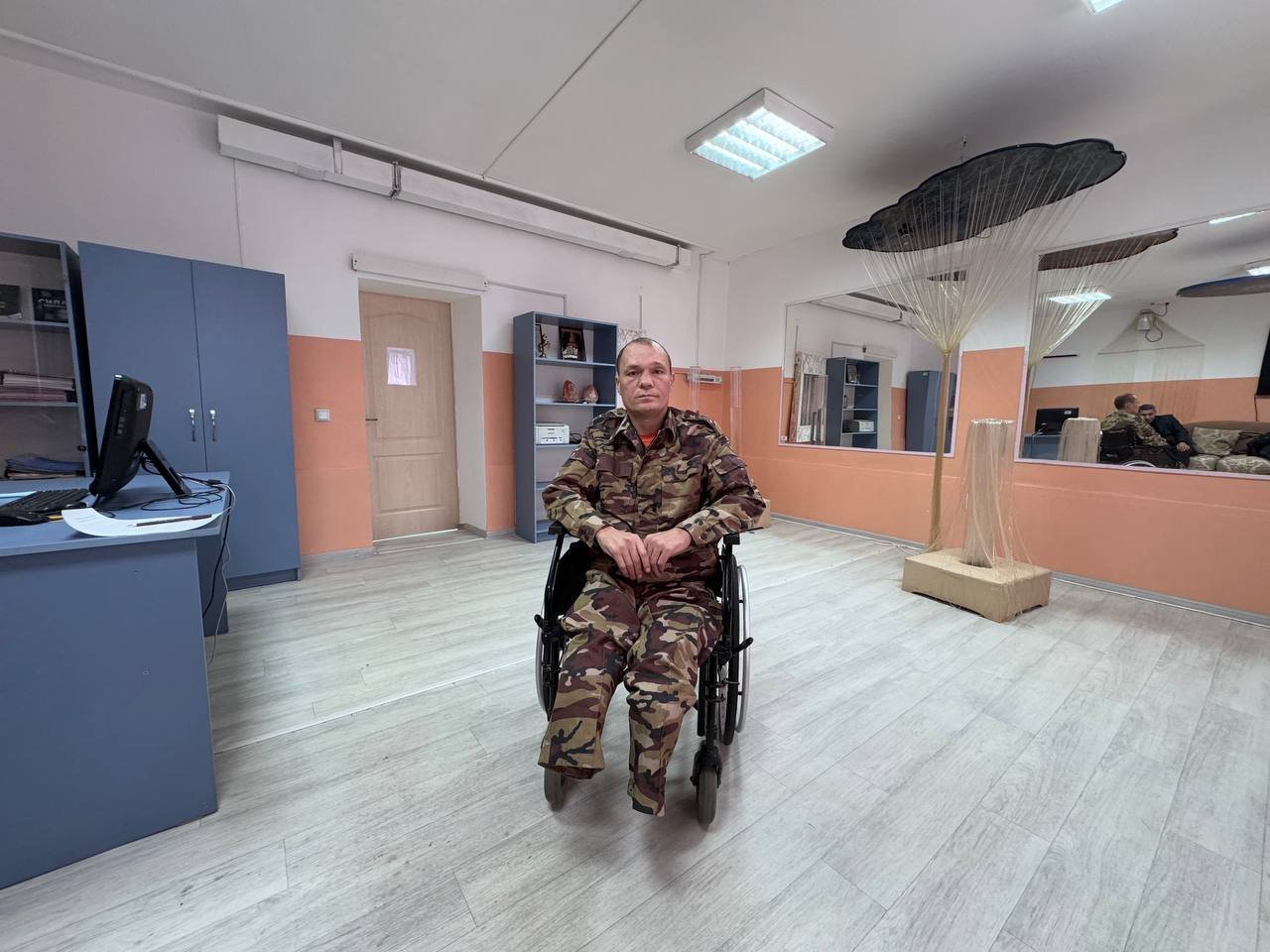
At one point, he tried to buy a summer home, managed to pay half, and lived there for a while.
But then an accident left him with leg injuries. Although he recovered and returned to work, he later turned to drinking.
I couldn't take it anymore; I broke down and started drinking. One winter, I ended up falling asleep outside and didn’t make it home. It was during Epiphany frosts, and my legs started to turn black... Ivan recalls.
The center is now assisting him in transitioning to a nursing home. During his time here, he even found love, though tragically, the woman passed away.
I wouldn’t say I’ve completely overcome my alcohol addiction, but I definitely don’t drink like I used to. After the surgery, I drank heavily. I thought to myself that since I was an orphan, this was just how life was supposed to be. I don’t blame anyone; I understand that it’s my own fault, Ivan admits.
As an orphan, he never received an apartment of his own.
I’m still waiting for an apartment. Honestly, I have no idea where I stand in the queue. All the paperwork was done when I left the orphanage, he explains.
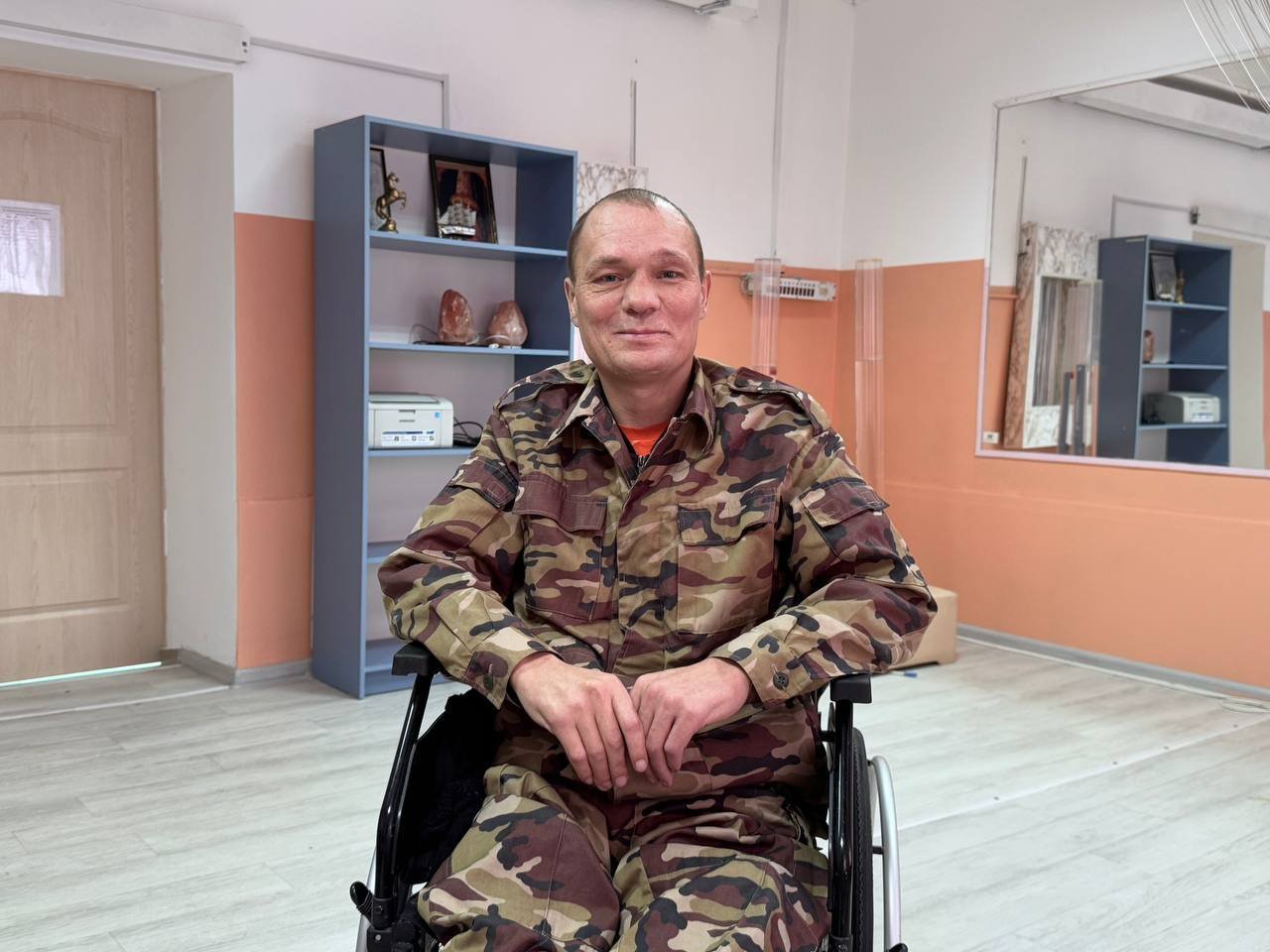
Ivan believes his life could have turned out differently if he had received an apartment from the state on time.
When I left the orphanage, I was suddenly on my own. They put us in an adult dormitory, a two nine-story buildings, built up to the third floor. 380 people from all over Kazakhstan. If you want to live there, build it yourself. I was thrown into adulthood way too early... Ivan reflects.
55-year-old Yelena (name changed at the woman’s request) is originally from Balkhash.
She grew up in an orphanage, too, and has been battling alcoholism. During our conversation, she couldn't hold back her tears.
My second husband died in my arms. He was a disabled Afghan veteran. I was 42 years old. I started drinking. After he passed, I was left alone. My landlady kicked me out because I couldn't pay rent, and that’s when I really broke down, she says.
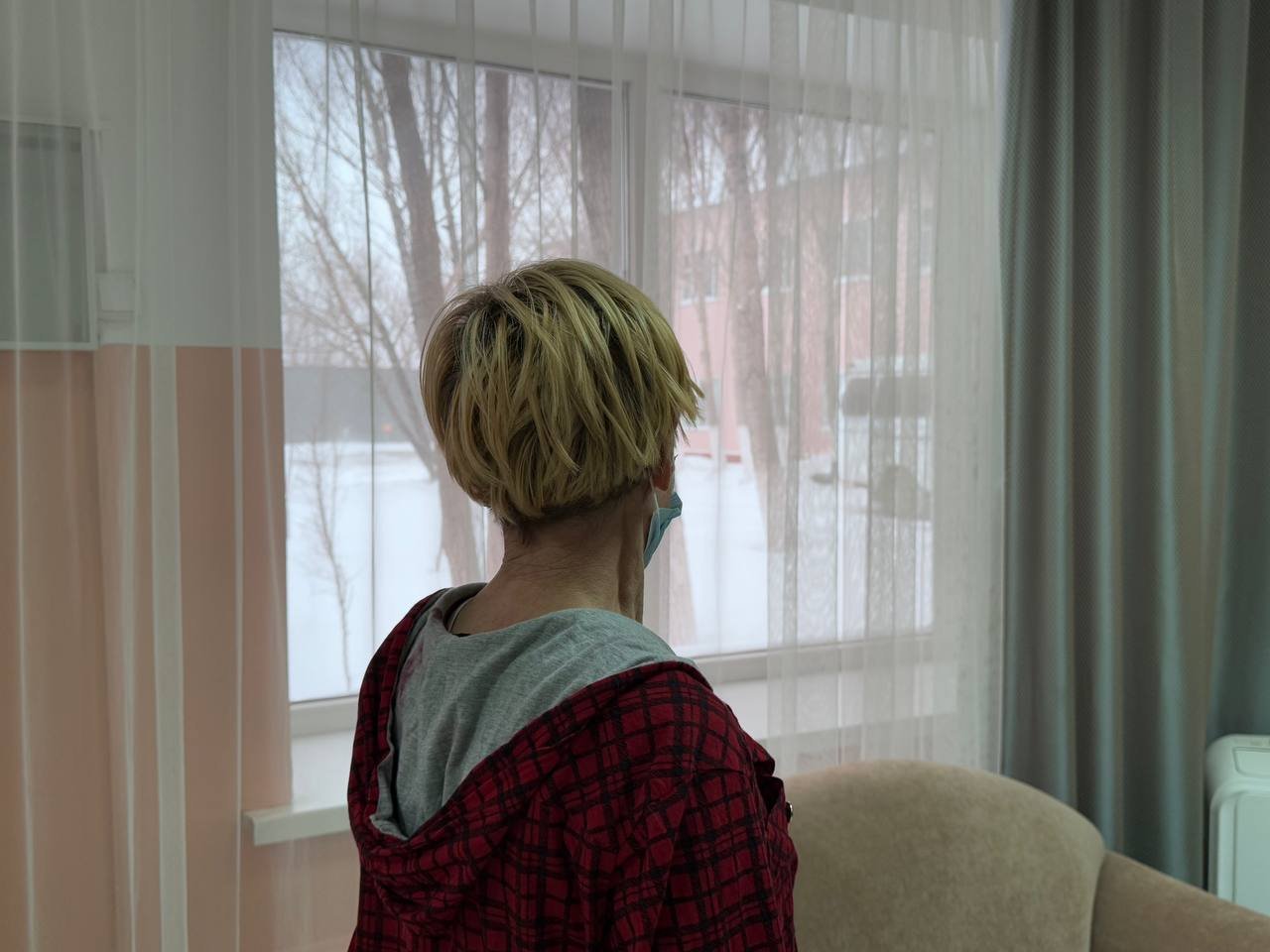
Yelena is a cook, but she's held various jobs over the years:
A jack of all trades, but vodka, in a way, a little, admits Yelena.
She has two adult daughters and four grandchildren. Her relatives visit her and ask her to move in with them.
She does not even want to think about it, though.
I can’t turn to my kids for help, especially with the grandkids involved. My youngest daughter reads namaz, and there’s no drinking or smoking around her. They come and bring me money and food, always asking me, 'Mom, please come home.' I just tell them no, she explains.
Currently, Yelena is in a relationship with a man who has received disability assistance through the center.
They plan to find jobs at the DEPO and live together in a hostel.
He is a good man, responsible. He never leaves me, I never leave him. We are for each other, the woman says.
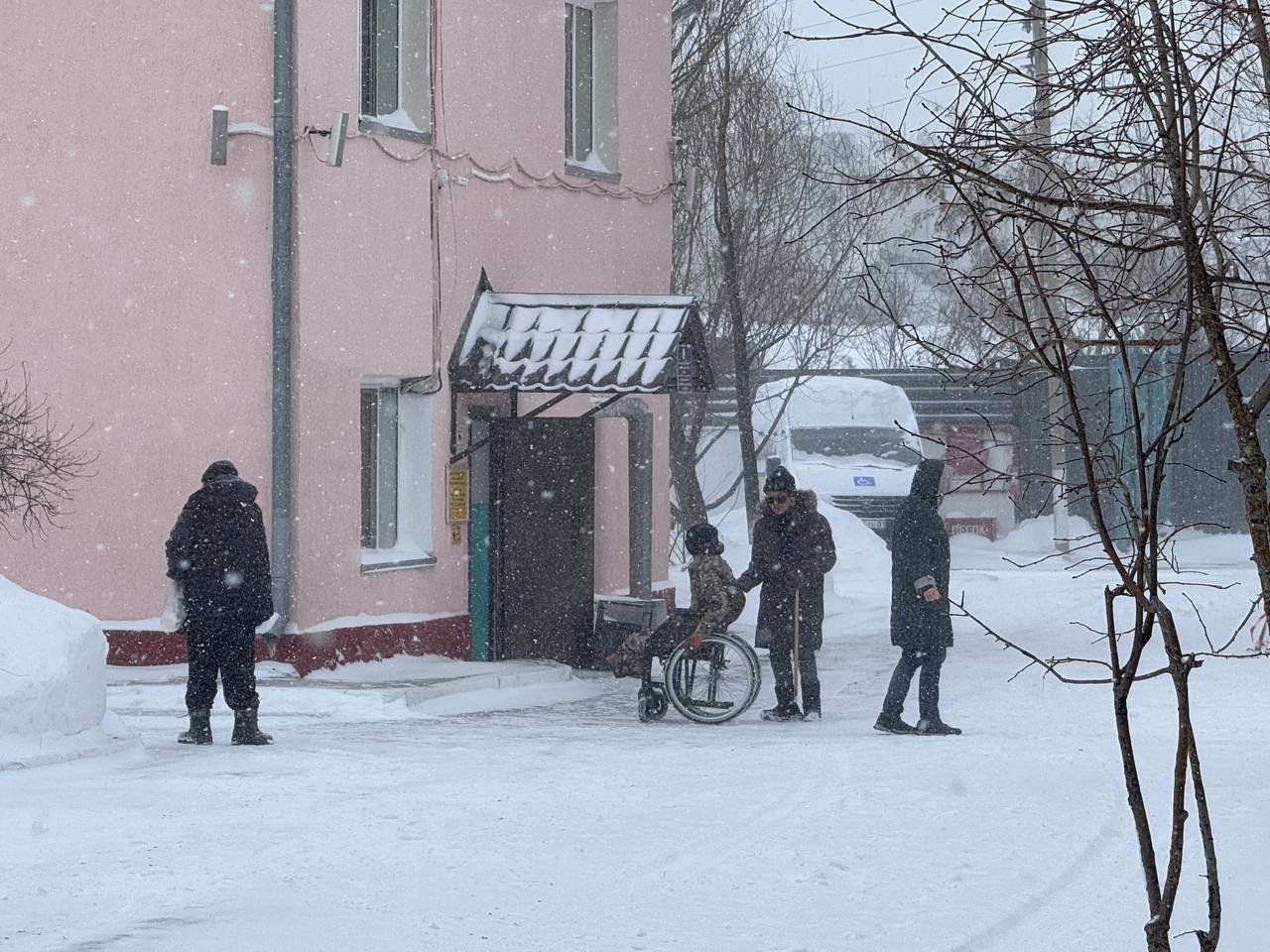
Astana is a constantly evolving city. With new architectural projects popping up, international events taking place, and buildings reaching for the sky, it might seem like there's no room for those who have lost their way.
They seem invisible in this shiny landscape.
Yet, as new districts rise on the outskirts of the capital, there are still people who sleep in the cold just outside those very windows.
Some cannot or choose not to seek help at assistance centers, and their presence is often seen as a nuisance by the city authorities.
Their stories often sound surprisingly similar. The streets grip them tightly, and it becomes clear that circumstances alone do not tell the whole story.
Original Author: Zhadra Zhulmukhametova
Latest news
- Kazakhstan May Introduce Drug Testing, Mortgage Perks, And New Restrictions For Civil Servants
- Who Paid the Most Taxes in Kazakhstan’s Trade Sector
- Kazakhstan Plans School-to-Civil Service Pipeline to Boost Youth Recruitment
- School Textbooks To Be Rewritten Again In Kazakhstan
- Suspect In Serial Fraud Case Extradited To Kazakhstan From Russia
- The National Bank Will Be Less Likely To Inform Kazakhstanis About Inflation
- Kazakhstan Extends Toll Road Payment Deadline
- Kazakhstan’s Industry Fell 3.1% In January–February Despite February Growth
- From Utilities to Security, Kazakhstan Approves New Smart Cities Methodology
- Tokayev Announced A Criminal And Administrative Amnesty Following The Adoption Of The New Constitution
- Tokayev Signed A Decree On The Implementation Of The New Constitution
- Casinos for Foreigners Only to Open in Kazakhstan
- Analysts Record a Sharp Surge in Immigration From China to Kazakhstan
- Baikonur Prepares To Launch Progress MS-33 Cargo Mission To The ISS
- Kazakhstani Scientists Are Preparing a Cancer-Prevention Supplement From Tomatoes and Watermelons
- Garbage Fines Now Fall Under Akimats: What the Changes Mean and What Risks Citizens Face
- CEC Announces Final Results Of Constitution Referendum
- Applications Begin For Bolashak And Scientific Internships In Kazakhstan
- Road Construction Violations Worth Hundreds of Billions of Tenge Uncovered in Kazakhstan
- Winter Paralympics End In Italy As Cortina Hosts Closing Ceremony
