

Ancient Rus and the Great Steppe: A Closer Look at the Toqayev–Putin Declaration
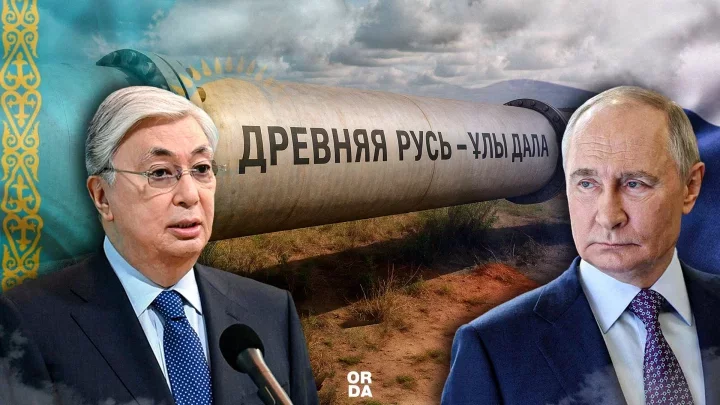 Photo: Orda.kz
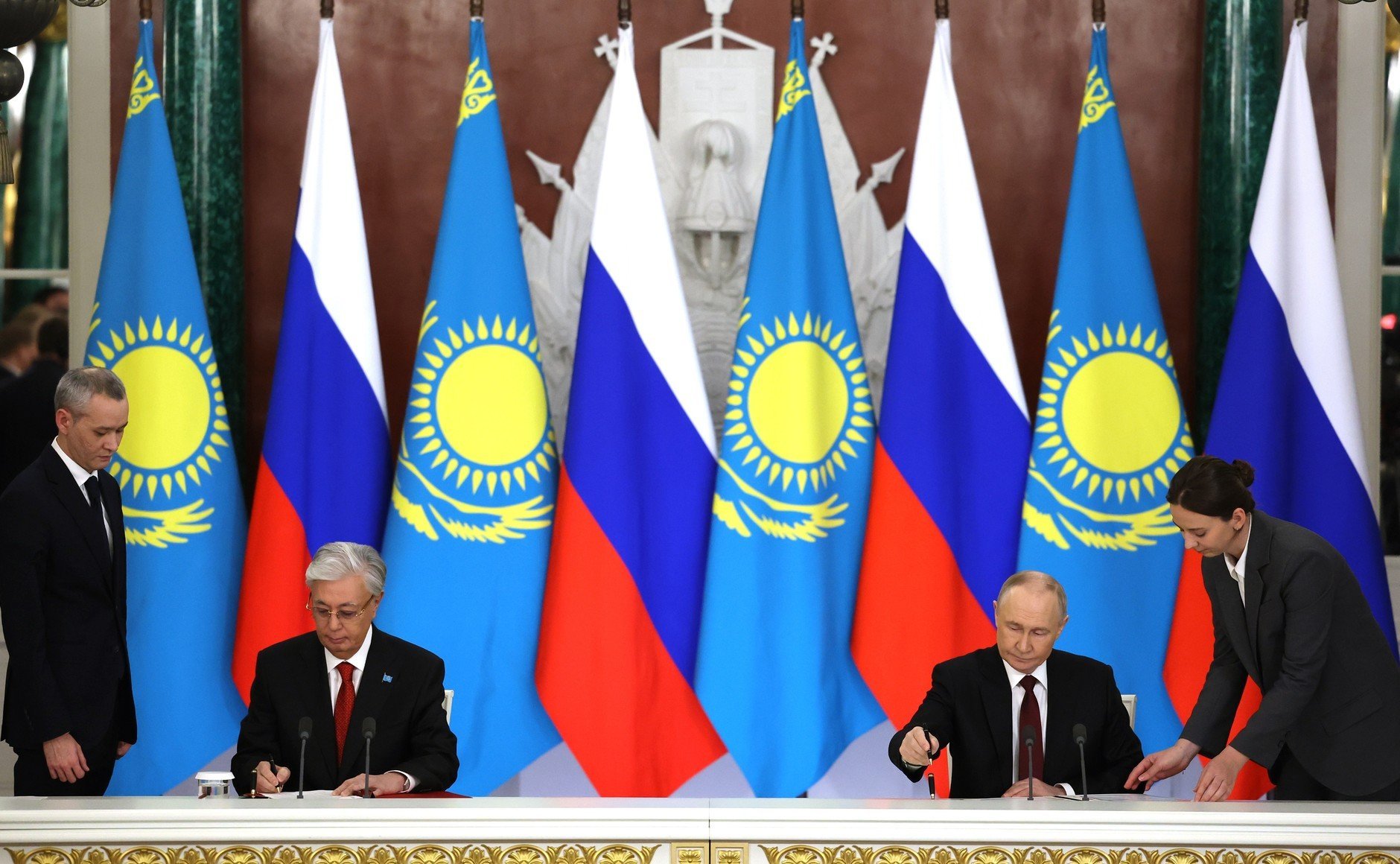
On November 12, during Qasym-Jomart Toqayev’s visit to Moscow, Kazakhstan and Russia signed more than a dozen documents. The most important of them is considered to be the “Declaration on the transition of interstate relations between Kazakhstan and Russia to the level of a comprehensive strategic partnership and alliance.”
Orda.kz examined the document.
The declaration contains 42 points, formally divided into four sections — but in practice into three: politics and security, economics, and the humanitarian sphere.
Although the first page of the declaration is outside the numbered sections and may seem dull, much of it simply lists previous documents on friendship and cooperation between the two countries. However, at least one point in this section, in our view, deserves particular attention. It is this phrase:
Declaring their determination to support each other in the face of global challenges and threats, as well as in countering any attempts at internal political destabilization.
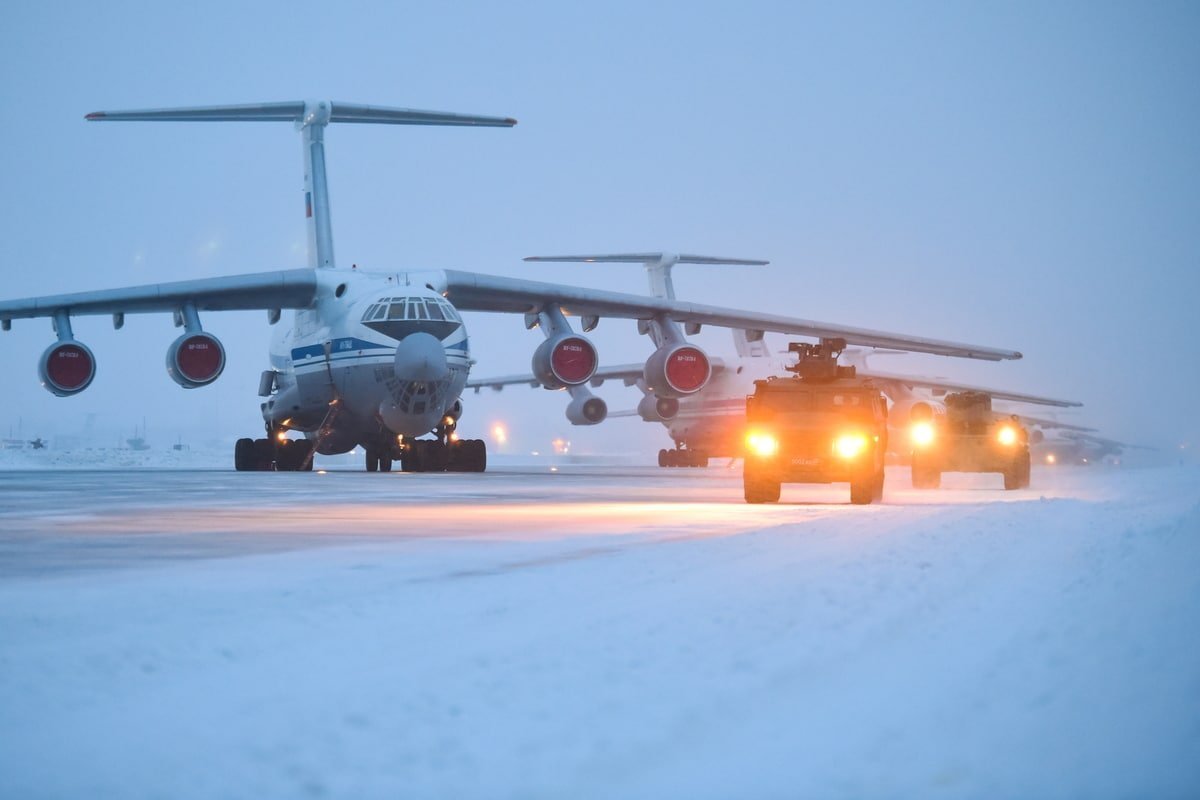
The second part of the sentence is especially interesting. How exactly the sides intend to support each other in the event of attempts at internal political destabilization is not specified. But the first thing that comes to mind is the CSTO deployment to Kazakhstan in January 2022, the majority of which consisted of Russian forces.
The CSTO is mentioned repeatedly in the section devoted to politics and security.
For example:
The sides reaffirm the key role of the CSTO in maintaining regional stability and emphasize their commitment to further strengthening the organization’s capacity.
At the same time, the document also repeatedly stresses that the sides respect each other’s sovereignty and territorial integrity.
Overall, most of the political section reiterates commitments to previously signed documents — from the 1968 Nuclear Non-Proliferation Treaty to the UN Convention against Cybercrime dated December 24, 2024.
As we have noted earlier, the section with far more specifics is the one devoted to economic relations, primarily transportation and logistics.
For example, Point 13 contains the following:
The sides will continue removing excessive barriers to the movement of goods and services in mutual trade and transit, building a seamless transport and logistics space, digitizing the economies, improving technical regulation, and identifying new areas for cooperation.
Considering that the document also mentions expanding the capacity of the North–South route, modernizing the Western Europe–Western China corridor, and developing the “Trans-Altai Dialogue” initiative, the plans for a seamless transport space sound quite promising.
In the context of the Western Europe–Western China corridor, the declaration even states:
Special attention will also be given to improving cross-border logistics infrastructure, including the reconstruction and upgrade of border checkpoints on the Russian–Kazakh state border using modern digital solutions.
However, looking at the realities of 2025 — with bottlenecks on the Kazakh–Russian border and unclear rules regarding the length of stay of Kazakh long-haul drivers in Russia — talk of “seamlessness” feels premature.
If anything, the seams are multiplying.
Even more attention in the declaration is given to pipeline transport and what flows through it: oil and gas. For example, Point 20 says the following about energy resources overall:
The sides will continue creating conditions for the unobstructed transportation of energy resources and for implementing joint energy projects, including in the exploration and development of new fields.
Point 21 focuses on gas:
Special attention is given to developing cooperation in the gas sector, including issues of transporting gas to third countries, as well as ensuring reliable protection of critical cross-border energy infrastructure.
And in the same point, on oil:
The sides support the uninterrupted and stable operation of the Caspian Pipeline Consortium, which plays a key role in ensuring energy stability and developing economic cooperation in the region.
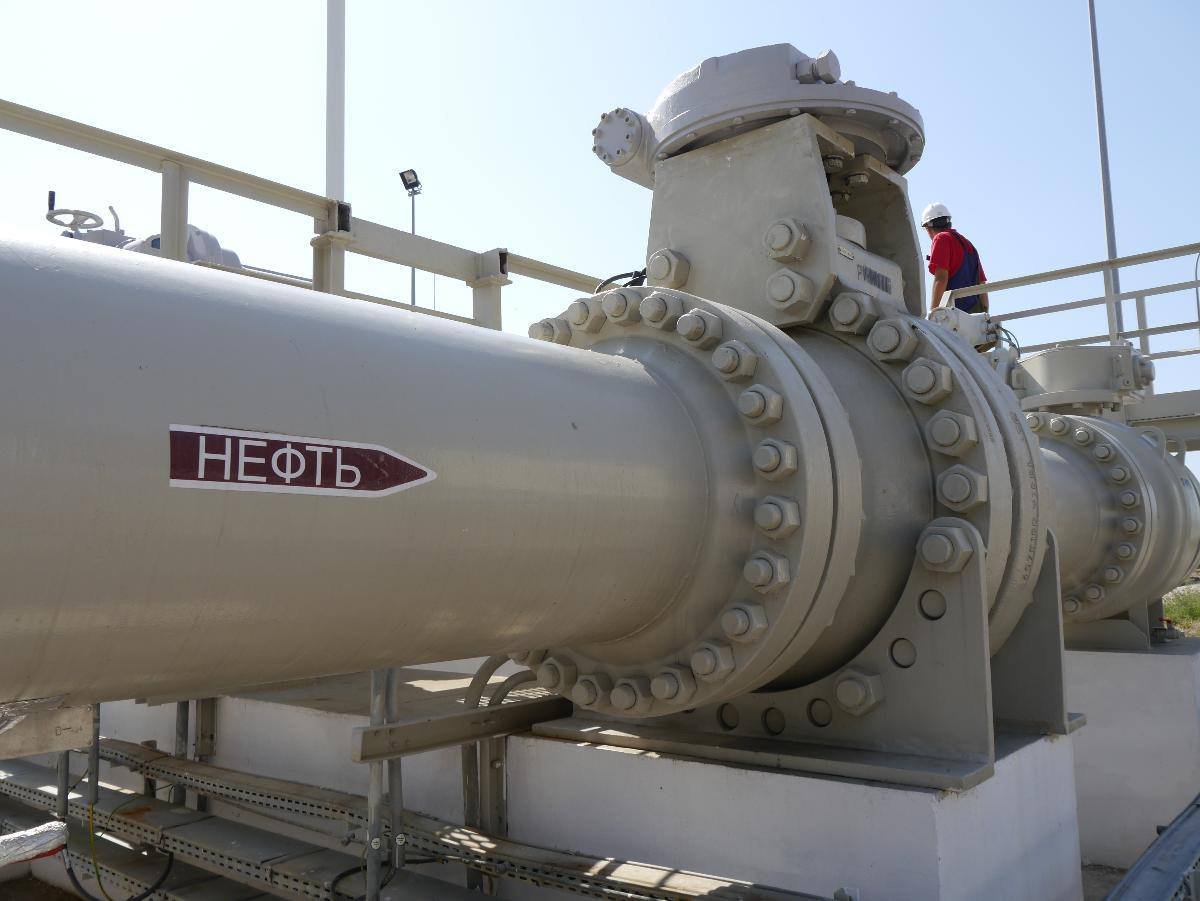
Although transportation and logistics — including oil and gas transit — account for fewer than 10 of the 42 points, they are arguably among the core elements of the document, if not the most central.
From this, one can easily conclude what underpins Kazakhstan–Russia strategic partnership and cooperation above all: transport and energy. And this conclusion is reinforced by the second part of Point 23.
The point as a whole is devoted to reducing greenhouse gas emissions, but its final paragraph reads:
The Russian Federation will act as a reliable partner in creating Kazakhstan’s national nuclear energy industry and will fully fulfill its obligations as leader of the international consortium for the construction of the first nuclear power plant in the Republic of Kazakhstan.
At the same time, as we previously noted, no agreement with Rosatom has actually been reached.
The only agreement so far is between Kazakhstan’s Atomic Energy Agency and Rostekhnadzor. But in the declaration, Russia is already named as the future consortium leader.
In the humanitarian section, the most noteworthy part is the passage referencing ancient Rus and the Great Steppe.
This is Point 34:
Cultural and humanitarian ties are a unique asset that will continue to be strengthened based on mutual respect for the cultural diversity of the modern world. On this foundation, dialogue will be actively encouraged to promote a deeper understanding of the past, traditions, and culture of the two brotherly nations, foster their mutual enrichment based on shared spiritual and moral values, the civilizational unity of Slavs and Turks, the brotherhood of ancient Rus and the Great Steppe, and the union of Orthodoxy and traditional Islam.
We do not know who authored this specific section, but the writer is clearly a fan of Lev Gumilyov, who published the book Ancient Rus and the Great Steppe in 1989.
But such language is not the only thing in the humanitarian section.
For example, Point 41 reads:
The sides reaffirmed their commitment to further improving conditions for the stay of citizens of both countries on each other’s territory, noting the importance of constructive cooperation in the migration sphere.
If “improving conditions” refers to mutually tightening migration rules, then there is no contradiction here.
Finally, against the backdrop of what is commonly called “current geopolitical realities” in high political circles, the following line from the declaration stands out:
An objective approach to our shared history and the protection of future generations from wars is the sacred duty of our peoples.
Original Author: Igor Ulitin
Latest news
- Orda.kz Editorial Team to Cease Operations on September 1
- The Price of a Degree: How Students in Kazakhstan Pay for University
- Second Przewalski’s Horse Foal Born as Species Returns to Kazakhstan
- Kazakh Mining Companies Can Recalculate Purchases if Tenge Weakens
- Kazakhstan Names First Vice President in Three Decades
- What Almaty’s Bus Shelters Are Missing
- 400-Truck Queue Builds at Kazakh–Kyrgyz Border
- Kazakhstan Ready to Help Feed and Rebuild Gaza
- Tokayev Establishes New Presidential Security Body
- Almaty Takes Back Its Nearly Century-Old Hippodrome
- No More Guesswork on Savings: Kazakhstan Tightens Energy Audits for Businesses
- Public Money Could Be Used to Rescue Failing Kazakh Banks
- Third Kazakh Woman Reported Missing in Nepal-China Flood Zone
- Falconer Convicted Over 35 Protected Birds, Spared Punishment Under Amnesty
- Kazakh Citizen Detained in Yakutia in Phone Fraud Case
- Yuan Instead of Dollars? KazMunayGas Draws Record Demand in Asia
- China Gains Oil-Market Influence as OPEC+ Weakens
- Kazakhstan to Divide Smartphones Into White, Gray and Black Lists
- Kazakhstan’s Government Formally Resigns as First Kurultai Session Opens
- Rare Lynx Sighting Recorded in Northern Kazakhstan
