

Ancient Amphibians Found Near Kurty After 50 Years
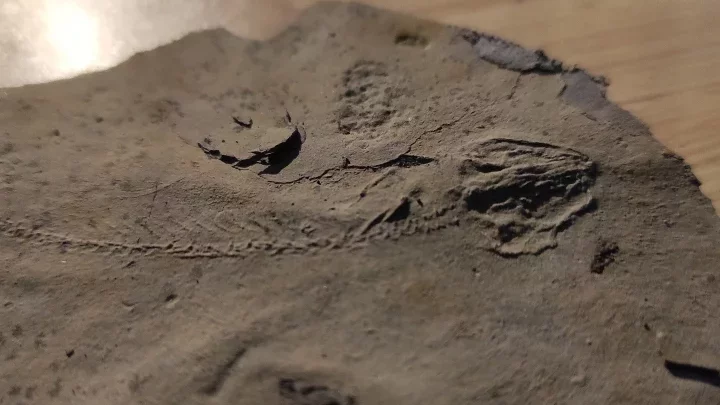 Photo: Institute of Zoology of the Republic of Kazakhstan
They were found thanks to field diaries written half a century ago, Orda.kz reports, citing the Institute of Zoology of the Republic of Kazakhstan.
Background
The latest expedition took place from October 4 to 12 near the village of Kurty in the Almaty region, about 70 kilometers from Almaty.
This is one of the few continental Paleozoic sites in Kazakhstan. The rocks exposed here date back to the Permian period, approximately 280 million years ago. This means that the organisms found in Kurty predate the age of dinosaurs,
The institute says.
The first remains were discovered in the 1960s during geological surveys.
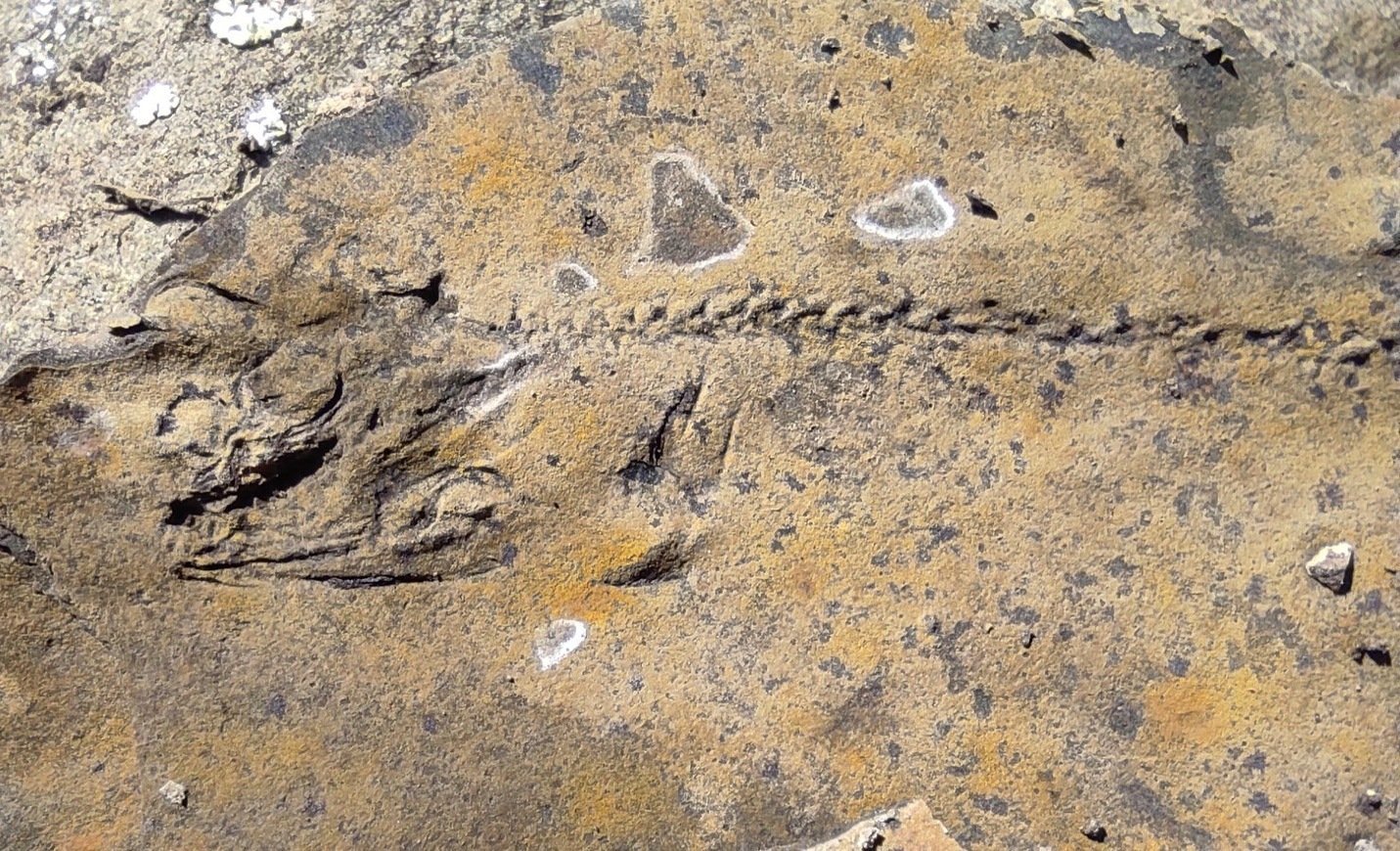
In the 1970s, researchers from the USSR Academy of Sciences’ Paleontological Institute conducted several expeditions, uncovering more than 400 prints of ancient amphibians.
To the researchers' surprise, all the specimens collected turned out to be representatives of a single species, named Utegenia shpinari. The reasons for such limited species diversity, or rather, its complete absence, remain a subject of scientific debate,
experts shared.
After those expeditions, no further research was conducted because the exact coordinates were lost — until now, when they were rediscovered in the old field diaries.
A Return to Kurty
During this first expedition in 50 years, scientists from the Institute of Zoology found around 120 skeletons of ancient amphibians, most likely belonging to Utegenia shpinari.
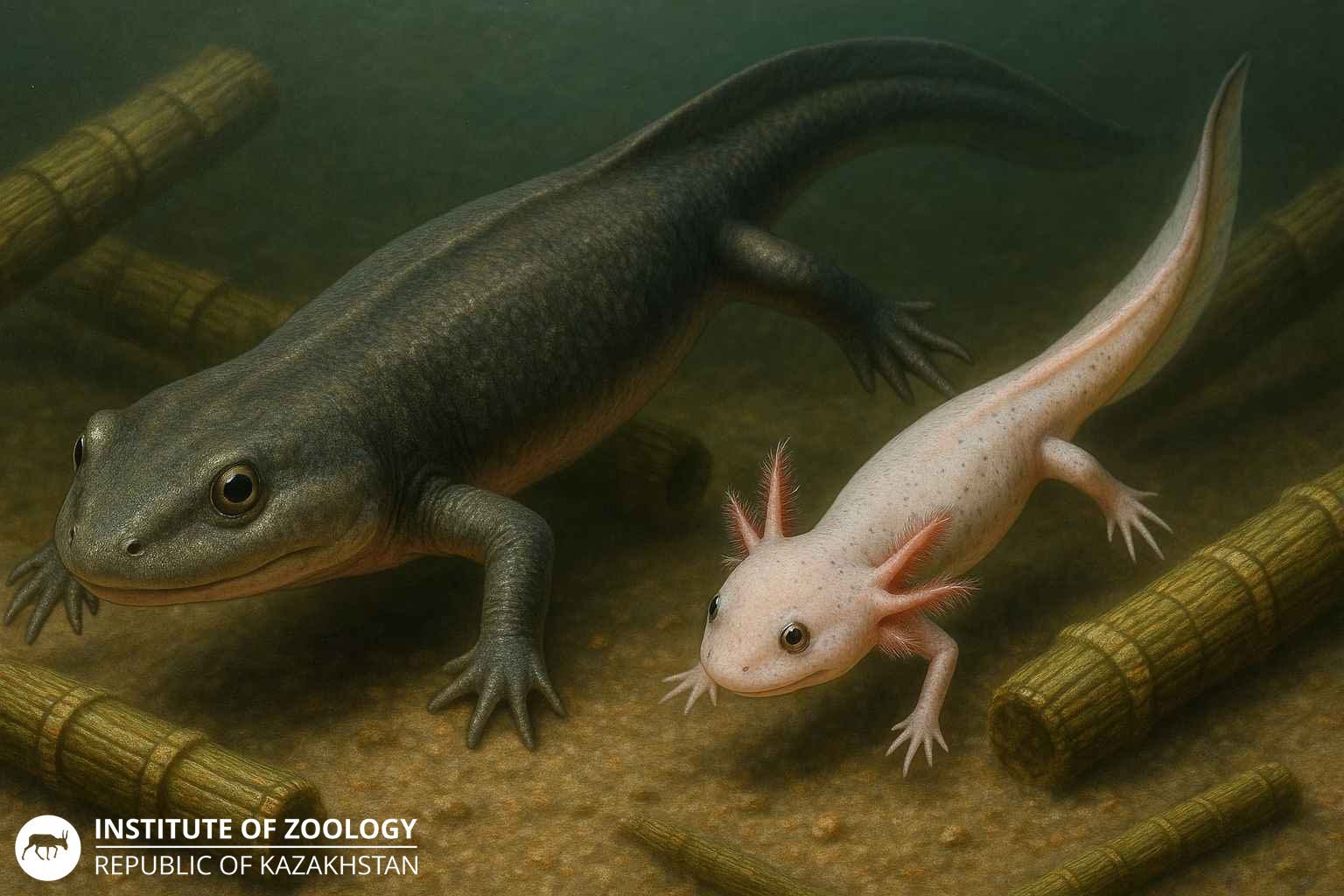
Utegenia were tailed amphibians from the order Seymouriamorpha. They lived in shallow freshwater bodies. Adults reached 30 cm in length and resembled modern newts and salamanders. Juveniles had gills like axolotls,
The institute describes the creatures.
Researchers also discovered imprints of ancient plants, including tree-like horsetails and Calamites.
These are not the first prehistoric finds in Kazakhstan this year — mammoth bones were uncovered in several regions earlier this fall, and dinosaur remains were found in the Qyzylorda region.
Original Author: Igor Ulitin
Latest news
- Orda.kz Editorial Team to Cease Operations on September 1
- The Price of a Degree: How Students in Kazakhstan Pay for University
- Second Przewalski’s Horse Foal Born as Species Returns to Kazakhstan
- Kazakh Mining Companies Can Recalculate Purchases if Tenge Weakens
- Kazakhstan Names First Vice President in Three Decades
- What Almaty’s Bus Shelters Are Missing
- 400-Truck Queue Builds at Kazakh–Kyrgyz Border
- Kazakhstan Ready to Help Feed and Rebuild Gaza
- Tokayev Establishes New Presidential Security Body
- Almaty Takes Back Its Nearly Century-Old Hippodrome
- No More Guesswork on Savings: Kazakhstan Tightens Energy Audits for Businesses
- Public Money Could Be Used to Rescue Failing Kazakh Banks
- Third Kazakh Woman Reported Missing in Nepal-China Flood Zone
- Falconer Convicted Over 35 Protected Birds, Spared Punishment Under Amnesty
- Kazakh Citizen Detained in Yakutia in Phone Fraud Case
- Yuan Instead of Dollars? KazMunayGas Draws Record Demand in Asia
- China Gains Oil-Market Influence as OPEC+ Weakens
- Kazakhstan to Divide Smartphones Into White, Gray and Black Lists
- Kazakhstan’s Government Formally Resigns as First Kurultai Session Opens
- Rare Lynx Sighting Recorded in Northern Kazakhstan
