

Almaty Court Extends Chechen Activist’s Extradition Arrest
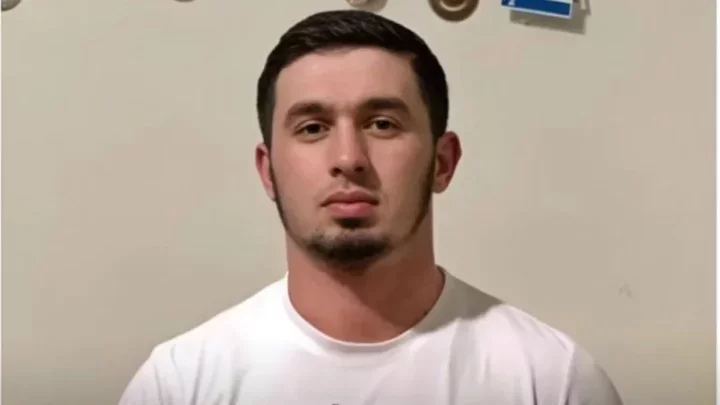 Photo from Murat Adam\'s Facebook page
An Almaty court extended the extradition arrest of Chechen activist Mansur Movlaev without his participation or his lawyers present, Orda.kz reports.
On May 8, the Almaty investigative court extended Movlaev’s extradition arrest for another two months, until July 2026, according to his representatives on social media. The hearing was held without Movlaev and without his lawyers. His defense team called the extension illegal.
According to the lawyers, Article 589 of Kazakhstan’s Criminal Procedure Code allows extradition arrest to be extended after 12 months only in two cases: to arrange extradition or to consider a complaint against an extradition order.
The defense says neither applies in Movlaev’s case. The complaint against the Prosecutor General’s Office decision has already been reviewed, while the Supreme Court has suspended the extradition as the asylum procedure continues, making extradition legally impossible for now.
The court effectively equated the asylum process with an extradition complaint, although these are different legal procedures,the defense said.
The lawyers warned that if Movlaev remains in custody beyond the period allowed by law, they will raise the issue of a violation of Article 9 of the International Covenant on Civil and Political Rights, which protects the right to liberty and prohibits arbitrary detention.
Movlaev was detained in May 2025 at Almaty’s Esentai Mall at Russia’s request. Russia had placed him on an international wanted list.
According to Russian investigators, Movlaev shared information about kidnappings, torture, and fabricated criminal cases in Chechnya with opposition Telegram channels in 2019–2020. He is now accused in a case involving the financing of an extremist community. Human rights defenders say the prosecution is politically motivated.
After Movlaev’s detention, lawyers quickly obtained a power of attorney and filed a refugee-status application on his behalf. On May 21, 2025, Kazakh authorities began reviewing the application. In late 2025, however, the refugee commission rejected it. In early 2026, the Prosecutor General’s Office approved Russia’s extradition request.
Earlier, Orda.kz reported that the UN Human Rights Committee had applied interim measures in Movlaev’s case, barring Kazakhstan from extraditing him until August 24, 2026. Despite this, in February, the court rejected the activist’s appeal against the refusal to grant him asylum. The hearing was held at night and without Movlaev present.
Original author: Ruslan Loginov
Read also:
Latest news
- Orda.kz Editorial Team to Cease Operations on September 1
- The Price of a Degree: How Students in Kazakhstan Pay for University
- Second Przewalski’s Horse Foal Born as Species Returns to Kazakhstan
- Kazakh Mining Companies Can Recalculate Purchases if Tenge Weakens
- Kazakhstan Names First Vice President in Three Decades
- What Almaty’s Bus Shelters Are Missing
- 400-Truck Queue Builds at Kazakh–Kyrgyz Border
- Kazakhstan Ready to Help Feed and Rebuild Gaza
- Tokayev Establishes New Presidential Security Body
- Almaty Takes Back Its Nearly Century-Old Hippodrome
- No More Guesswork on Savings: Kazakhstan Tightens Energy Audits for Businesses
- Public Money Could Be Used to Rescue Failing Kazakh Banks
- Third Kazakh Woman Reported Missing in Nepal-China Flood Zone
- Falconer Convicted Over 35 Protected Birds, Spared Punishment Under Amnesty
- Kazakh Citizen Detained in Yakutia in Phone Fraud Case
- Yuan Instead of Dollars? KazMunayGas Draws Record Demand in Asia
- China Gains Oil-Market Influence as OPEC+ Weakens
- Kazakhstan to Divide Smartphones Into White, Gray and Black Lists
- Kazakhstan’s Government Formally Resigns as First Kurultai Session Opens
- Rare Lynx Sighting Recorded in Northern Kazakhstan
