

26 Years Creating a Unique Garden: Almaty Resident Faces Uncertainty Amid Road Expansion Plans
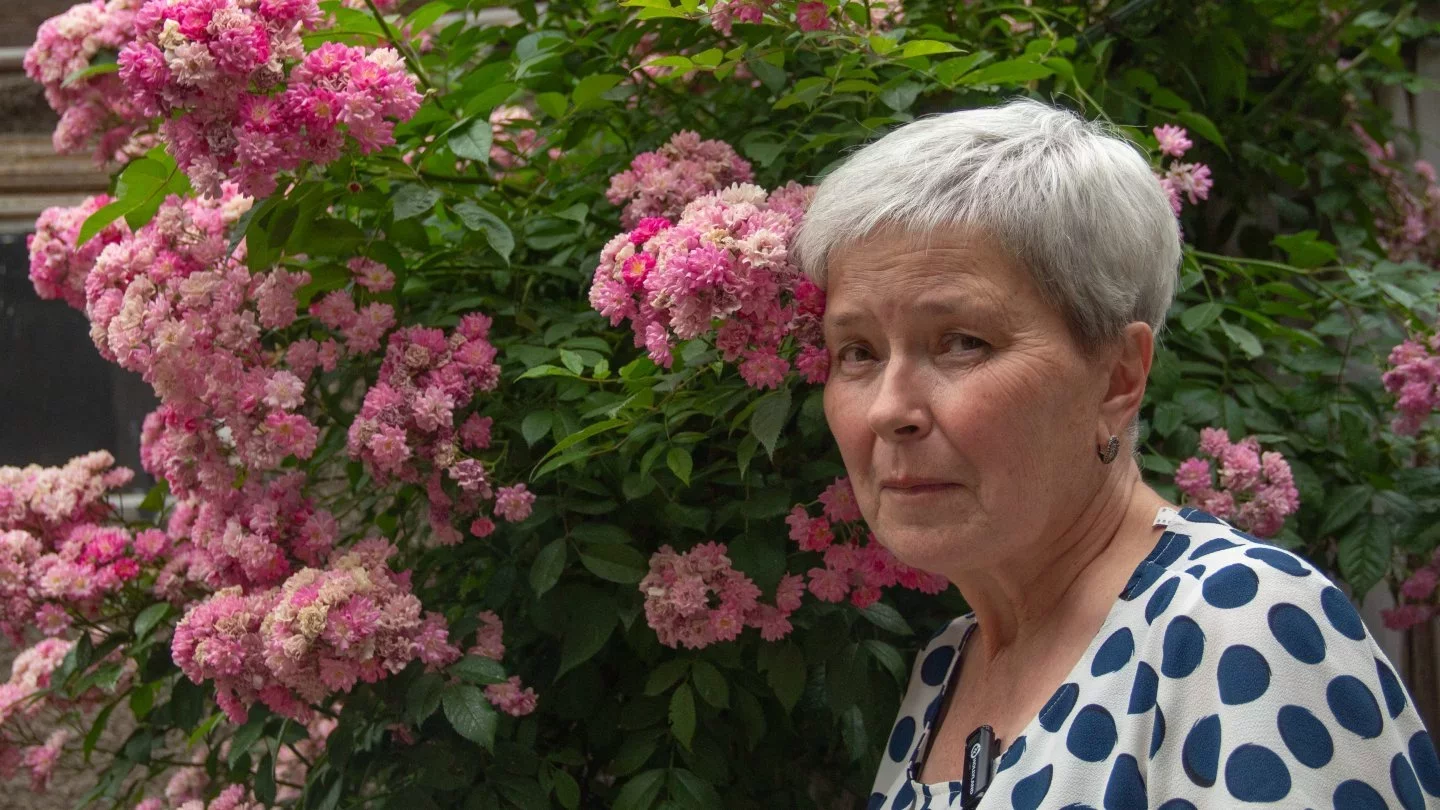
How do you measure 26 years of love, labor, and horticultural expertise poured into a garden that has become the green heart of an old Almaty neighborhood?
For Olga Martynova, a methodologist and collector of rare flowers, this garden has been her life’s work.
Now, not only she, but the entire district lives in uncertainty — rumors, demolition lists, and a lack of transparency have cast a shadow over what may be her garden’s final days, Orda.kz reports.
The story began over 25 years ago, when Olga received a small plot of land from her husband. What started as a hobby quickly turned into a passion.
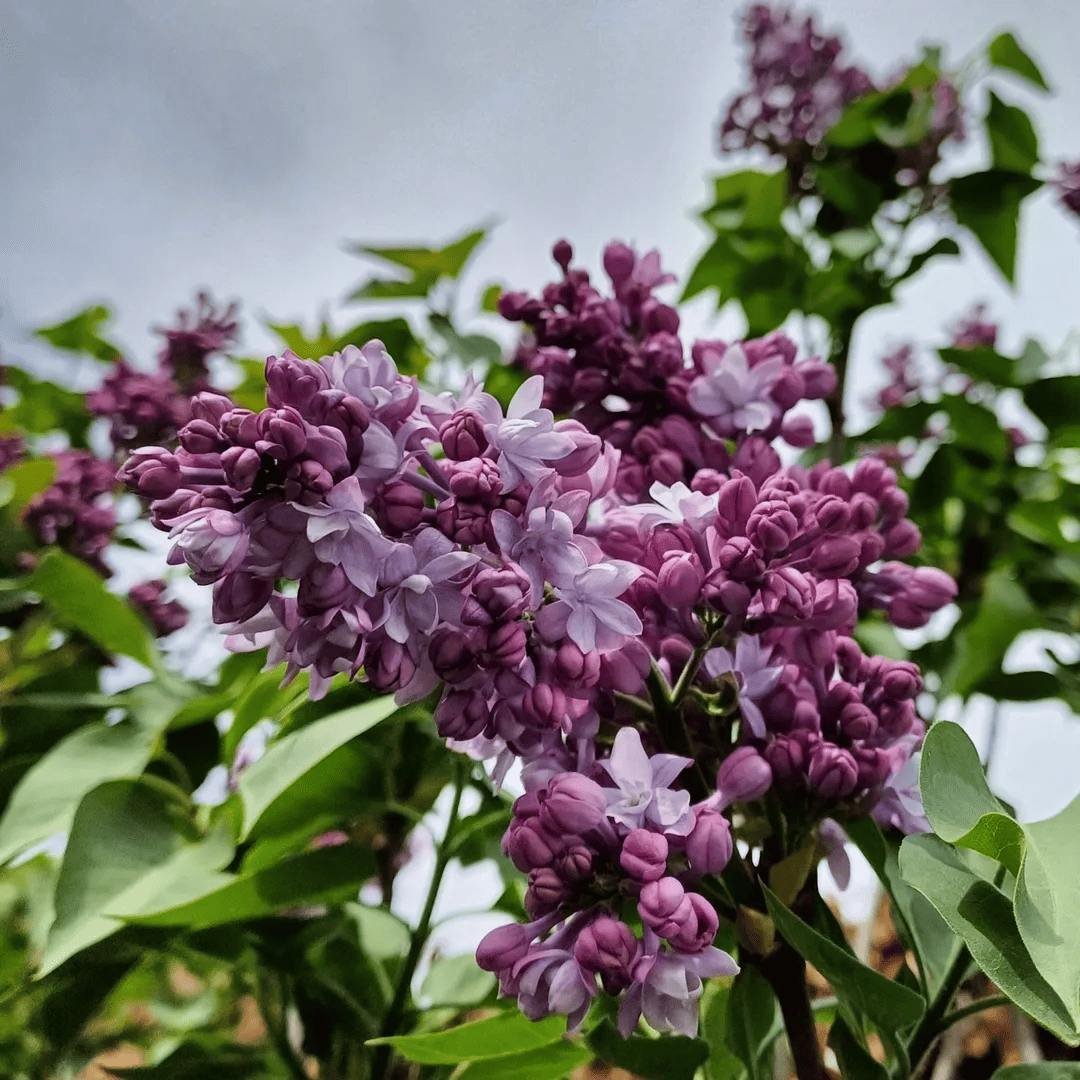
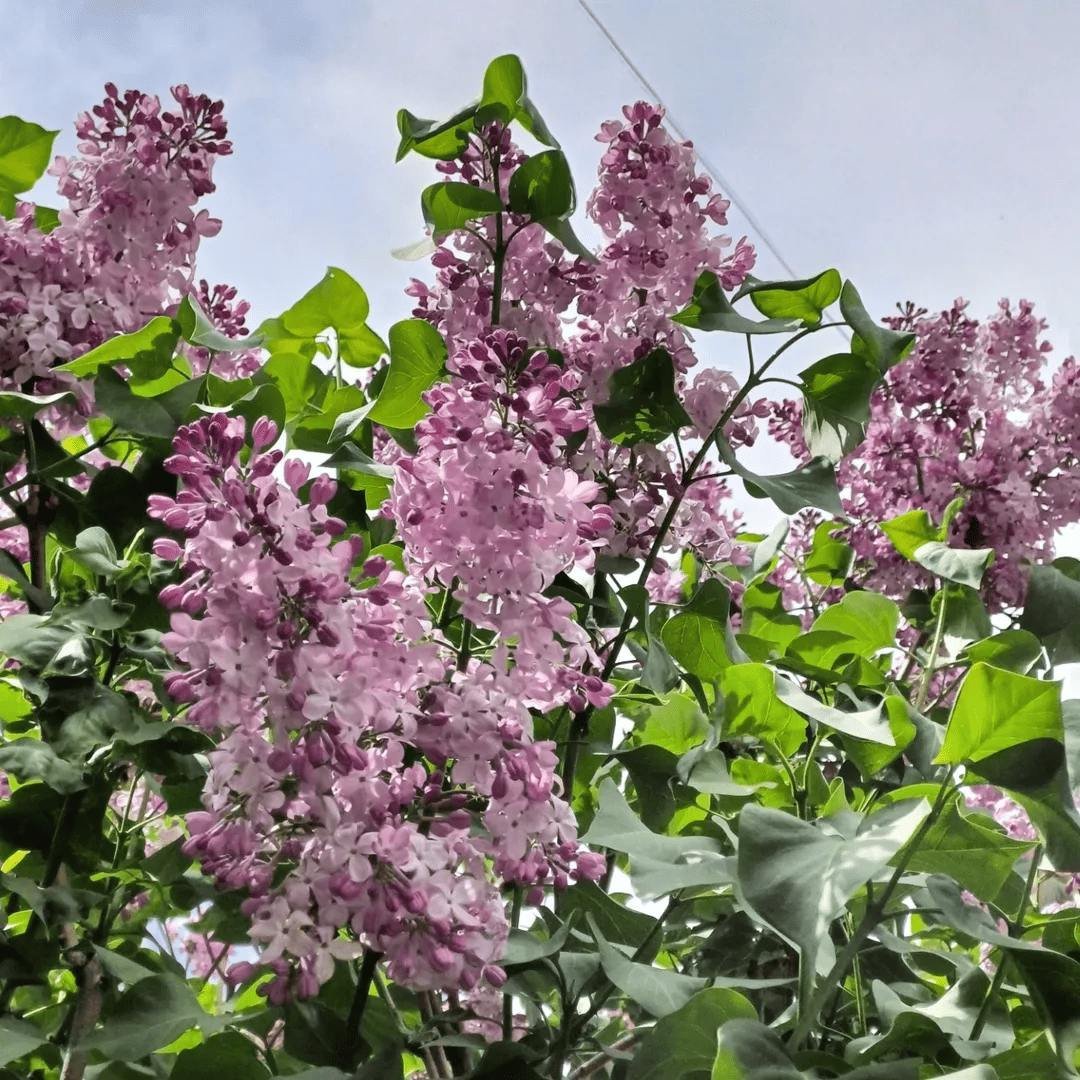
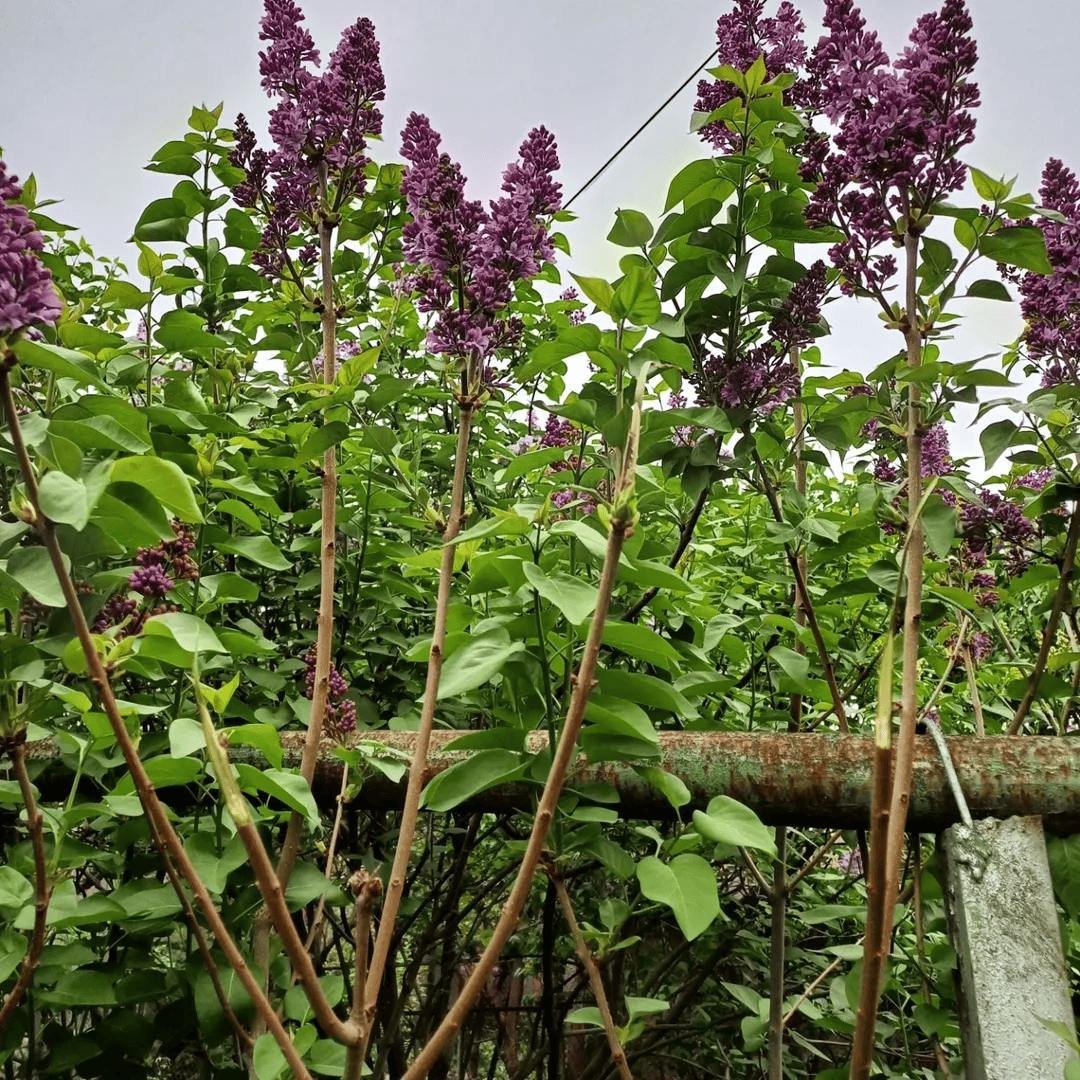
I had completely different interests in life. And then I got married. We lived in the apartment for a year until he said, ‘I can’t take this, let’s move to my land.’ He had this house. We fixed it up a bit, and then he gave me a two-by-three meter plot...I started working on that little patch, and I got hooked! For me, it was something new: I planted something — it grew. I started reading, learning, and meeting amazing people. And now, for five years, I’ve been holding master classes at the Talgar nursery. Olga says.
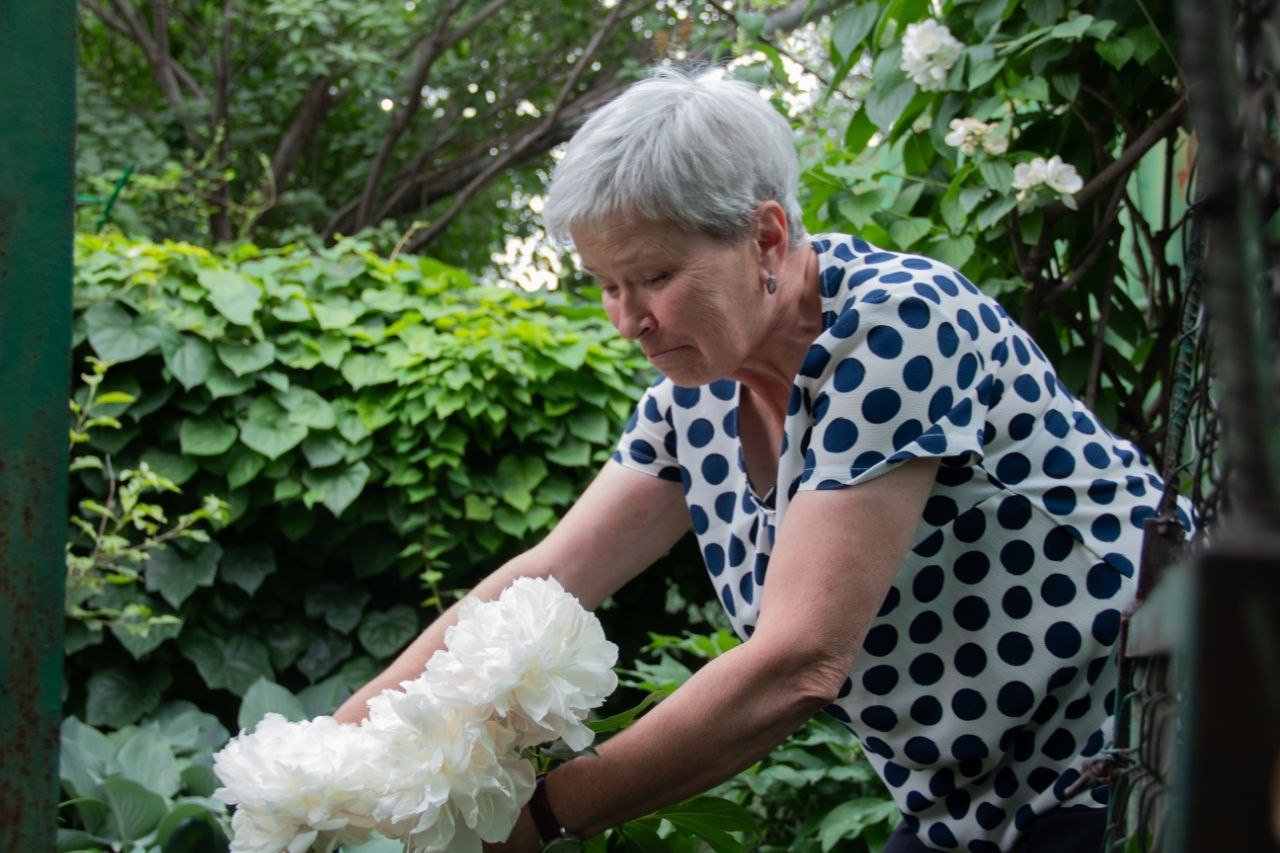
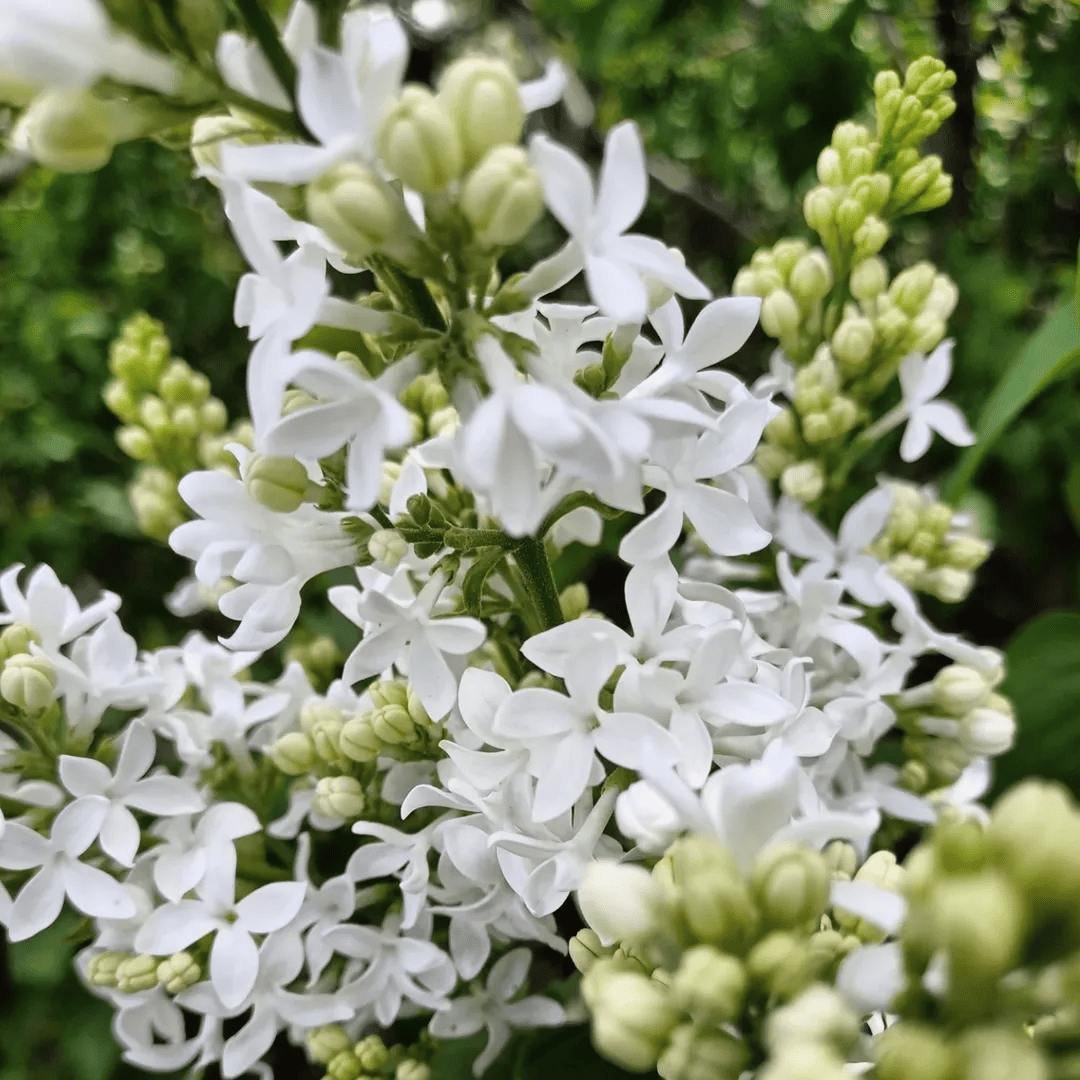
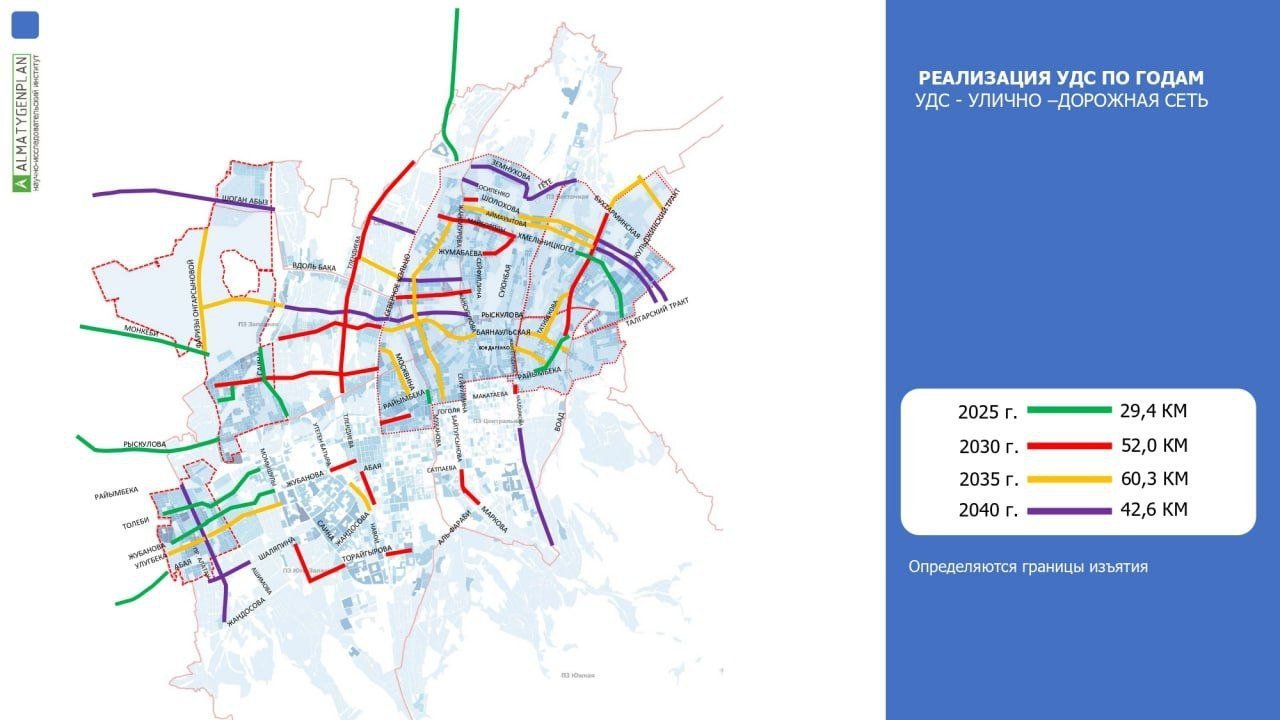
Today, Olga’s garden is home to 346 varietal peony bushes and 51 lilac bushes—many of them rare varieties bred by renowned horticulturists. But this labor of love may soon be destroyed. The city plans to expand Raiymbek Avenue to connect with the Eastern Bypass Road (VOAD), and her home lies in the project’s path.


Back in the early 2000s, a “red line” was already drawn across the property during registration. But at the time, demolition seemed far off.
Everything changed a few years ago when rumors began circulating.
I learned about the road project back in 2006 while doing the paperwork for the house. They drew a line along the fence. But that was a long time ago. Two years ago, it was like a beehive stirred up — people started saying, ‘That’s it, we’re being torn down,’ Olga explains.
On October 21, 2024, the Almaty city administration issued a resolution to begin the forced alienation of land plots and other real estate for state needs.
We found our address on the list. It was upsetting. We could live with a road behind the fence. But to change our place of residence… I’ve lived in the center of Almaty all my life. And now, because of this, I have to leave.


Olga is less worried about the house than the garden, much of which can’t simply be replanted. Many of her plants are over 20 years old.
Lilacs, for example, require digging out a plot at least four meters wide — an expensive and delicate process that offers no guarantee of survival. What’s more, replanting must be done during cold seasons.
That means that the whole process requires planning, specialists, and funding.
Someone told me to contact the Almaty Society of Landscapers. A woman called and said, ‘You understand you can’t replant in summer?’ I told her I know, but something has to be done,Olga says.
The most frustrating part, she says, is the lack of transparency.
The compensation wording is very sly: ‘The price for the land or real estate will be offered.’ What am I supposed to do — put the house in my pocket and leave? And no one even mentioned the plants,she says.
According to Olga, a forensic expert told her, “No one cares about unique plants. According to the pricing guide, a two-meter tree costs this much, and a three-meter one costs that much. Sign here and leave.”
There’s no consideration of the plants’ actual value or how to preserve them.
The decree was issued in the fall, yet no further details have been provided. Residents haven’t even been given a rough estimate of compensation.
I don’t get it. Does the administration think we’ll just pack our bags and line up to leave? We need to know the pricing range we can count on, we need to look for new homes, and make plans. It’s been half a year. That takes time.
Olga’s home is one of 122 plots slated for demolition in this first phase of the road expansion. Land acquisition is also expected in the Malaya Stanitsa area, but no official information has been released yet.
We live in constant tension. Everything feels uncertain. One day it’s rumors, the next day— silence. People are afraid to buy homes. No one knows when we’ll be evicted, or for how much,she says.
Some neighbors have submitted their documents, but still haven’t received a response. The sense of helplessness continues to grow.
“It’s been six months. No decision. And we have to search for housing and move — that costs money, and takes a toll on our health too.”


Opinions among district residents are divided.
Some have already resigned themselves to their fate, waiting for the bulldozers to arrive.
Others are adamant:
“We won’t go anywhere until they show up with equipment.”
Some even support the demolition, hoping for better infrastructure. But many — especially elderly residents — fear losing not just their homes, but their way of life. “It’s not easy to survive a move. Some people are fine living in a birdhouse, but I want to live on my own land. Why should I have to leave?”
I understand that the city is expanding. I understand the need for transport interchanges. But the way this is being handled is completely thoughtless. You can’t treat people like this. I’m already sick from the stress — when are you going to tear us down?Olga resumes.
Her story is just one of many.
Across Almaty, dozens — if not hundreds — of families now live in a state of uncertainty due to road expansion projects. Urban development is necessary. But when modernization comes without transparency, clear deadlines, or fair compensation, it feels like a personal tragedy for ordinary citizens.
That anxiety is shared by those already listed for property buyouts and those who suspect their homes may be next, especially in the case of the Raiymbek Avenue connection to the VOAD.
Beyond personal impact, there are also doubts about the effectiveness of the project.
According to current plans, the connection will run through the Kuldzha Ring, one of the city’s most congested traffic zones, notorious for daily gridlock.
Original Author: Daria Sidorova
Latest news
- Eyewitnesses Share Photos of Kazakh Citizens’ Evacuation
- Tokayev Orders Tighter Security for Kazakhstan’s Critical Infrastructure
- Semey Teen Convicted Over Telegram Chat Targeting Foreign Students
- Gender Equality Index 2025: Is Kazakhstan Leading in the Region?
- UNICEF Highlights Children’s Digital Rights in Draft Constitution of Kazakhstan
- Kazakhstani Journalists Returning From Ukraine Detained at Astana Airport
- Kazakhstan Prosecutor Opposes Deportation of 16-Year-Old Russian Teen
- Russian TV Channels Taken Off Air in Kazakhstan
- Mistaken Claim? Kazakhstan Denies $1B Contribution to the Board of Peace
- How many Kazakhstanis remain in the Middle East — MFA
- Kazhydromet Warns of High Flood Risk in Five Regions in 2026
- MP Calls for Prosecutor Review of Kazakhstanis’ Dubai Property
- Kazakhstan Moves to Legalize Private Detective Work
- Kazakhstan to Extend Gas Export Ban for Six More Months
- Majilis MP Calls to Soften Liability for Kazakhstanis Drawn into Foreign Wars for Pay
- The Delivery of 51 Stadler Passenger Coaches Has Been Delayed
- Kazakhstan Returns Nearly 1,000 Citizens From the Middle East
- Damaged Baikonur Launch Pad Facility Restored After 2025 Collapse
- A Rare Black Melanist Wolf Was Shot in Eastern Kazakhstan
- Kazakhstan Maintains Neutral Stance on Middle East Escalation
