

Water Crisis in Shardara and Qyzylorda: Why the Reservoir Is on the Brink of Running Dry
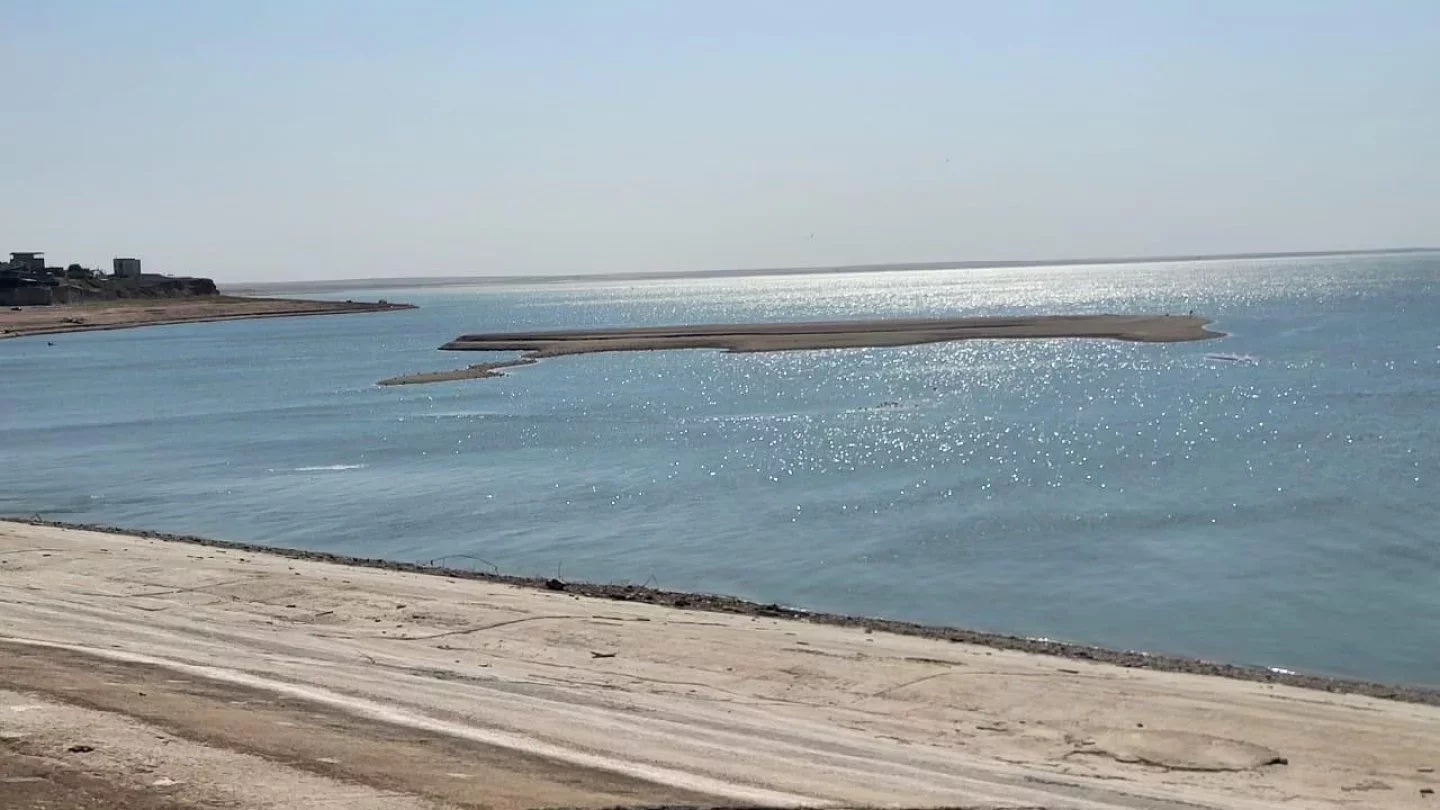 Photo: Orda.kz
The main water source for the region is on the verge of depletion. The Shardara Reservoir supplies drinking water to 32,000 city residents and irrigates farmland in the Turkistan and Qyzylorda Regions.
But today, this strategic facility is in critical condition — and the problem lies not only in nature, but also in decision-making, Orda.kz reports.
How It All Began
At the start of 2025, the situation at the Shardara Reservoir looked fairly positive. Water volume stood at 4.4 billion cubic meters — even more than the previous year, when the region was already facing shortages.
According to experts, with proper management and coordinated operation of hydraulic structures, as much as 5.2 billion cubic meters could have been stored by the start of the irrigation season. That would have allowed the region to get through spring and summer without serious disruptions, even with reduced inflows.
However, by April — when large-scale irrigation began — the reservoir held just 4.5 billion cubic meters. The region was already short about 700 million cubic meters at the start of the season — enough to fully irrigate tens of thousands of hectares of fields or supply major cities for several months.
This was the first warning sign that the coming months would be tense and could lead to a severe shortage.
By the end of April, the water level had fallen to critical levels — only 15% of total capacity. The reasons became clear after reviewing documents and Minutes from the Interstate Commission for Water Coordination (ICWC)
Releases Beyond the Agreement
On April 5, 2025, the Interstate Commission for Water Coordination (ICWC) met to allocate how much water each country would receive from the Syr Darya and Amu Darya rivers during the growing season. Kazakhstan was allotted just 909 million cubic meters from the Syr Darya via the Dustlik Canal.
By comparison:
- Uzbekistan — 8.8 billion cubic meters
- Tajikistan — 1.9 billion cubic meters
- Kyrgyzstan — 270 million cubic meters
At the time, inflows into Shardara for the season were forecast at 3.1–3.6 billion cubic meters. Those estimates formed the basis for the allocations. But in summer, it became clear that actual inflows were far lower than expected.
As a result, there wasn’t enough water to keep the reservoir at normal levels, let alone fully supply farmland and households.
Early in the year, inflow exceeded 1,000 cubic meters per second. In February, it was 900; in March, 500. But from April 19, flows began dropping — first to 320, then to 73 cubic meters per second. By June, only 31 cubic meters per second were reaching the reservoir, and in July — just 42. In effect, the water stopped coming.
The deficit is now being felt: agriculture in the Turkistan Region is experiencing interruptions, as is Shardara itself.
For the city, this is a double blow — reduced water for household use and reduced supply to the Shardara Hydroelectric Power Station, impacting both the energy sector and fish populations in the reservoir.
The ICWC’s spring decisions — based on optimistic forecasts — have worsened the situation.
The lack of flow, combined with water redistribution under the approved limits, is also hitting Qyzylorda. There, falling Syr Darya levels and reduced supply threaten both agriculture and urban water security. If current inflow rates persist, risks to the region will continue to grow.
Illegal Water Intake
On a 15-kilometer stretch of the Syr Darya between the hydropost and the Shardara Reservoir, authorities found at least seven pumping units operating without permits.
These pumps diverted water outside official records and beyond the legally set distribution limits. Experts estimate these unauthorized intakes alone could remove tens of millions of cubic meters in a single season.


To put that into perspective: this volume could supply several districts during peak irrigation or partially offset the deficit in Qyzylorda. The problem is not only that the intakes were illegal, but that they were operating during an already critically low inflow.
Every cubic meter taken illegally directly reduced Shardara’s reserves, making it harder to keep water flowing to the canals that serve farmland and communities downstream.
Rice Fields Defying Bans
Amid the acute shortage, the Ministry of Agriculture at the start of the season recommended limiting moisture-intensive crops, particularly rice. Irrigating one hectare of rice consumes several times more water than most other crops, and in a dry year, such planting becomes unaffordable.
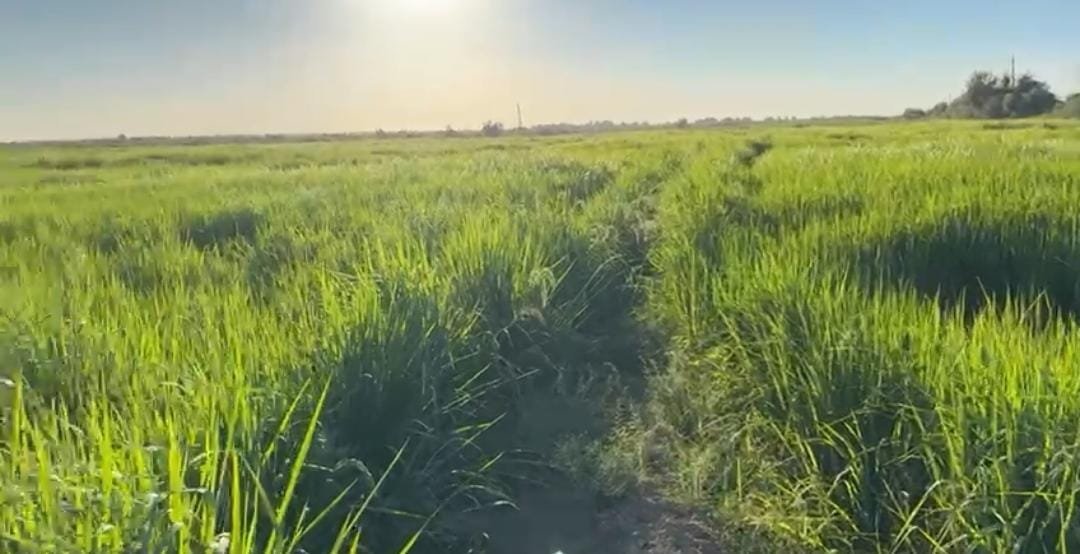
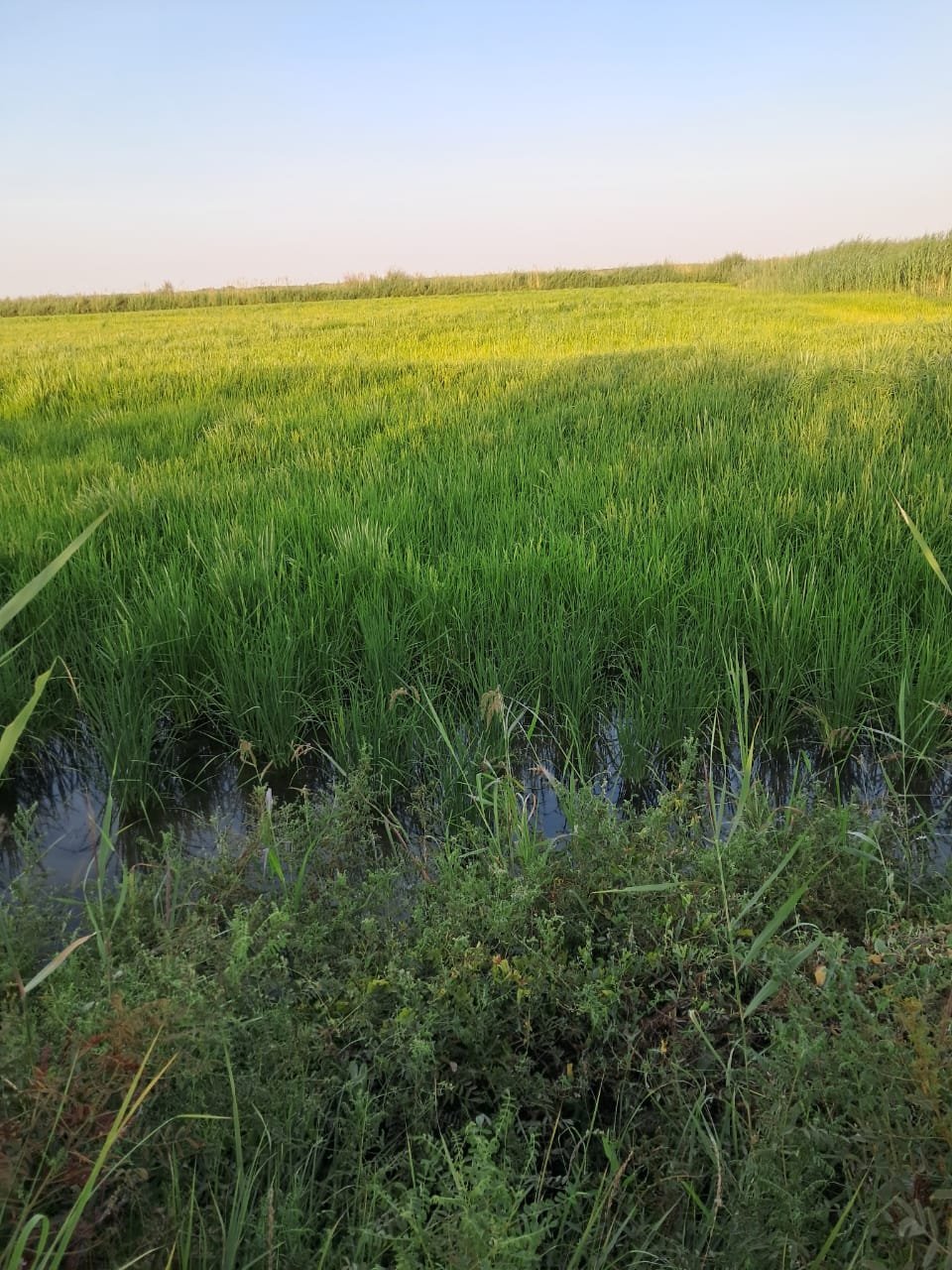
Despite this, rice planting in the Turkistan Region ended up being double the planned area: instead of the planned 6,600 hectares, 13,100 were sown. More than a thousand water-supply contracts — 1,032 in total — were signed without approval from the Akimat.
After receiving contracts from RSE KazVodKhoz, farmers believed their fields would be guaranteed irrigation water for the entire season and began actively planting rice. Many later admitted that without such contracts, they would have chosen less water-intensive crops — a choice that could have significantly reduced the strain on the Shardara Reservoir and its canals.
It’s important to note that RSE KazVodKhoz falls under the jurisdiction of the Ministry of Water Resources and Irrigation of the Republic of Kazakhstan, which also manages the Shardara Reservoir.
This agency decides how water is distributed, its inflows and discharges, and what volumes are allocated for irrigation versus being sent to other regions or reservoirs.
By district:
- Maktaaral district — 5,178 hectares
- Jetisay district — 1,518 hectares
- Shardara district — 6,453 hectares
Such an expansion of rice cultivation during a low-water year placed additional pressure on the Shardara Reservoir and the canals leading to Qyzylorda. In normal years, surplus water might have offset the overconsumption, but in 2025 every extra thousand hectares of rice meant millions of cubic meters lost to other crops and communities.
As a result, rice fields received priority in water allocation, while remaining farms and villages began to feel the shortage sharply.
A Critical August Situation
As of August 13, the Shardara Reservoir held only 232 million cubic meters of water — 1.127 billion less than planned. The release quota to the Qyzylqum Main Canal was almost fully used — 95% already gone. Irrigation for 7,000 hectares of cotton and 2,000 hectares of rice, along with uninterrupted drinking water for tens of thousands of residents, is now at risk.
More than 10 species of commercial fish inhabit the Shardara Reservoir, with a total biomass of about 10,800 tons. If the water level drops below 200 million cubic meters, roughly 2,000 tons of fish could die. Such a blow to the ecosystem would halt fishing for at least five years — the time needed to restore stocks and spawning grounds.
Planned fish stocking has already been suspended; in 2025, 740,000 fry were supposed to be released, but the program was frozen. In natural conditions, only 10% of fry survive, meaning losses will be irreversible in the short term.
The Shardara Hydroelectric Power Station supplies electricity to much of southern Kazakhstan, including rural areas of the Turkistan Region and part of Shymkent. Under normal water levels, it generates over 100 megawatts — enough to ensure stable power for hundreds of thousands of people.
But with water levels now critically low, output could drop several times over, to the point where the station can barely keep its own systems running and provide minimal supply to the grid.
Origins
This is the result not only of natural factors like drought and extreme heat, but also of management failures. Excessive water discharges, illegal pumping, and doubling rice acreage during a shortage have together pushed the region into a water crisis. Without urgent action and strict control over water use, Shardara could reach autumn with minimal reserves and face a genuine socio-economic emergency.
The situation with water supply and the management of the Shardara Reservoir raises serious questions for the Ministry of Water Resources and Irrigation — from water allocation and usage to decision-making during low-water conditions.
Soon, we will be submitting an official request to the ministry for clarification of the situation.
Original Author: Alexandra Kim
Latest news
- How Kazakhstan, Uzbekistan, And Azerbaijan Will Export Electricity To Europe
- Kazakhstan Explains How Russians Who Fled Mobilization Can Be Deported
- Kazakhstan and Japan discuss hydrogen partnership with export potential
- Russia Thanks Tokayev for Initiative to Support Russian Language
- Almaty Could Restrict Cars Under Beijing-Style Anti-Smog Plan
- Tigers in Kazakhstan Are in No Rush to Breed
- What Changes Are Being Prepared Under the New Tax Code
- Alcohol and Tobacco Prices in Kazakhstan See Sharpest Monthly Rise in 15 Years — Analysts
- Middle East Conflict Will Not Lead to Higher Gasoline Prices in Kazakhstan — Minister
- Five Regions of Kazakhstan Face Higher Flood Risk This Spring
- Kazakhstan Ratifies Turkic States Civil Protection Deal
- Astana Enters Top 100 Safest Cities as Smart City Project Expands
- Almaty Cameras to Record New Driver Violations Starting March 12
- Kazakhstan Suspended 11 Polling Stations Abroad Due to Middle East Escalation
- Kazakhstan’s Foreign Ministry Comments on Disappearance of Citizen After South Korea Factory Fire
- ChatGPT Among AI Tools Recommended for School Lessons in Kazakhstan
- Missing Kazakh Woman Found in Vietnam Four Days Later
- Seven-Year-Old Kazakh Girl Returned From Georgia Following Six Months of Diplomatic Efforts
- Kazakhstan Plans to Rent 11 Helicopters for 22 Billion Tenge Ahead of the Fire Season
- Flights Delayed and Canceled at Astana Airport Due to Bad Weather
