

Uzbekistan, Afghanistan Launch Joint Energy Projects to Boost Power Supply
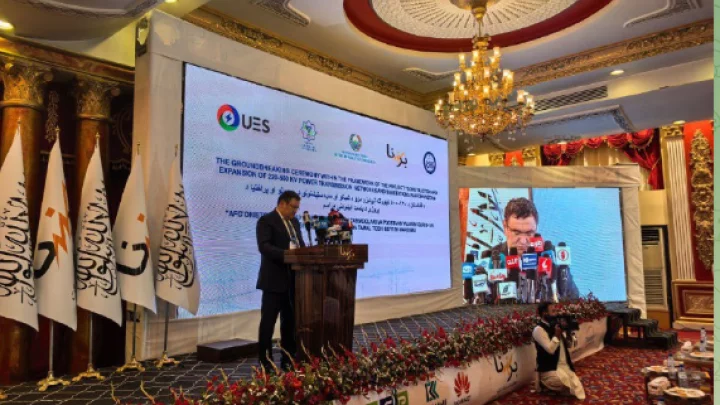 Photo: minenergy_uz
The first Conference on Investment and Support for Afghanistan’s Energy Sector was held in Kabul on September 6, the Uzbek Ministry of Energy reported, Orda.kz reports.
The event gathered Afghan government officials, energy delegations from Uzbekistan, Turkmenistan, and Tajikistan, as well as representatives of international organizations and diplomatic missions, writes Gazeta.uz.
According to Afghan Deputy Prime Minister for Economic Affairs Abdul Ghani Baradar Akhund, memorandums were signed for 9,123 MW of power generation, energy infrastructure development, and contracts for 284 MW between state utility Da Afghanistan Breshna Sherkat (DABS) and investors.
A financial agreement was also signed for the construction of 220–500 kV transmission lines and substations, officially launching the project.
On August 17, Uzbekistan signed investment deals with Afghanistan totaling $250 million, including:
- Construction of the 500 kV Surkhan–Pul-i-Khumri transmission line (200.6 km) and expansion of the Khoja-Alvan substation
- Expansion of the Arganda substation to 500/220 kV with capacity increased to 800 MVA
- Construction of a new 220 kV double-circuit line (125 km) from Buthak (Kabul) to Sheikh Misri (Nangarhar)
- Construction of the 220 kV Sheikh Misri substation with capacities of 2×25 MVA and 2×40 MVA
These projects are scheduled for completion by April 1, 2027. The ministry noted it will deepen Uzbekistan’s energy partnership with Afghanistan.
The Uzbek Ministry of Energy also confirmed readiness to assist in modernizing Afghanistan’s distribution networks, introducing smart metering, improving sector transparency, and ensuring reliable supply through technical expertise. Financing details, however, remain undisclosed.
As Gazeta.uz reports, Baradar emphasized Afghanistan’s vast reserves of water, wind, and solar energy, saying their use would ensure energy self-sufficiency and enable electricity exports.
Uzbekistan has supplied electricity to Afghanistan since 2002 and extended its export agreement through 2025.
Afghanistan imports about 80% of its power from Uzbekistan, Tajikistan, Turkmenistan, and Iran, with the rest generated domestically.
Latest news
- Orda.kz Editorial Team to Cease Operations on September 1
- The Price of a Degree: How Students in Kazakhstan Pay for University
- Second Przewalski’s Horse Foal Born as Species Returns to Kazakhstan
- Kazakh Mining Companies Can Recalculate Purchases if Tenge Weakens
- Kazakhstan Names First Vice President in Three Decades
- What Almaty’s Bus Shelters Are Missing
- 400-Truck Queue Builds at Kazakh–Kyrgyz Border
- Kazakhstan Ready to Help Feed and Rebuild Gaza
- Tokayev Establishes New Presidential Security Body
- Almaty Takes Back Its Nearly Century-Old Hippodrome
- No More Guesswork on Savings: Kazakhstan Tightens Energy Audits for Businesses
- Public Money Could Be Used to Rescue Failing Kazakh Banks
- Third Kazakh Woman Reported Missing in Nepal-China Flood Zone
- Falconer Convicted Over 35 Protected Birds, Spared Punishment Under Amnesty
- Kazakh Citizen Detained in Yakutia in Phone Fraud Case
- Yuan Instead of Dollars? KazMunayGas Draws Record Demand in Asia
- China Gains Oil-Market Influence as OPEC+ Weakens
- Kazakhstan to Divide Smartphones Into White, Gray and Black Lists
- Kazakhstan’s Government Formally Resigns as First Kurultai Session Opens
- Rare Lynx Sighting Recorded in Northern Kazakhstan
