

Unique Sarmatian Treasures Discovered in Atyrau region
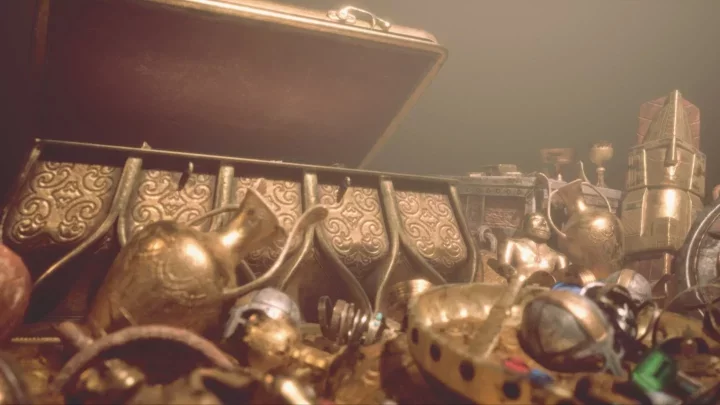 Photo: Elements.envato.com, ill. purposes
Archaeologists reported the results of excavations of the burial mounds "Karabau-2," "Karakuduk-1," and "Karakuduk-2," Orda.kz reports.
The "Karabau-2" burial mound, located 10 kilometers north of the village with the same name, stands three meters tall with a diameter of 70 meters.
According to the Akimat of Atyrau region, archaeologists examined nine burials, seven of which were intact.
Dating back to the 5th century BC, the tombs revealed that some contained multiple burials.
Among the artifacts were jewelry, weapons, ceramic vessels, and human remains. According to archaeologists, the burials were "royal tents" due to the sophistication of the objects and jewelry.
Researchers concluded that the Caspian Lowlands, the Jaiyq River, and the area near the Zhem River formed the heart of the Sarmatian Empire. Among the thousand artifacts unearthed, around a hundred were gold ornaments and jewelry crafted in an animalistic style.
During the excavations, we discovered two wooden bowls unlike any found before. They are now undergoing restoration, said Marat Kasenov, head of the archaeological team.
Archaeologists discovered silver pictograms depicting wolves and saigas, iron and bronze weapons, jewelry, and household items at the "Karakuduk-1" and "Karakuduk-2" burial mounds, located nine kilometers northwest of Karabau village.
At 'Karabau-2,' we found two touchstones with gold handles—an unprecedented discovery in Kazakhstan. The Sarmatians used these stones to test the quality of gold, a method still employed in the modern jewelry trade,explained Galamat Bazarbayev, head of the archaeological research department at the Atyrau Regional Museum of History and Local Lore.
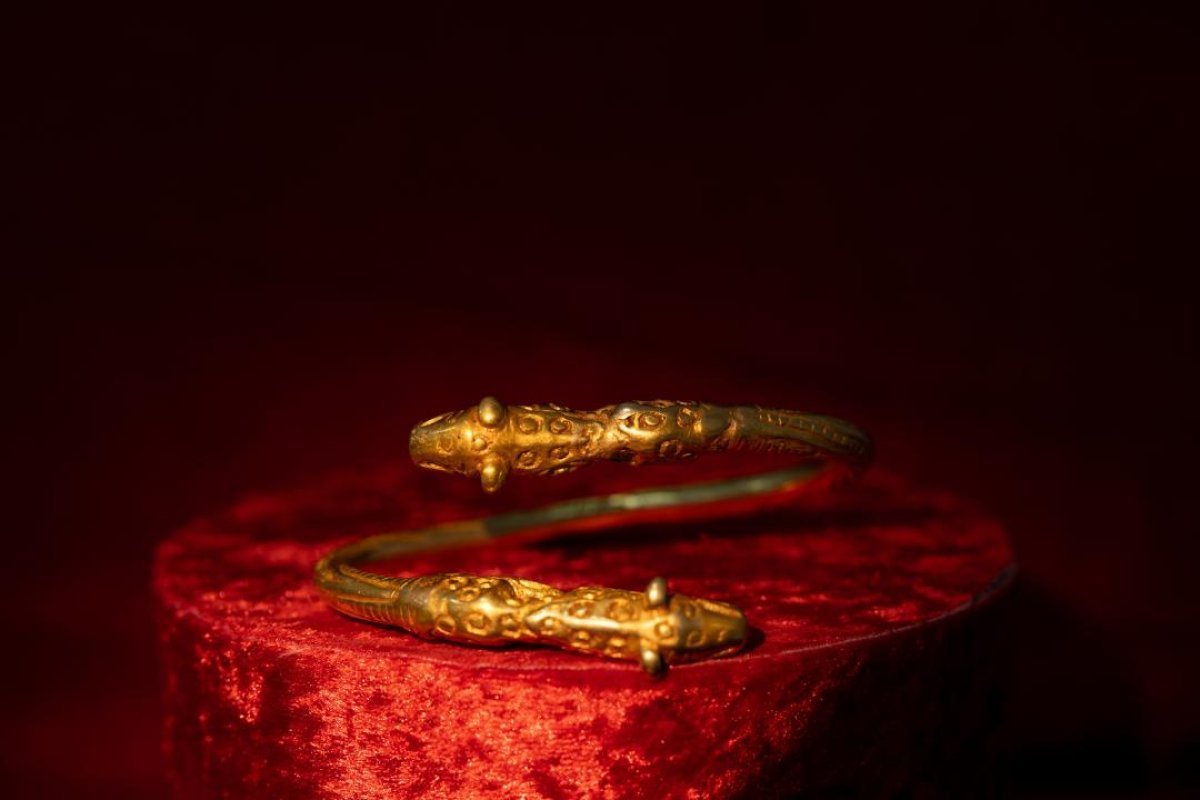
Other notable discoveries included gold appliqués for clothing and a gold bracelet weighing 370 grams, featuring a mountain leopard motif that bears similarities to modern jewelry.
According to archaeologists, about 500 Sarmatian tents have been found in the Atyrau region.
Original Author: Alexandra Mokhireva
Latest news
- Orda.kz Editorial Team to Cease Operations on September 1
- The Price of a Degree: How Students in Kazakhstan Pay for University
- Second Przewalski’s Horse Foal Born as Species Returns to Kazakhstan
- Kazakh Mining Companies Can Recalculate Purchases if Tenge Weakens
- Kazakhstan Names First Vice President in Three Decades
- What Almaty’s Bus Shelters Are Missing
- 400-Truck Queue Builds at Kazakh–Kyrgyz Border
- Kazakhstan Ready to Help Feed and Rebuild Gaza
- Tokayev Establishes New Presidential Security Body
- Almaty Takes Back Its Nearly Century-Old Hippodrome
- No More Guesswork on Savings: Kazakhstan Tightens Energy Audits for Businesses
- Public Money Could Be Used to Rescue Failing Kazakh Banks
- Third Kazakh Woman Reported Missing in Nepal-China Flood Zone
- Falconer Convicted Over 35 Protected Birds, Spared Punishment Under Amnesty
- Kazakh Citizen Detained in Yakutia in Phone Fraud Case
- Yuan Instead of Dollars? KazMunayGas Draws Record Demand in Asia
- China Gains Oil-Market Influence as OPEC+ Weakens
- Kazakhstan to Divide Smartphones Into White, Gray and Black Lists
- Kazakhstan’s Government Formally Resigns as First Kurultai Session Opens
- Rare Lynx Sighting Recorded in Northern Kazakhstan
