

Türkiye: Protests Ongoing, Lira Tumbles
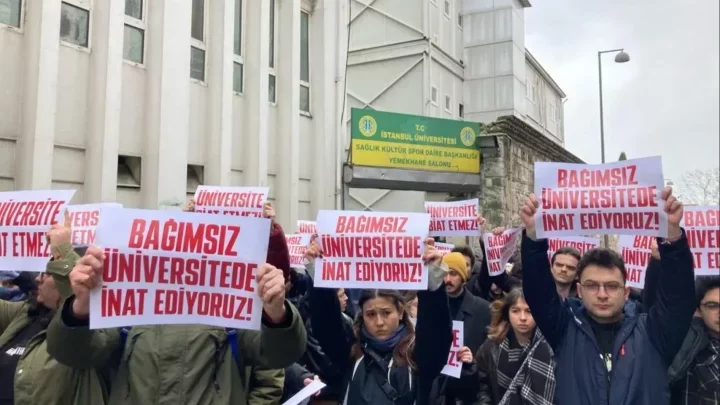 Photo: BirGün
Mass protests are ongoing in Türkiye following the arrest of Istanbul Mayor Ekrem İmamoğlu, a prominent opposition figure and potential presidential contender against President Recep Tayyip Erdoğan, Orda reports.
Detained on charges of corruption and alleged ties to terrorist organizations, İmamoğlu's supporters view the arrest as a politically motivated move to eliminate Erdoğan's chief rival ahead of upcoming elections.
Thousands have taken to the streets in major cities, including Istanbul, Ankara, and İzmir, defying bans on public gatherings.
Protesters accuse the government of undermining democratic principles and are demanding İmamoğlu's immediate release. The demonstrations have attracted a diverse coalition of participants, from students and legal professionals to civil society representatives.
Law enforcement has responded with force, deploying tear gas and water cannons to disperse crowds, leading to numerous arrests. The situation remains particularly tense in central Istanbul, where protesters continue to rally near the municipal building despite heavy police presence.
Özgür Özel, leader of the Republican People's Party (CHP), has openly endorsed the protests, urging citizens to mobilize in support of İmamoğlu.
Similarly, Ankara Mayor Mansur Yavaş has expressed solidarity with his detained colleague.
President Erdoğan has dismissed the protests as "political theatrics," accusing the opposition of attempting to destabilize the nation. He criticized the CHP for what he described as deceptive tactics aimed at obscuring their own shortcomings.
International reactions have been swift. The European Union has called on Türkiye to uphold principles of transparency and the rule of law, emphasizing that, as a candidate country for EU membership and a Council of Europe member, Türkiye is expected to adhere to high democratic standards.
The Turkish lira has depreciated significantly, reaching a record low against the dollar. In response, the Central Bank of Türkiye intervened by selling substantial amounts of foreign currency in an attempt to stabilize the market.
The situation continues to evolve, with nationwide protests persisting and the government's stance remaining firm.
Original Author: Zarina Fayzulina
Latest news
- Orda.kz Editorial Team to Cease Operations on September 1
- The Price of a Degree: How Students in Kazakhstan Pay for University
- Second Przewalski’s Horse Foal Born as Species Returns to Kazakhstan
- Kazakh Mining Companies Can Recalculate Purchases if Tenge Weakens
- Kazakhstan Names First Vice President in Three Decades
- What Almaty’s Bus Shelters Are Missing
- 400-Truck Queue Builds at Kazakh–Kyrgyz Border
- Kazakhstan Ready to Help Feed and Rebuild Gaza
- Tokayev Establishes New Presidential Security Body
- Almaty Takes Back Its Nearly Century-Old Hippodrome
- No More Guesswork on Savings: Kazakhstan Tightens Energy Audits for Businesses
- Public Money Could Be Used to Rescue Failing Kazakh Banks
- Third Kazakh Woman Reported Missing in Nepal-China Flood Zone
- Falconer Convicted Over 35 Protected Birds, Spared Punishment Under Amnesty
- Kazakh Citizen Detained in Yakutia in Phone Fraud Case
- Yuan Instead of Dollars? KazMunayGas Draws Record Demand in Asia
- China Gains Oil-Market Influence as OPEC+ Weakens
- Kazakhstan to Divide Smartphones Into White, Gray and Black Lists
- Kazakhstan’s Government Formally Resigns as First Kurultai Session Opens
- Rare Lynx Sighting Recorded in Northern Kazakhstan
