

Toqayev’s U.S. Visit Brings $5.2 Billion in Deals — But Who Benefits More?
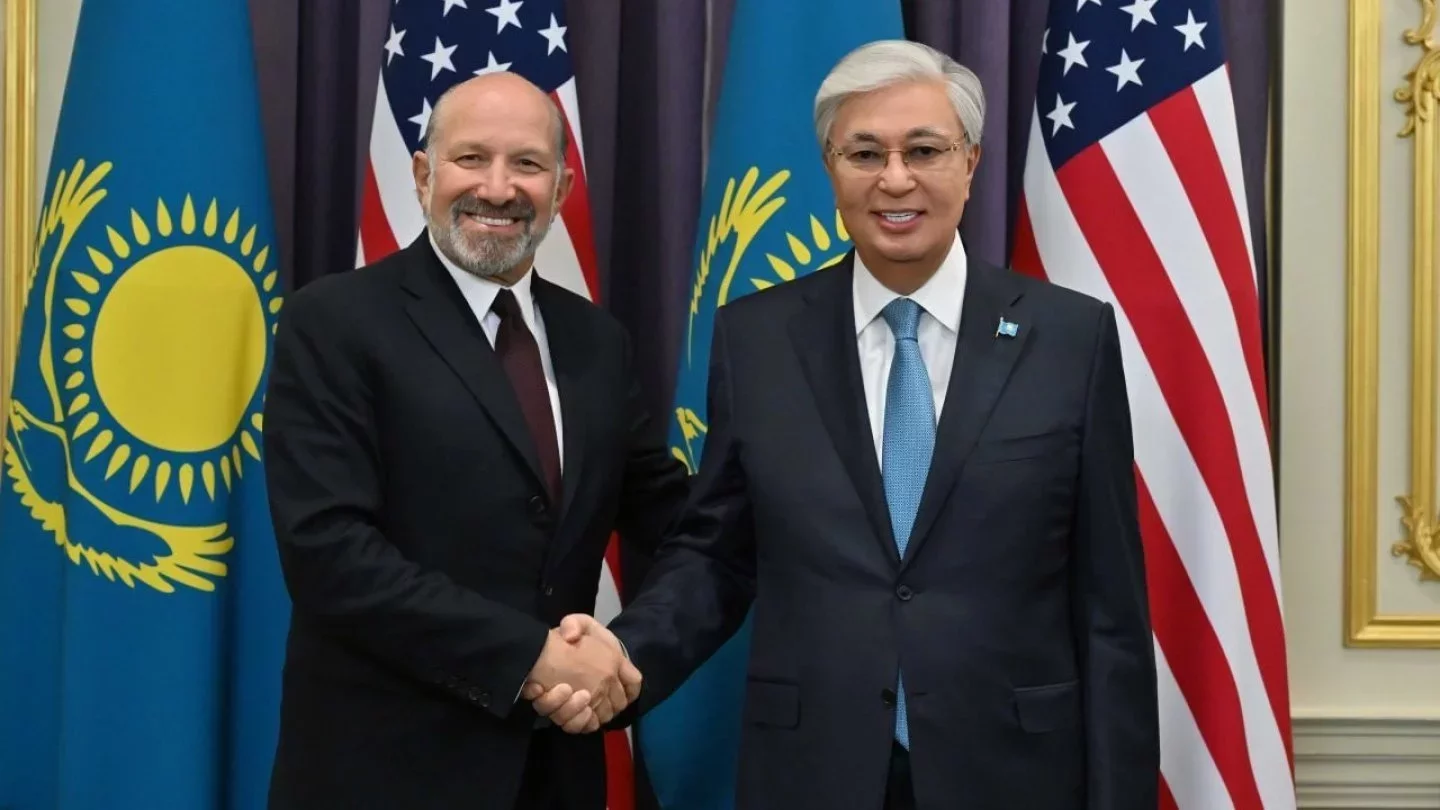 Photo: Aqorda
Qasym-Jomart Toqayev’s visit to the UN General Assembly in New York delivered a major economic outcome: Kazakhstan signed 11 agreements with U.S. companies worth $5.2 billion.
The announcement, made by presidential press secretary Ruslan Zheldibay, raised a key question — how much of the payoff will flow to Astana, and how much to Washington?
The Art of The Deal?
The most significant contract, valued at $4.2 billion, was signed with American railway giant Wabtec. The company already operates a plant in Astana, but this new agreement marks a breakthrough. It provides for the construction of 300 locomotives in Kazakhstan and their subsequent maintenance.
That number is equal to half of all locomotives the Astana plant has produced for Kazakhstan Temir Joly (KTZ) and for export since 2009. The scale of the deal has raised questions.
We don't yet know the specific details of the deal. Is Kazakhstan really spending $4 billion and getting locomotives? Perhaps it will be some more complex scheme,noted political scientist Gaziz Abishev .
Betting on Logistics
Toqayev has repeatedly highlighted logistics as Kazakhstan’s long-term priority, stressing that about 80% of Asia’s transit traffic runs through the country. In this light, the Wabtec agreement looks like a strategic move to build capacity beyond oil.
Peak oil production is in five years, and then it will begin to decline. How will our country survive with low oil prices and declining production? Agriculture has low added value, which means only industry and logistics remain. We can make money in logistics if we have strong routes. And here, railways play a key role. Powerful locomotives are one element of this entire system, said Abishev.
Political scientist Anuar Bakhitkhanov agreed, stressing that the deal represents more than symbolism.
The Wabtec deal is not just a political gesture for Kazakhstan, but above all an industrial upgrade. We're getting new locomotives with localized production and service in Astana, which creates jobs, reduces transportation costs, and strengthens the country's role in the Middle Corridor. These are pragmatic investments in infrastructure that remain within the economy,
Bakhitkhanov explained .
Washington’s Spin
Across the Atlantic, the U.S. has presented the deal as a clear win for its own economy. Donald Trump congratulated Toqayev on the “major purchase,” describing it as a victory for the U.S. rail industry.
The framing is reminiscent of the U.S. narrative around Uzbekistan’s $8 billion Boeing purchase earlier this year, which Washington highlighted primarily as a boost to American jobs.
Analysts, however, note key differences.
Yes, Washington is presenting the contract as a boost to American jobs, and there's certainly a political component. But, unlike Uzbekistan's $8 billion Boeing order, where the impact is limited to fleet expansion, the Kazakh agreement leaves a domestic multiplier: technology, service, and new competencies,said Bakhitkhanov.
Room for Maneuver
Abishev added that the deal could also strengthen Kazakhstan’s hand in future negotiations.
Kazakhstan's importance as a buyer of American goods is growing, and in return, we can expect the US to be more flexible in tariff negotiations. Perhaps we should propose that American manufacturers purchase more products from Kazakhstan's metallurgical companies. This creates some room for negotiations, he stated.
Who Wins?
For now, it remains unclear whether Washington or Astana will gain more from these agreements.
What is clear is that Kazakhstan expects dividends — economic, political, and diplomatic.
The question is not if they will come, but when.
Original Author: Nikita Drobny
Latest news
- Copper And Molybdenum Project Set To Launch In Abay Region
- Deputies Raise Alarm Over Chaos in Construction Licensing and Oversight
- Kazakhstan’s Tobacco Output Surges as Smoking Rate Holds Steady
- EAEU Waives Import Duties on Several Vegetables for Kazakhstan
- SpaceX Direct-to-Cell Service Still Awaiting Commercial Launch in Kazakhstan
- Kazakhstan To Require Near Real-Time Emissions Reporting From Enterprises
- Tokayev Says Elections to Kazakhstan’s New Parliament Will Be Held in August
- System Outage Leaves Foreigners Without IIN and Residence Permit Services in Kazakhstan
- Sowing 2026: What Kazakhstan Will Plant and How It Will Pay for It
- What Higher Foreign Labor Hiring Rates Could Mean for Kazakhstan
- First Soyuz-5 Launch From Baiterek Expected Soon
- Gas Went Up Despite A Tariff Freeze In Southern Kazakhstan
- Kazakhstan Expands Military Spending With A Focus On UAVs
- Who Is Now Protecting Investors In Kazakhstan
- No One Was Punished For LGBT Propaganda In Kazakhstan — Ministry Of Culture
- Can Kazakhstan Really Send Green Power To Europe Through The Black Sea?
- Why Kazakhstan’s Army Is Struggling To Win Over Young Recruits
- A New Transit Era May Cost Almaty Dozens Of Buildings
- From Patient Care To Italy Trips: Prosecutors Uncover Embezzlement Scheme In Astana
- Kazakhstan Clears The Sky For Turkish Military Transit
