

"Time to Stop Renting Out Baikonur": Senator Calls for Development of Kazakhstan’s Space Industry
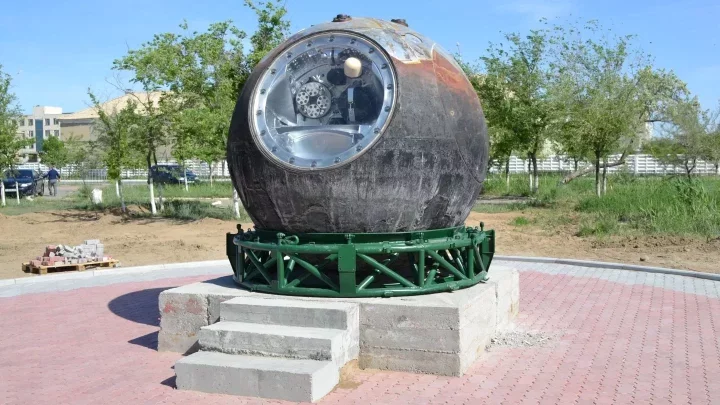 Photo: Kamila Yermakhanova, Orda.kz
Senator Andrey Lukin has voiced concern over Kazakhstan’s limited role in the space industry, stating that the country continues to lease out the Baikonur Cosmodrome without becoming a full-fledged player in the sector, Orda.kz reports.
In a parliamentary inquiry, Lukin called for a renewed focus on the development of space technologies and outlined several key proposals to stimulate the domestic space industry. One suggestion is to create favorable conditions for the operation of Kazakhstan’s spacecraft assembly and testing complex, including granting it preferential access to public procurement.
A key development area could be the production of small satellites (CubeSats, microsatellites) with the involvement of universities and startups. It’s also important to expand the Satellite Control Center and position Kazakhstan as an exporter of space services, covering manufacturing, launch capabilities, and technical support. Additionally, the KazSat-3R satellite project needs co-financing from the national budget,Lukin said.
Lukin also emphasized the need to modernize Kazakhstan’s satellite program and develop an ultra-light launch vehicle, as well as to consider the creation of a special economic zone at Baikonur to attract investment and technological expertise.
However, he stressed that infrastructure alone is not enough — Kazakhstan must invest in human capital.
Lukin urged the government to establish engineering and space-focused university faculties, support student internships, and strengthen the country’s scientific research base. Without advanced technology and a skilled workforce, it will be impossible to build a sustainable, innovative economy.
The senator also highlighted the practical applications of space technology in sectors such as agriculture, construction, environmental protection, and emergency response.
Satellite data is crucial for monitoring water resources, land use, and climate. What matters is not only tracking these changes but being able to predict and prevent emergencies, and to develop concrete strategies to minimize their impact,Lukin concluded.
Original Author: Zhadra Zhulmukhametova
Latest news
- Orda.kz Editorial Team to Cease Operations on September 1
- The Price of a Degree: How Students in Kazakhstan Pay for University
- Second Przewalski’s Horse Foal Born as Species Returns to Kazakhstan
- Kazakh Mining Companies Can Recalculate Purchases if Tenge Weakens
- Kazakhstan Names First Vice President in Three Decades
- What Almaty’s Bus Shelters Are Missing
- 400-Truck Queue Builds at Kazakh–Kyrgyz Border
- Kazakhstan Ready to Help Feed and Rebuild Gaza
- Tokayev Establishes New Presidential Security Body
- Almaty Takes Back Its Nearly Century-Old Hippodrome
- No More Guesswork on Savings: Kazakhstan Tightens Energy Audits for Businesses
- Public Money Could Be Used to Rescue Failing Kazakh Banks
- Third Kazakh Woman Reported Missing in Nepal-China Flood Zone
- Falconer Convicted Over 35 Protected Birds, Spared Punishment Under Amnesty
- Kazakh Citizen Detained in Yakutia in Phone Fraud Case
- Yuan Instead of Dollars? KazMunayGas Draws Record Demand in Asia
- China Gains Oil-Market Influence as OPEC+ Weakens
- Kazakhstan to Divide Smartphones Into White, Gray and Black Lists
- Kazakhstan’s Government Formally Resigns as First Kurultai Session Opens
- Rare Lynx Sighting Recorded in Northern Kazakhstan
