

Tight Budgets and Minimum Level of Hope – Sociologists on Kazakhstanis
Sociologists and marketers have examined the sentiments and purchasing preferences of Kazakhstanis over the past year. The study was prepared as part of the business conference of the international fashion exhibition "Central Asia Fashion" (CAF) in Almaty. An Orda correspondent attended the event.
Central Asia Fashion is one of the largest retail exhibitions in the region. Those who buy and sell clothes come here. And for this, they need to understand consumers and their inclinations. A study was presented on Kazakhstanis' sentiments within the framework of CAF.
The geopolitical situation, the events of Bloody January and inflation, which exceeded 20% in 2022, certainly had an impact on consumer preferences. Thanks to such studies, we begin to understand ourselves better.
Qantar and Society
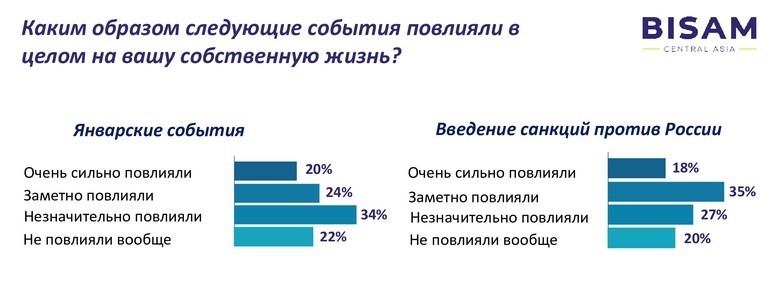
As the opinion polls of the Center for Business Information, sociological and marketing research "BISAM Central Asia" showed, despite the storm of discussions in the press and society regarding the January Events in Kazakhstan, the war in Ukraine displaced them not only from the world information space but also from the minds of Kazakhstanis.
"Today, external factors influence consumer consciousness and behaviour no less, and maybe even more, than internal factors. The unprecedented global turbulence that our generation has had to observe is feverish not only for the global economy and politics, but also for residents' psychology,"
says Leonid Gurevich, President of BISAM Central Asia.
But, according to him, global inflation and its amplified version inside the country had an even greater impact on Kazakhstanis consumer behaviour.
"Firstly, the rise in prices has radically changed the trend of consumer behavior, it is now determined by the desire to maximize savings. Secondly, the price increase turned out to be so great that no economy helps people. Kazakhstanis are forced to increase spending on products, goods, and services. Extreme saving regimes have emerged in families."
Tight Budget Time
Approaches to saving vary depending on the income of families in Kazakhstan. Only 5.9% of families began spending more in 2022, 40% switched to increased saving, while a fifth did not change their buying habits. Even people with fairly large incomes are economizing.
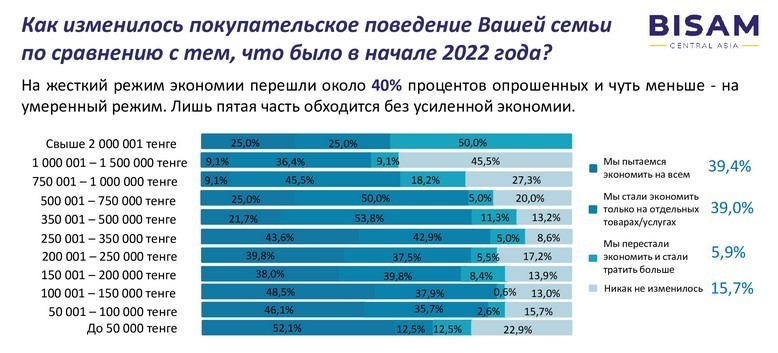
At the same time, 40% continue buying food, clothes and medicines as before, trying to save on large purchases. But at the same time, they visit cafes, and restaurants in order to maintain the same quality of life.
Rashida Fatihova, CEO of IPSOS International Research Company in Kazakhstan, also spoke about changes in the behaviour of buyers under the pressure of high inflation:
"According to our data, 28% of Kazakhstanis are in a strict saving regime this year, compared to 18% last year. And this is due to reducing expenses, switching to cheaper brands as well as by choosing cheaper marketplaces with beneficial or promotional offers. Most buy clothes and shoes at bazaars and shopping malls. Purchases in specialty stores, outlets, branded stores, online stores account for a very small share - about 20%. In the coming year, people will save, they expect prices to rise."
Sociologist Alexander Ruzanov shared even more upsetting news. Kazakhstanis have been developing crisis thinking since 2012. The reason is the consistent decline in living standards.
"If the crises before this were cyclical: for example, in 2008 a severe crisis began, in 2009 it began to decline, by 2010 people were already living normally. It turns out that during this time people entered a saving regime, and then quickly adapted to the new standard. However, since 2012, the situation has changed – the crisis does not stop. Conditions are systematically and gradually deteriorating. I'm not talking about the last few years. As a result, Kazakhstanis began to buy more goods in second-hand shops, repair (things - Ed.) more often in repair shops. And if earlier the same clothes and shoes were easily replaced, now (People - Ed.) turn more to second–hand clothes and mend them more often,"
Ruzanov noted.
At the same time, for residents of large megacities, buying clothes in second–hand stores is already a manifestation of awareness instead of necessity. That is, this behaviour is an attempt to reduce the impact of harmful emissions from the production of clothing and the negative impact on the environment.
An Encouraging Happiness Index
An index of hope and happiness is compiled annually. It is measured in 60 countries around the world. BISAM Central Asia experts have compiled it specifically for the residents of our country. In 2022, the world hope index showed negative values, which, according to sociologists, is extremely rare.
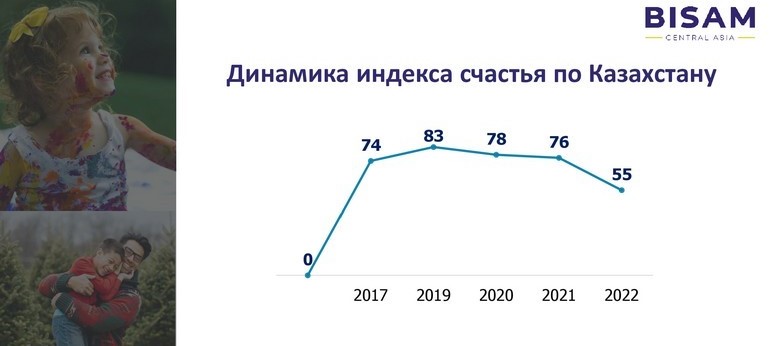
Hope "dies last" in developing countries. And in developed countries, it is steadily decreasing. This is due to the growth of critical thinking and less trust in government institutions around the world, as well as the war in Ukraine. Kazakhstan belongs to the moderately-developed countries group. Hope is present, although the level is the lowest it has been in the last five years.
Sociology says that in developing and moderately-developed countries, the index of hope and happiness is always higher. Social claims, that is, requirements for the quality of life, are low. People with low social claims are more cheerful and optimistic about the future. The most pessimistic countries mainly include almost all developed and rich countries.
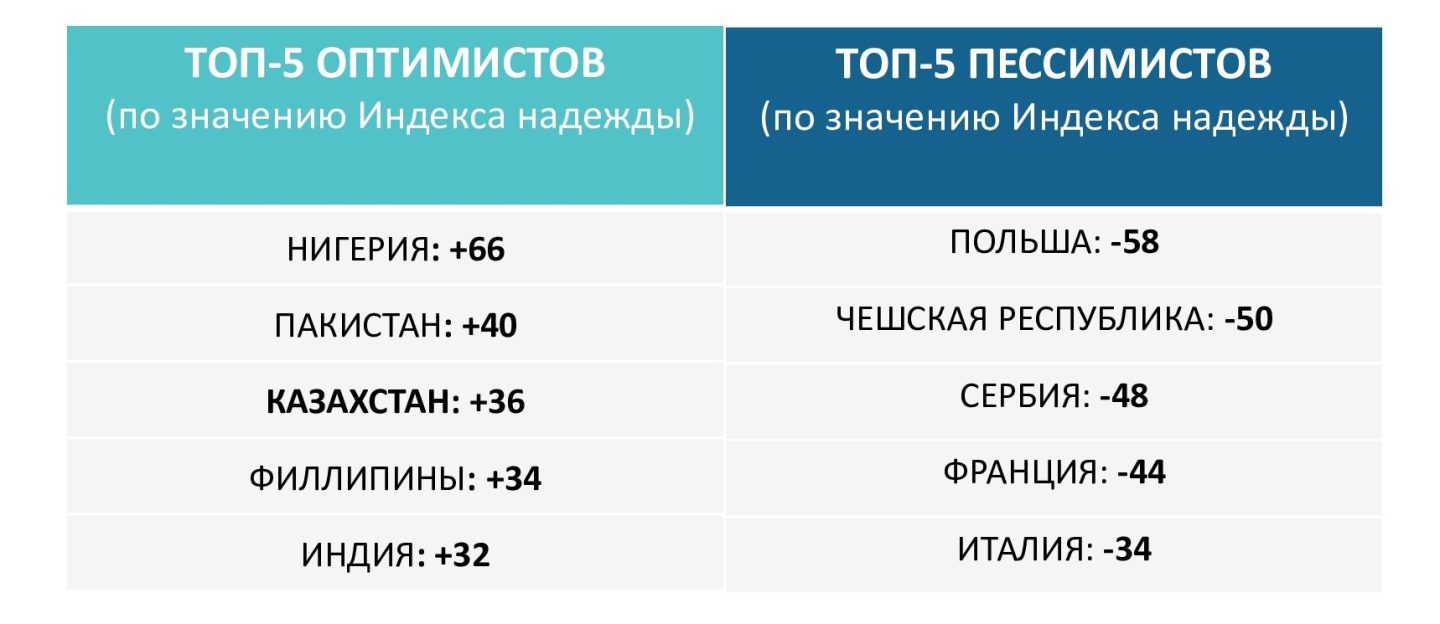
"It turned out that the happiest young people live in Shymkent and Kyzylorda. At the same time, the regions are among the poorest in terms of living standards per capita. From this, it is concluded that the level of happiness does not depend on the level of prosperity of people. It depends on other values, on other connections. For people, family ties, family relationships, and a circle of friends are very important. And here is the main conclusion: there are different regions in Kazakhstan with different levels of happiness,"
says sociologist Ruzanov.
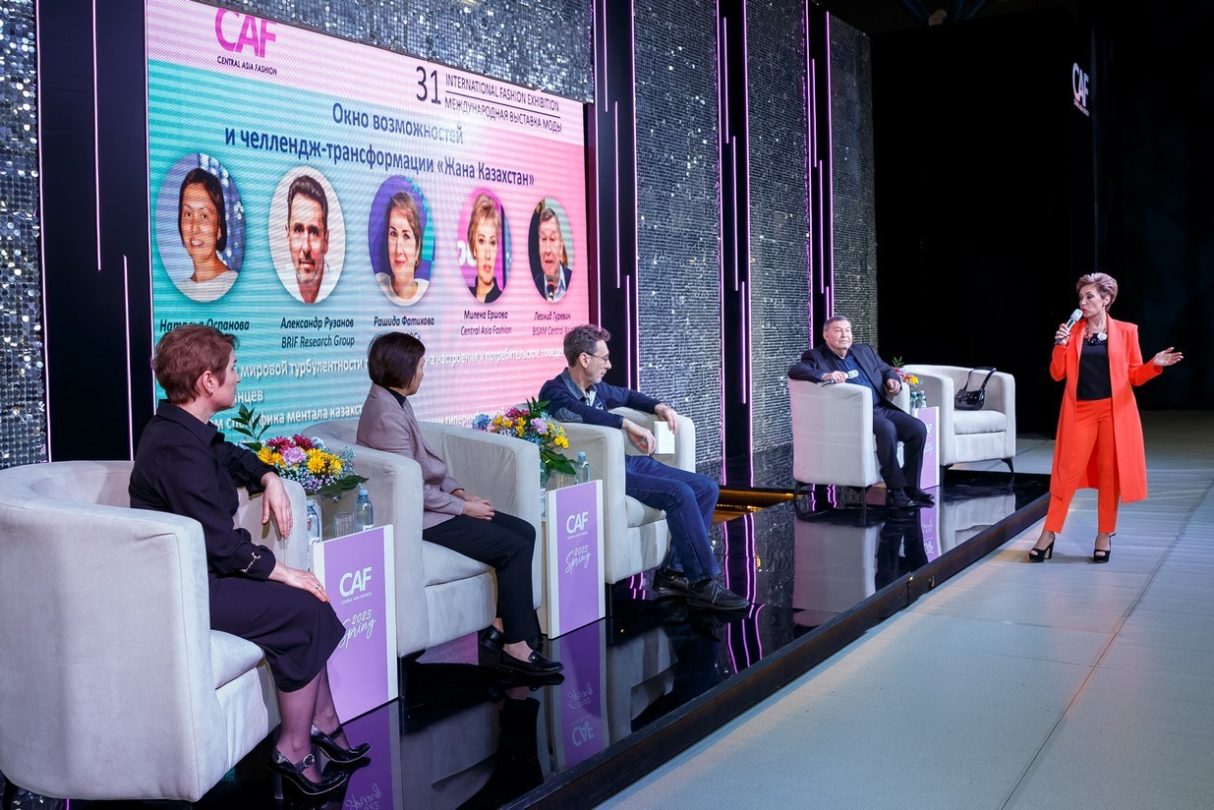
Experts are still confident that Kazakhstan still has opportunities to improve the social situation of the population, including becoming a regional business hub. The country has a stable political situation and a multi-vector course in international relations for such a possibility. Natalia Ospanova, Director of the Alvin Market Group of research companies, President of the Kazakhstan Association of Professional Researchers of Public Opinion and the Market (KAPIOR), emphasized the high interest of Kazakhstan among international brands:
"Recently, we have seen a large flow of research requests from new brands who want to evaluate Kazakhstan and Central Asia as a whole as a potential platform for work and business development. Businessmen look at the Kazakhstan market and the CIS market, and then, as a rule, they single out the countries of Central Asia. And here, first of all, we see requests for Kazakhstan as one of the first countries to enter a new brand, and later Uzbekistan, Kyrgyzstan, Tajikistan are added."
Turkish, Uzbek, Kyrgyz, Belarusian, and Russian clothing manufacturers and were represented at the fashion exhibition in the Almaty expo centre "Atakent". No Kazakhstani manufacturers were alongside them. An Orda correspondent learned that this is not the first time. Unfortunately, the level of state support for domestic manufacturers remains at a low level. Only school uniforms are produced en masse in Kazakhstan.
A survey of Central Asia Fashion participants confirmed this nuance: Uzbeks, Russians, and Belarusians told Orda.kz that their flights to Almaty and the exhibition stands were paid for by the relevant ministries or local authorities. Kazakhstani producers do not enjoy such a luxury.
Original Author: Maksim Skopin
DISCLAIMER: This is a translated piece, the text has been modified the content is the same. Please refer to the original article in Russian for accuracy.
Latest news
- Orda.kz Editorial Team to Cease Operations on September 1
- The Price of a Degree: How Students in Kazakhstan Pay for University
- Second Przewalski’s Horse Foal Born as Species Returns to Kazakhstan
- Kazakh Mining Companies Can Recalculate Purchases if Tenge Weakens
- Kazakhstan Names First Vice President in Three Decades
- What Almaty’s Bus Shelters Are Missing
- 400-Truck Queue Builds at Kazakh–Kyrgyz Border
- Kazakhstan Ready to Help Feed and Rebuild Gaza
- Tokayev Establishes New Presidential Security Body
- Almaty Takes Back Its Nearly Century-Old Hippodrome
- No More Guesswork on Savings: Kazakhstan Tightens Energy Audits for Businesses
- Public Money Could Be Used to Rescue Failing Kazakh Banks
- Third Kazakh Woman Reported Missing in Nepal-China Flood Zone
- Falconer Convicted Over 35 Protected Birds, Spared Punishment Under Amnesty
- Kazakh Citizen Detained in Yakutia in Phone Fraud Case
- Yuan Instead of Dollars? KazMunayGas Draws Record Demand in Asia
- China Gains Oil-Market Influence as OPEC+ Weakens
- Kazakhstan to Divide Smartphones Into White, Gray and Black Lists
- Kazakhstan’s Government Formally Resigns as First Kurultai Session Opens
- Rare Lynx Sighting Recorded in Northern Kazakhstan
