

“They Are Not Cattle, You Don’t Vaccinate Them”: Why Zoologists Cannot Save Caspian Seals
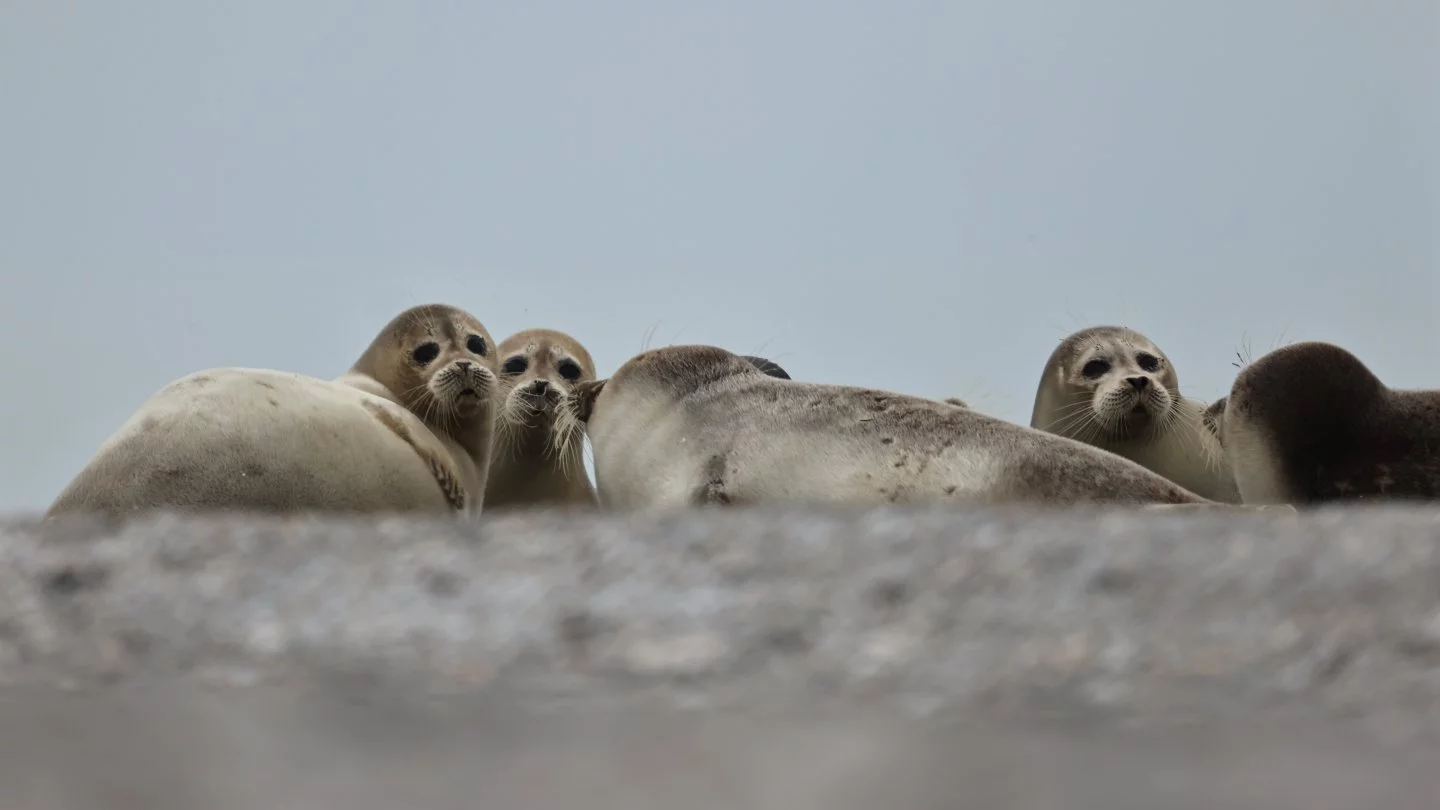 Photo: Asel Baymukanova
Seals are constantly dying in Kazakhstan, but neither officials, zoologists, nor hydrobiologists know how to stop it, Orda.kz reports.
Seals are constantly dying in Kazakhstan, but neither officials, zoologists, nor hydrobiologists know how to stop it. One of the last major such incidents happened in November last year in the Tupkaragan district of the Mangistau region, where environmentalists found 112 dead animals. And it is very likely not the last. An Orda.kz correspondent visited the exhibition “Invisible World: City Under Water” and spoke with its organizers about the prospects for marine mammals and more.
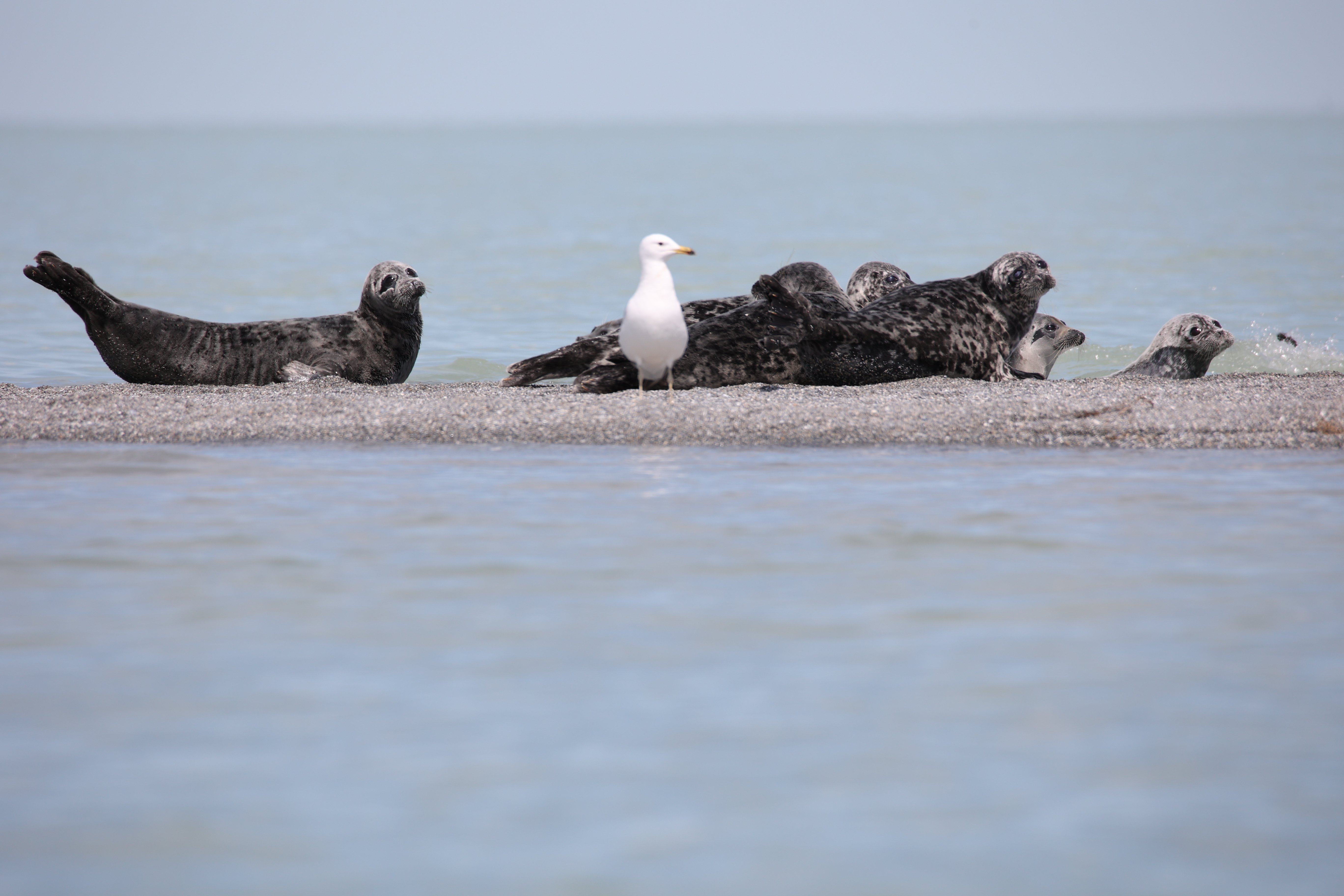
According to Marina Chirikova, deputy director of the Institute of Zoology, periodic outbreaks of fatal diseases among these mammals can have different causes. But in any case, there are at least several major factors: global warming, a sharp drop in the level of the Caspian Sea, and a reduction in the size of the ice floes that serve as shelter for the animals. Oil and gas enterprises also bear considerable responsibility for the deterioration of the seals’ habitat.
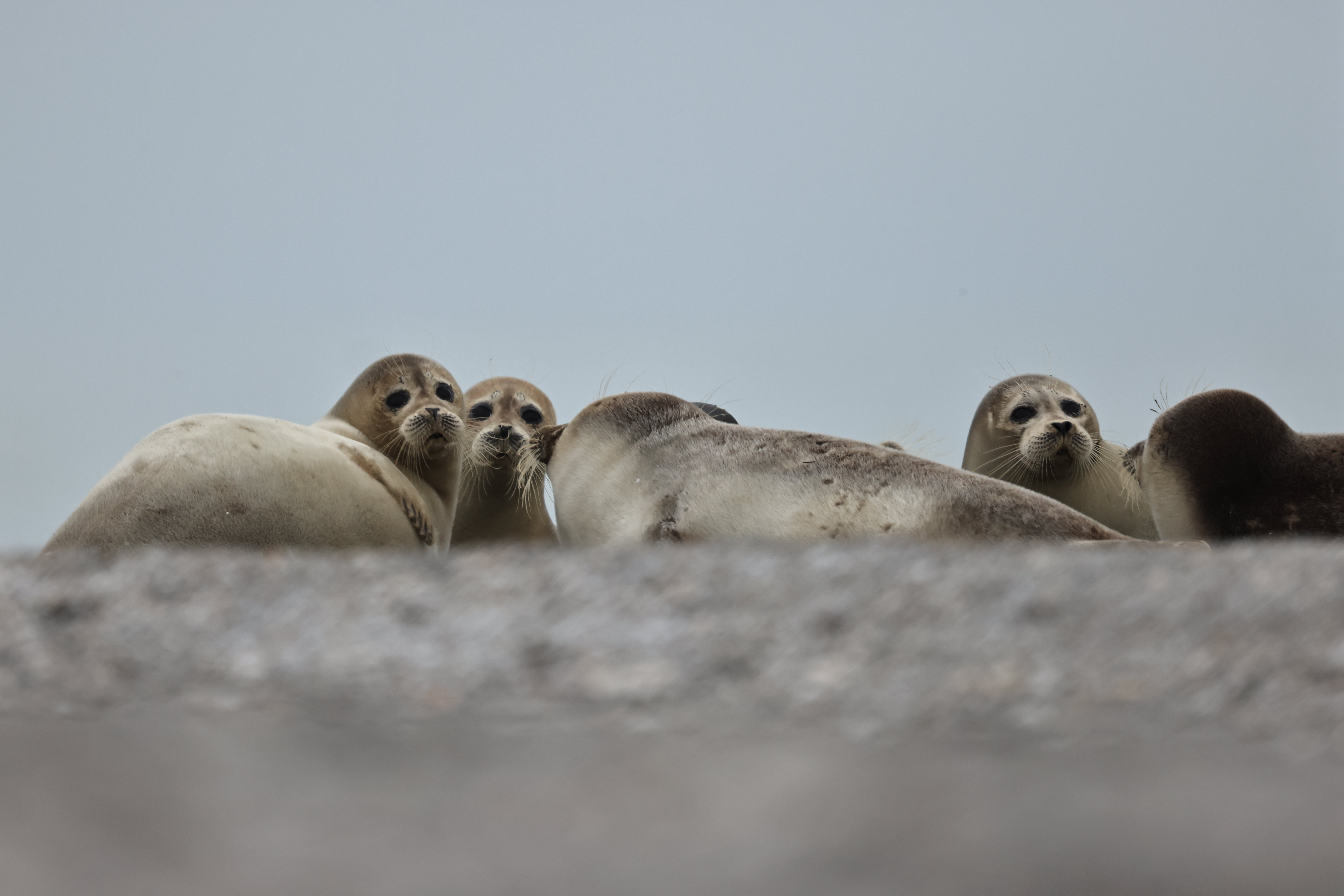
And it is not clear what to do about these disease outbreaks. Seals are not cattle, you cannot vaccinate them all at once. Nevertheless, they are trying to keep the situation under control. Monitoring is under way, and in the event of another outbreak, an expert group is sent to the site to take samples and begin an investigation. In addition, the Caspian Sea Institute was recently established. Right now, in Mangistau, on the coast of the Caspian Sea, a film about Caspian seals is being shot with the active participation of Asel Baymukanova from the Institute of Hydrobiology and Ecology. So seals receive enough attention, but much depends on global factors that are difficult to influence.Marina Chirikova said.
One of these factors is the rapid shallowing of the Caspian Sea. The sea level is steadily falling. Last year, a historic low was recorded. The reasons, again, are global warming, as well as increased water intake from the rivers flowing into the Caspian Sea. But the situation with Lake Balkhash is now the opposite.
In 2025, the research project on the Balkhash-Alakol region ended. According to its results, we can say that the situation with the water level in the lake is now relatively stable, and the most pessimistic scenarios of Balkhash’s disappearance have been avoided. But that is only for now. There are long-term alternating cycles of high water and low water, rising and falling water levels in the lake. This depends primarily on precipitation, which, in turn, depends on the world’s oceans. Now there is a high-water cycle. Nevertheless, negative factors associated with climate change, glacier melt, and intensive water intake for agricultural needs persist. Chirikova said.
The rise in the level of Balkhash is associated, among other things, with the accelerated melting of glaciers. But when they melt completely, the lake may face disaster.
Kazakhstan is unlikely to be able to stop climate change, but it can ensure the strictest control over the use of its own water reserves, primarily in the agricultural sector. Therefore, any increase in the area of irrigated land or other water-intensive projects must be seriously justified and coordinated in advance with the participation of three ministries: agriculture, ecology, and water resources, Marina Chirikova noted.

By the way, the photo exhibition “Invisible World: City Under Water” opened in Almaty at the Forum shopping and entertainment center. It is dedicated to the protection of coral reefs, aquatic ecosystems, and rare animals of Kazakhstan, including seals. It will run until June 2. It features photographs of the inhabitants of the world ocean and Kazakhstan’s own bodies of water, taken by local and foreign researchers.




Original author: Daniil Utyupin
Read also:
Latest news
- “They Are Not Cattle, You Don’t Vaccinate Them”: Why Zoologists Cannot Save Caspian Seals
- Did The Digital Economy Stumble Over PPP? How The Minister Reacted to the IT Industry’s Problems
- Private Investors to Help Build Juvenile Correctional Facilities in Kazakhstan
- “Like Rotten Eggs”: Residents of Atyrau Again Complain About the Stench in the City
- Digital Passport and Admission Benefits: Kazakhstan Wants to Change Volunteering
- Infected Sunflower Seeds From the U.S. Barred From Entering Kazakhstan
- Almaty Drivers Offered Free Emissions Checks Without Penalties
- Croatia Will Finance Oil Exploration In Aktobe Region
- Half of Kazakhstanis Earn Less Than $1,000 a Month
- Is The Era Of Easy Extraction Over? Resource Development Is Being Rebuilt In Kazakhstan
- How a Kazakhstani Tried to Change His Ethnicity Through the Courts — and What Came of It
- Economist Names Kazakhstan Regions Lagging in Investment Transparency
- 14-Year-Old In Tesla Tries To Flee Police In Astana
- When a Michelin-Recognized Restaurant Will Open in Almaty, Akimat Says
- Transfers To China From Kazakhstan Fall To Six-Year Low
- Chinese Company To Build $1.2 Billion Steel Plant In Kazakhstan
- Moldova Finally Leaves The CIS And Bets On The EU
- Kazakhstani Scientists Develop Feed From Meat Processing Waste
- Why Large Families Face the Highest Poverty Risk in Kazakhstan
- Kazakhstan Schoolboy First in Central Asia to Receive Google Grant
