

Smuggling Without Borders: How Kazakhstani Agencies Search But Find Nothing
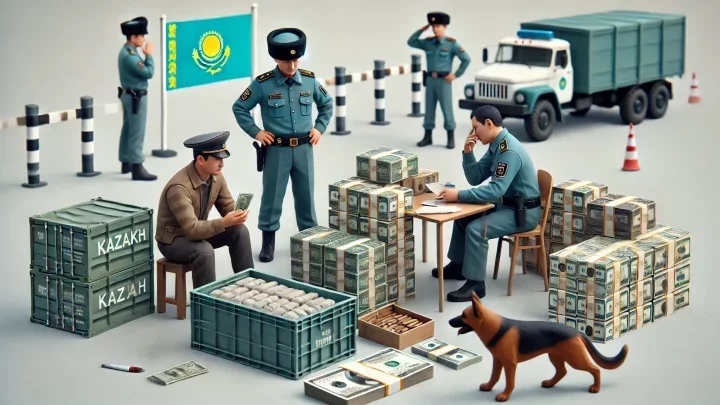 Photo: Dall-E AI generated, illustrative purposes
Kazakhstan's borders have become a gateway for illicit goods, transforming smuggling from a shadow market activity into a sprawling underground empire.
However, when Orda sought clarity on the actions taken by relevant agencies, the responses were riddled with contradictions, appearing more like an attempt to hide behind formalities than a genuine effort to address the issue.
Orda delved into the reality of the situation: billions of tenge are sidestepping the national budget. This alarming scale weakens the economy and fuels its shadow side.
Smuggling continues to thrive, while agencies insist the situation is "under control."
According to statistics, the most commonly smuggled items include jewelry, tobacco products, alcohol, branded goods, electronics, and medicines—items people frequently attempt to bring in. Weapons, ammunition, drugs, and psychotropic substances – that's a different story, explains Farid Aliyev, Chair of the Board of Association of Chambers of Legal Consultants "Kazakhstan Zan-Kenes."
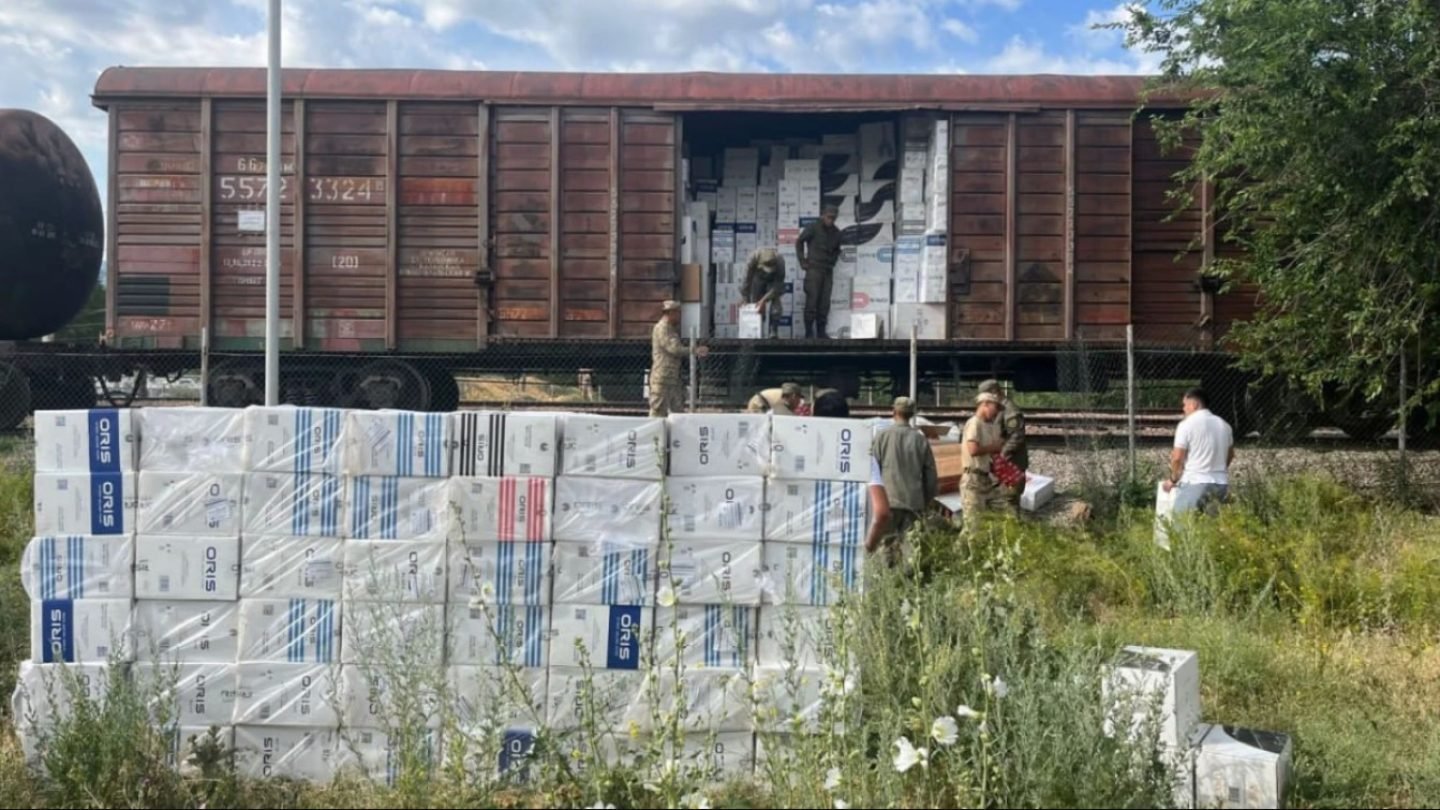
Smugglers not only bribe high-ranking officials and customs officers but also manage to come up with new ways to smuggle illegal goods across the border.
Some tried to smuggle endangered falcons into Kyrgyzstan by hiding them in a car's upholstery.
In another case, diamonds were sent from the USA disguised as toys in a postal package. Some even built a 310-meter underground tunnel between Kazakhstan and Uzbekistan.
When Orda.kz contacted government agencies to inquire about measures to combat smuggling, their responses revealed a complete lack of coordination.
With Eyes Wide Shut
The Ministry of Internal Affairs reported on its work but without specific results. The department stated that they are working to combat smuggling and criminal groups:
In 2024, no cases of economic smuggling or the smuggling of prohibited or restricted items, except for instances involving the cross-border movement of narcotic drugs, psychotropic substances, their analogs, precursors, firearms, and ammunition, were identified, the Ministry of Internal Affairs concluded.
While preparing our investigation, we provided smuggled cigarettes and the addresses where we purchased them to the Ministry of Internal Affairs. Later, we will report on the results of the police check of the stated facts and the material evidence provided.
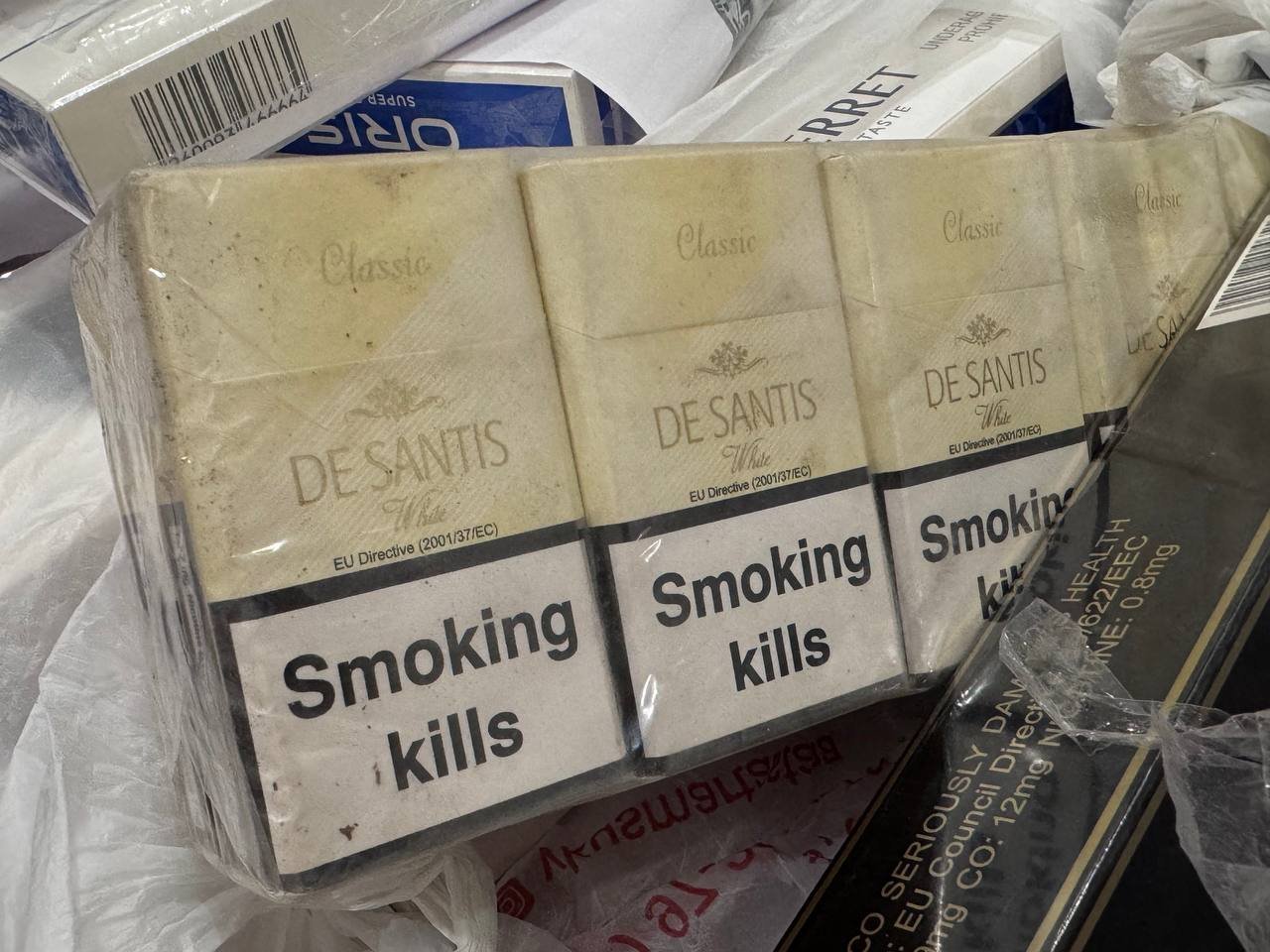
The National Security Committee (KNB), the country's primary security agency, also stated that it lacks relevant data despite the department's repeated claims of uncovering smuggling activities.
For instance, the KNB's press office was the first to report that 336,000 packs of cigarettes disguised as building materials were attempted to be smuggled across the border into the West Kazakhstan region.

The Ministry of Trade and Integration has chosen to distance itself from the issue. Although smuggling directly affects trade, it appears to be of little concern to the department.
In response to our inquiry, the Ministry stated:
After reviewing your request, the Ministry of Trade and Integration of the Republic of Kazakhstan informs you that combating smuggling is not within its scope of responsibility.
Meanwhile, the Agency of the Republic of Kazakhstan for Financial Monitoring provided a different perspective:
Since the beginning of 2024, financial monitoring bodies have registered 35 criminal cases (Article 234 of the Criminal Code of the RK) related to economic smuggling. Out of 58 ongoing cases, 39 have been completed. In most instances, the smuggled items include consumer goods, foreign currency, and cigarettes, the agency noted.
Significant factors contributing to smuggling's growth include weak coordination between agencies, a lack of oversight, and corruption.
Government agencies' responses show that no one is ready to take responsibility.
Everything Is Fine; We Are Working On It
The Majilis considered that the current laws are pretty sufficient to combat smugglers.
I believe that Article 234 of the Criminal Code of the Republic of Kazakhstan is sufficient to combat smuggling. As a representative of the committee on legislation and judicial and legal reform, I can confirm that no work is being done to amend the legislation on smuggling, answered Majilis deputy Magerram Magerramov.
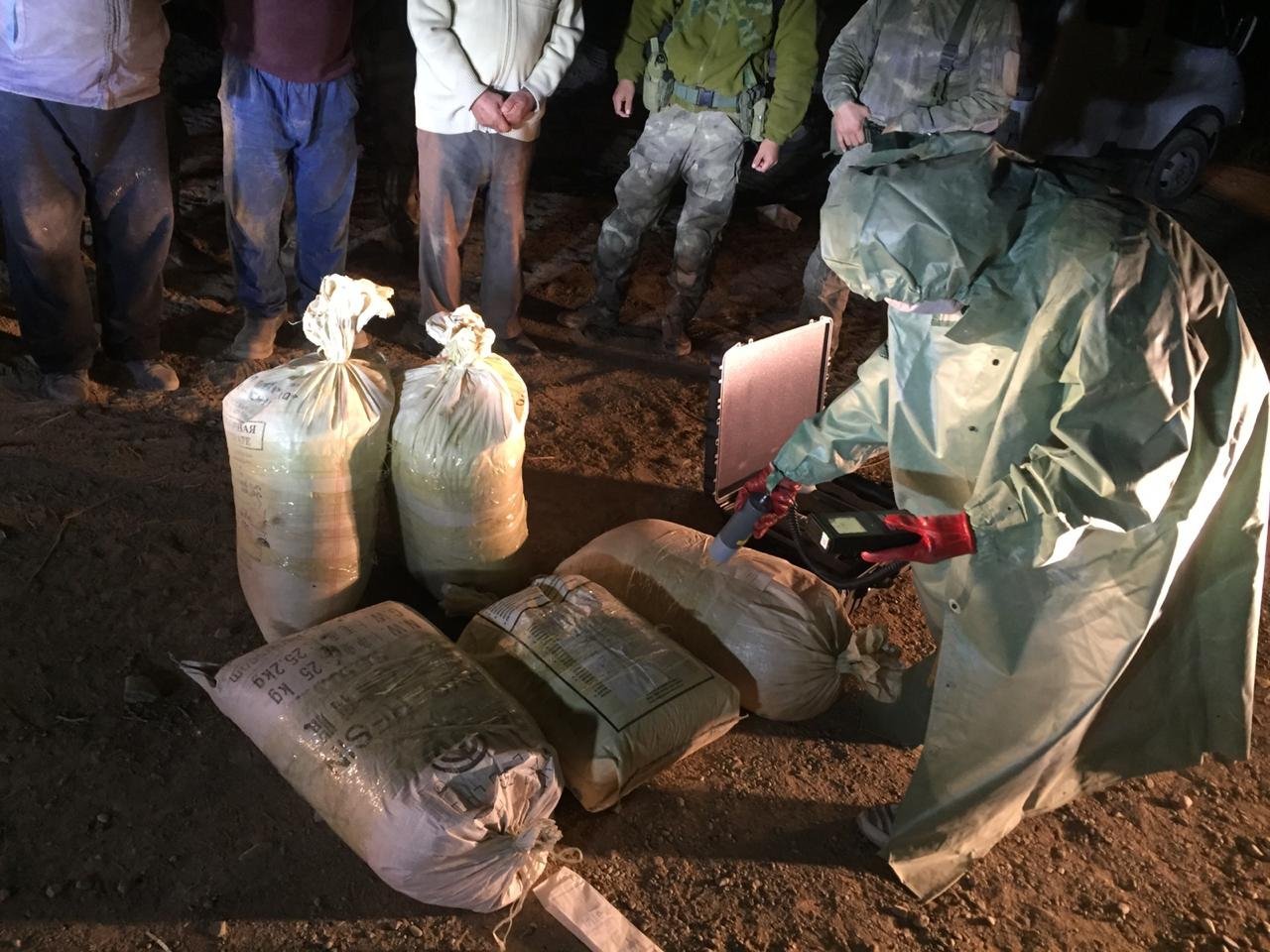
At the same time, the departments have shared updates about their plans and improvements.
The Ministry of Finance has agreed to share preliminary information about goods and vehicles with nine countries. These countries include Uzbekistan, China, Türkiye, Iran, Azerbaijan, Georgia, Ukraine, Turkmenistan, and Tajikistan.
As part of the implementation of the instructions of the head of state, the Financial Monitoring Agency of the Republic of Kazakhstan in 2021 developed a comprehensive plan of measures to combat the shadow economy for 2021-2023 (Government Decree dated September 21, 2021 No. 644 ), which was updated in 2023 for 2023-2025 (Government Decree dated July 14, 2023 No. 589), the State Revenue Committee reported.
The Financial Monitoring Agency provided additional information about changes in the law.
The threshold for criminal liability for economic smuggling has been increased from 10,000 to 20,000 MCI, which today amounts to 73.8 million tenge," the agency explained.
If government bodies do not cooperate, smuggling will continue to increase, and ordinary citizens will bear the consequences: higher prices, lost tax revenue, and a decline in trust in the government.
Original Author: Alina Pak
Latest news
- Orda.kz Editorial Team to Cease Operations on September 1
- The Price of a Degree: How Students in Kazakhstan Pay for University
- Second Przewalski’s Horse Foal Born as Species Returns to Kazakhstan
- Kazakh Mining Companies Can Recalculate Purchases if Tenge Weakens
- Kazakhstan Names First Vice President in Three Decades
- What Almaty’s Bus Shelters Are Missing
- 400-Truck Queue Builds at Kazakh–Kyrgyz Border
- Kazakhstan Ready to Help Feed and Rebuild Gaza
- Tokayev Establishes New Presidential Security Body
- Almaty Takes Back Its Nearly Century-Old Hippodrome
- No More Guesswork on Savings: Kazakhstan Tightens Energy Audits for Businesses
- Public Money Could Be Used to Rescue Failing Kazakh Banks
- Third Kazakh Woman Reported Missing in Nepal-China Flood Zone
- Falconer Convicted Over 35 Protected Birds, Spared Punishment Under Amnesty
- Kazakh Citizen Detained in Yakutia in Phone Fraud Case
- Yuan Instead of Dollars? KazMunayGas Draws Record Demand in Asia
- China Gains Oil-Market Influence as OPEC+ Weakens
- Kazakhstan to Divide Smartphones Into White, Gray and Black Lists
- Kazakhstan’s Government Formally Resigns as First Kurultai Session Opens
- Rare Lynx Sighting Recorded in Northern Kazakhstan
