

Samson the Mammoth Arrives in Pavlodar for Days of Siberian Culture
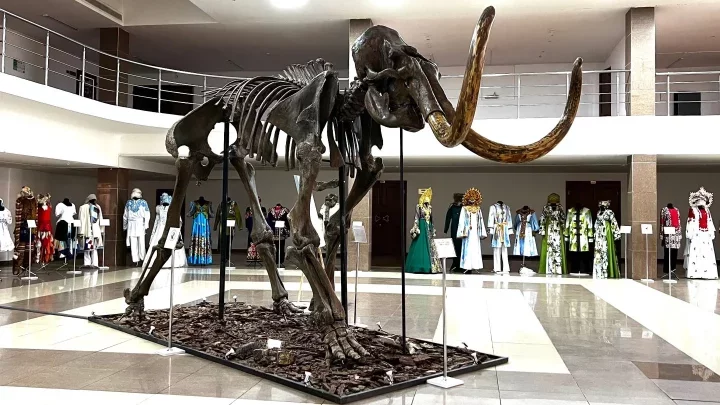 Photo: Orda.kz, Ruslan Loginov
A 40,000-year-old woolly mammoth named Samson has become the centerpiece of the Days of Culture currently taking place in Pavlodar, Orda.kz reports. Alongside him came Siberian music, theater, and costume exhibitions from Novosibirsk Oblast, where Samson was discovered.
This marks the first time the world’s most complete mammoth skeleton has been displayed in Pavlodar. Standing over three meters tall and stretching 5.5 meters in length, Samson weighs nearly half a ton.
The skeleton consists of 194 authentic bones, including preserved toes, foot pads, claws, and twisted joints that suggest a step frozen in time. The mammoth’s black, polished tusks curve forward, as if still roaming the Siberian steppe.
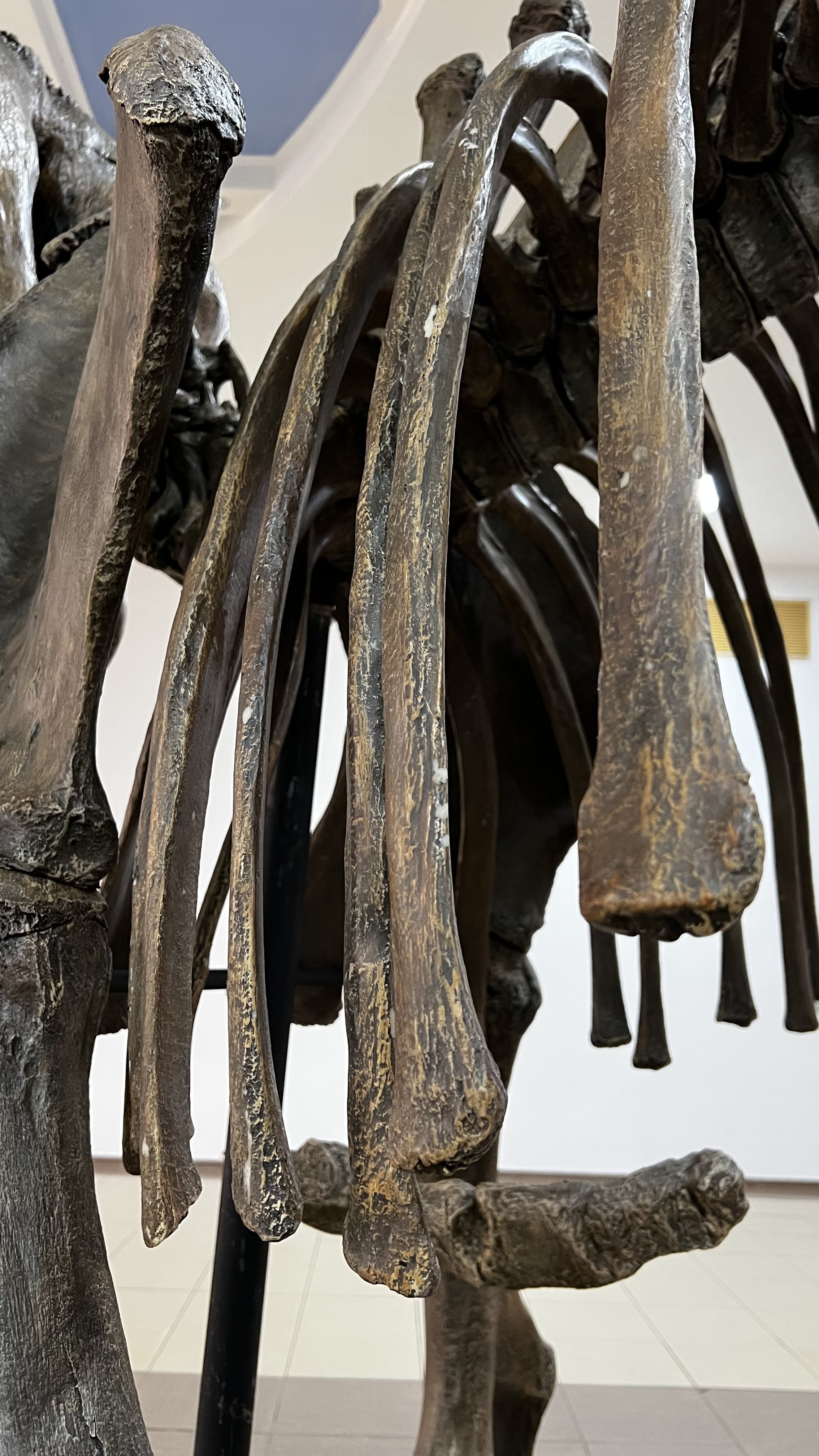
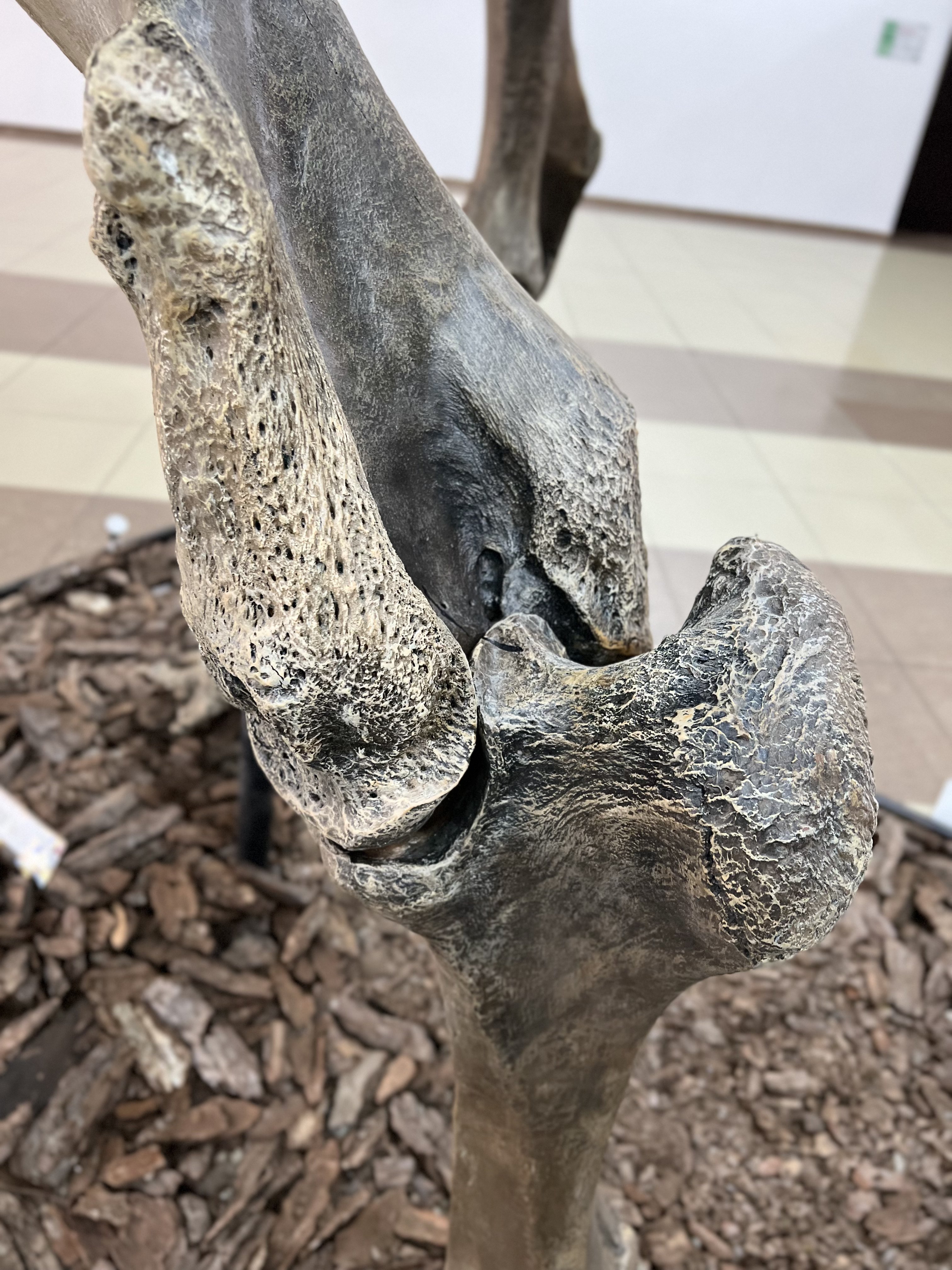
Samson was unearthed in 2011 near the village of Osinzevo in the Chanovsky District. He lived during the Pleistocene era, a time when mammoths shared the vast Siberian plains with woolly rhinos, lions, musk oxen, and wild horses.
Winters then were dry and snowy, ideal for mammoths that dug through the snow to find grass and stored fat during the summer to survive the cold.
Due to its size, Samson’s skeleton is displayed separately in a dimly lit hall. Visitors speak in hushed tones. Children try to reach the ancient bones—until a father’s voice reminds them: “Don’t touch the mammoth, not allowed!”
“This is the most complete skeleton of a male mammoth ever found,” a tour guide explains.
Near the main exhibit, the story continues through an exhibition of stage costumes.
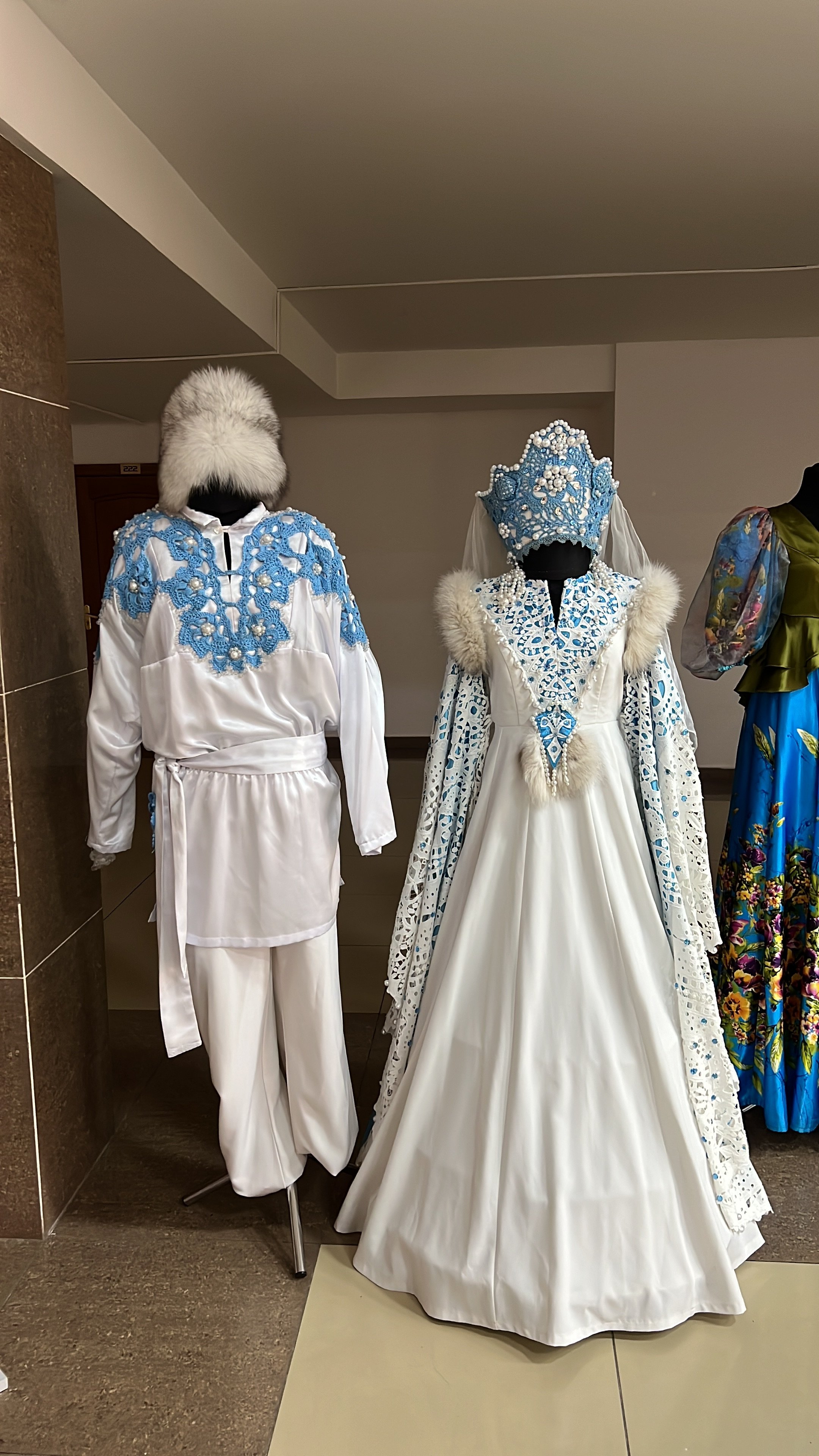
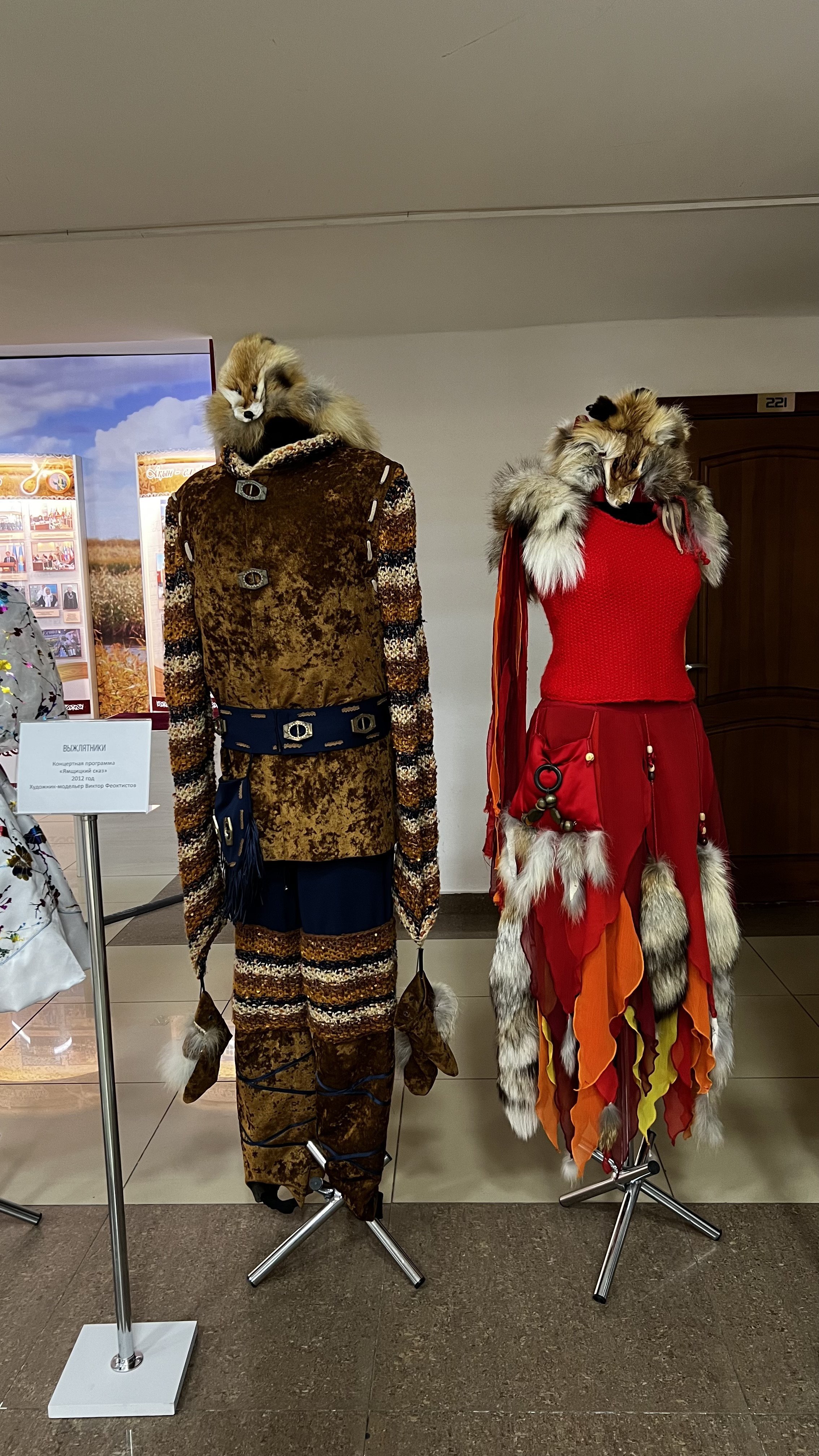
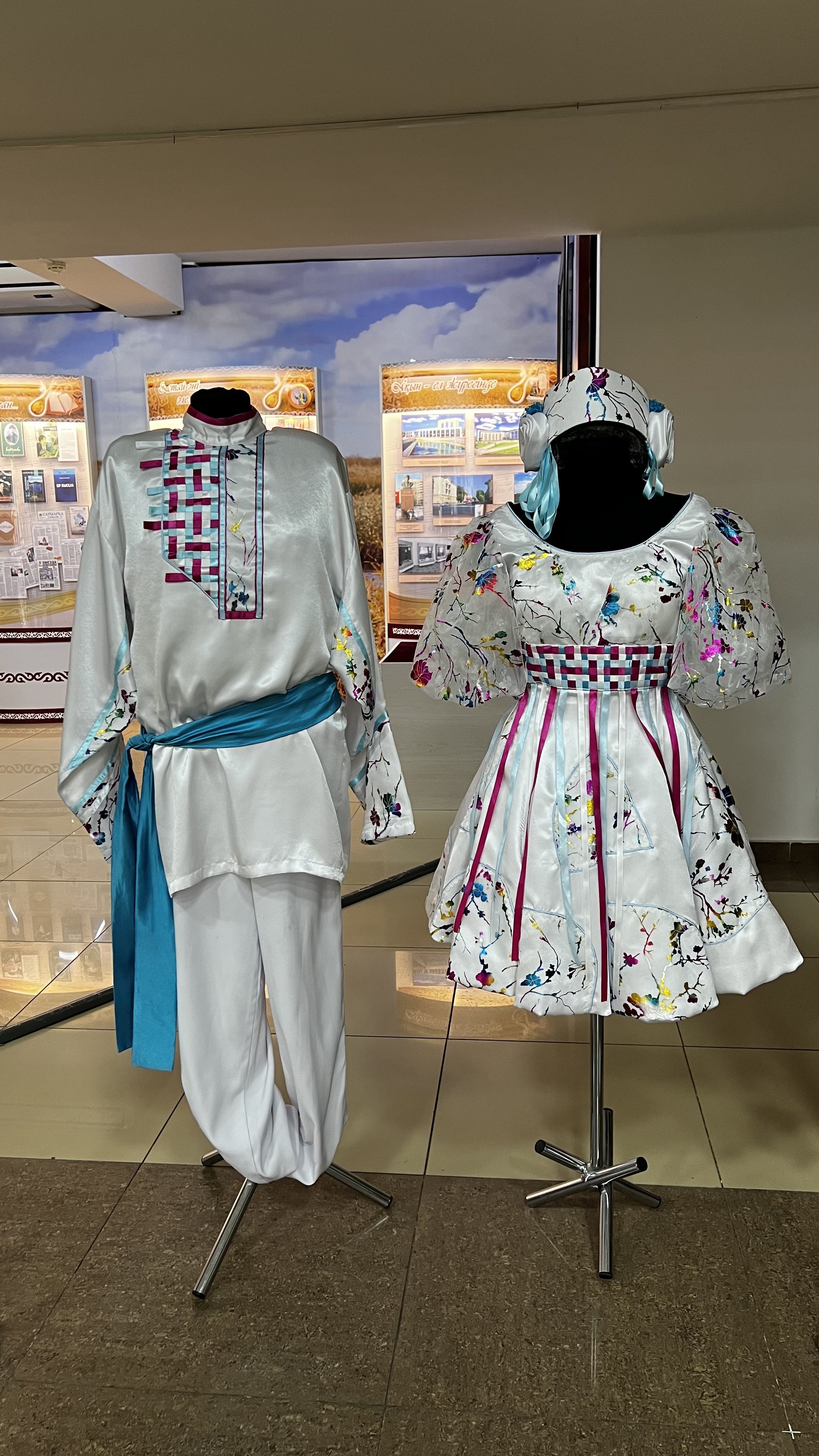
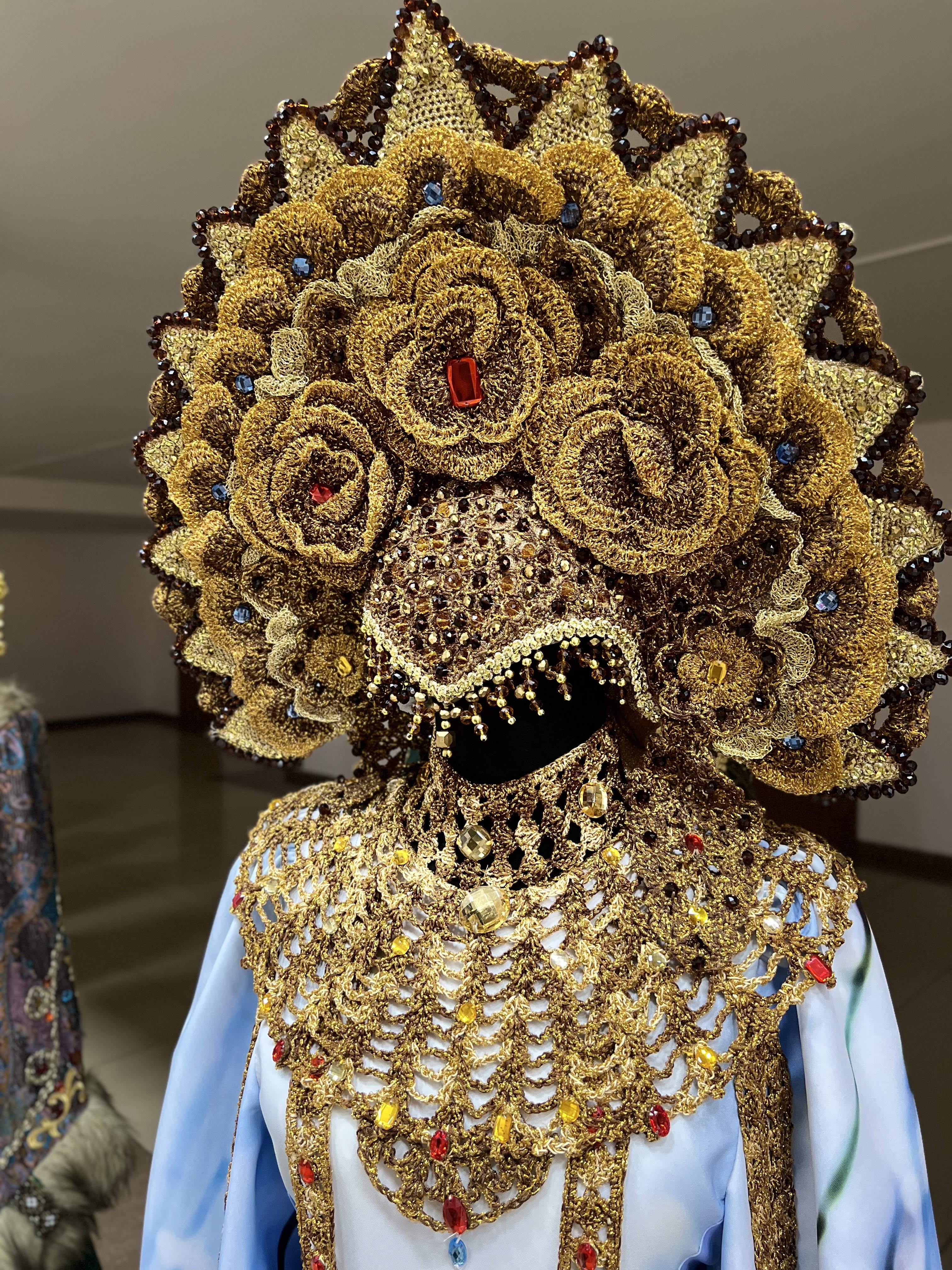
One section features fur cloaks and patterned headdresses that echo early human life. Others display elaborate embroidered gowns in blue and green, adorned with rhinestones, gold trim, and hand stitching.
Some outfits resemble folklore and fantasy: animal masks, furs, metal details—costumes inspired by northern legends and traditional motifs.
The cultural program also includes concerts and stage performances. Artists from the Novosibirsk Philharmonic, the Siberian Folk Choir, and the Russian Academic Orchestra performed at Yestai Palace.
The Novosibirsk Globus Theater brought its production of The Alpine Ballad, based on the work by Vasil Bykov.
Meanwhile, the Many-Faced Siberia art exhibition presents portraits, landscapes, and genre paintings from the Novosibirsk Art Museum.
Cooperation and cross-border relations remain the most important drivers of socio-economic integration. Tolerance and openness have always been part of our national character,
said Pavlodar region Akim Asain Baykhanov.
The delegation’s visit from Novosibirsk follows the recent 20th Forum of Interregional Cooperation between Russia and Kazakhstan. During their time in Pavlodar, Russian guests were introduced to investment opportunities and the region’s special economic zone.
Original Author: Ruslan Loginov
Latest news
- Orda.kz Editorial Team to Cease Operations on September 1
- The Price of a Degree: How Students in Kazakhstan Pay for University
- Second Przewalski’s Horse Foal Born as Species Returns to Kazakhstan
- Kazakh Mining Companies Can Recalculate Purchases if Tenge Weakens
- Kazakhstan Names First Vice President in Three Decades
- What Almaty’s Bus Shelters Are Missing
- 400-Truck Queue Builds at Kazakh–Kyrgyz Border
- Kazakhstan Ready to Help Feed and Rebuild Gaza
- Tokayev Establishes New Presidential Security Body
- Almaty Takes Back Its Nearly Century-Old Hippodrome
- No More Guesswork on Savings: Kazakhstan Tightens Energy Audits for Businesses
- Public Money Could Be Used to Rescue Failing Kazakh Banks
- Third Kazakh Woman Reported Missing in Nepal-China Flood Zone
- Falconer Convicted Over 35 Protected Birds, Spared Punishment Under Amnesty
- Kazakh Citizen Detained in Yakutia in Phone Fraud Case
- Yuan Instead of Dollars? KazMunayGas Draws Record Demand in Asia
- China Gains Oil-Market Influence as OPEC+ Weakens
- Kazakhstan to Divide Smartphones Into White, Gray and Black Lists
- Kazakhstan’s Government Formally Resigns as First Kurultai Session Opens
- Rare Lynx Sighting Recorded in Northern Kazakhstan
