

Russia Tightens Port Rules, Experts Point to Bureaucracy
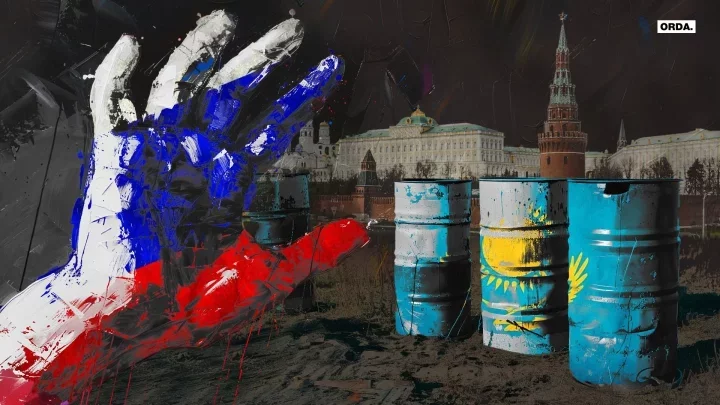 Photo: Orda
Last week, oil exports were “frozen” for a day due to a new decree by Russian President Vladimir Putin. While the issue was resolved within a day, it raised questions about the future reliability of transit routes through Russia
Orda.kz has looked into the matter.
Port Access Tightens?
According to Reuters, the decree requires foreign tankers to obtain approval from Russia’s Federal Security Service (FSB) before entering Russian ports. This change led to a temporary pause in the shipment of Kazakhstan's oil through the port of Novorossiysk.
Kazakhstan’s Ministry of Energy denied any disruption through the CPC pipeline but acknowledged that KazTransOil was addressing new security procedures in the Baltic port of Ust-Luga. The Ministry described the measures as part of routine infrastructure security improvements.
Industry sources confirmed that the delay lasted less than a day. However, approximately 2% of the global oil supply was affected during that time.
A Political Signal?
The decree is linked to Russia’s response to the latest round of EU sanctions. Despite speculation, analysts believe the disruptions were operational rather than political.
Oil and gas expert Artur Shakhnazaryan noted that while port access procedures have changed, including the requirement for Russian insurance and FSB clearance, there is no indication that Kazakhstan’s exports face any long-term risk.
Nothing threatens Kazakhstan's exports via the CPC pipeline through Russian ports on the Black Sea and KazTransOil's exports via the Baltic port of Ust-Luga in general. The innovations adopted by the Russian leadership on July 22 somewhat complicate the transportation of oil, but the tanker owners themselves also need safety. The measures are not prohibitive in nature for the export of Kazakhstan's oil, but only significantly tighten security measures. Both the port of Novorossiysk and Ust-Luga are located near the naval bases of the Russian Navy,
Artur Shakhnazaryan said.
According to the expert, this is not about political pressure techniques, but about attempts to secure Russian ports.
An Orda.kz source close to the Caspian Pipeline Consortium echoed that view, describing the delay as a result of incomplete implementation of the decree, rather than an intentional obstruction.
There is, of course, the issue of exporting all Kazakhstan's oil through the Russian Federation. In Russian ports there is only their oil and ours. Therefore, of course, for us this is a strategic issue. The decree was introduced, but there are no procedures, they are not worked out. They (and we) have this happen. So there was a series of meetings, the issue was resolved,
the source explained on condition of anonymity.
80% of Kazakhstan's oil is exported via the CPC pipeline; Kazakhstan cannot store such volumes for an extended period.
Russian companies themselves are not interested in closing Black Sea ports to foreign tankers. Buyers of Russian oil are sending their fleets to the ports, which must now receive approval from the FSB.
How the system operates will likely be worked out soon.
Another expert in the oil and gas industry, who refrained from making a detailed comment, also expressed the opinion that the problems with transporting Kazakh oil through the Russian Black Sea ports are the result of a bureaucratic delay.
Shadow Fleet
The increased scrutiny of foreign tankers follows several incidents involving Russia’s so-called “shadow fleet,” which transports oil in violation of sanctions.
One such case occurred on February 9 in Ust-Luga, when explosions damaged the engine room of the Koala, a tanker sailing under the Antigua and Barbuda flag. The vessel had traveled from Singapore and was transporting fuel oil. It was later added to the EU’s 17th sanctions package.
The Koala incident was one of several involving tankers in or near Russian waters in recent months, prompting authorities to introduce stricter safety requirements.
Expert Artur Shakhnazaryan believes that this context is important when assessing the new decree:
There is no need to worry too much about the main flow of Kazakhstan's exports, the CPC and the port of Novorossiysk. It will continue. The special services of NATO countries or the Ukrainian HUR will not, so to speak, blow up tankers belonging to Western companies or the national company KazMunayGas. There is no sense in this for them.
New Complications in the Baltic
While CPC exports through Novorossiysk appear unaffected, the situation at Ust-Luga presents more complex challenges. In addition to oil, the port also handles coal shipments.
New requirements for tanker owners include securing Russian insurance with a minimum coverage of $1 billion and passing mandatory underwater inspections — at their own expense.
These added costs could impact the profitability of using Ust-Luga for Kazakhstan's exports.
Since 2023, KazTransOil has shipped monthly volumes of 80,000–100,000 tons through Ust-Luga. In 2024, this volume increased to between 900,000 and 1.2 million tons:
Starting in 2023, KazTransOil has been sending small volumes for export every month through the Ust-Luga port — 80–100 thousand tons per month. In 2024, this volume, according to various sources, reached from 900 thousand tons to 1.2 million tons. It is no secret that Kazakh oil was already mixed with Russian oil during the pumping through the Druzhba pipeline and was mainly sent to the refinery in the eastern German city of Schwedt. An additional insurance payment and security measures, even if justified by the martial law in Russia, may negatively affect to one degree or another the profitability of using this route for the Kazakh company,
says Artur Shakhnazaryan.
KazTransOil will most likely negotiate more favorable terms for export via the Baltic port, considering the additional costs.
While the temporary disruption appears to stem from bureaucratic delays rather than political pressure, it underscores Kazakhstan’s reliance on Russian infrastructure.
Latest news
- Orda.kz Editorial Team to Cease Operations on September 1
- The Price of a Degree: How Students in Kazakhstan Pay for University
- Second Przewalski’s Horse Foal Born as Species Returns to Kazakhstan
- Kazakh Mining Companies Can Recalculate Purchases if Tenge Weakens
- Kazakhstan Names First Vice President in Three Decades
- What Almaty’s Bus Shelters Are Missing
- 400-Truck Queue Builds at Kazakh–Kyrgyz Border
- Kazakhstan Ready to Help Feed and Rebuild Gaza
- Tokayev Establishes New Presidential Security Body
- Almaty Takes Back Its Nearly Century-Old Hippodrome
- No More Guesswork on Savings: Kazakhstan Tightens Energy Audits for Businesses
- Public Money Could Be Used to Rescue Failing Kazakh Banks
- Third Kazakh Woman Reported Missing in Nepal-China Flood Zone
- Falconer Convicted Over 35 Protected Birds, Spared Punishment Under Amnesty
- Kazakh Citizen Detained in Yakutia in Phone Fraud Case
- Yuan Instead of Dollars? KazMunayGas Draws Record Demand in Asia
- China Gains Oil-Market Influence as OPEC+ Weakens
- Kazakhstan to Divide Smartphones Into White, Gray and Black Lists
- Kazakhstan’s Government Formally Resigns as First Kurultai Session Opens
- Rare Lynx Sighting Recorded in Northern Kazakhstan
