

Putin: Gas Pricing for Power of Siberia-2 Will Follow European Formula, Experts Say China Holds Stronger Position
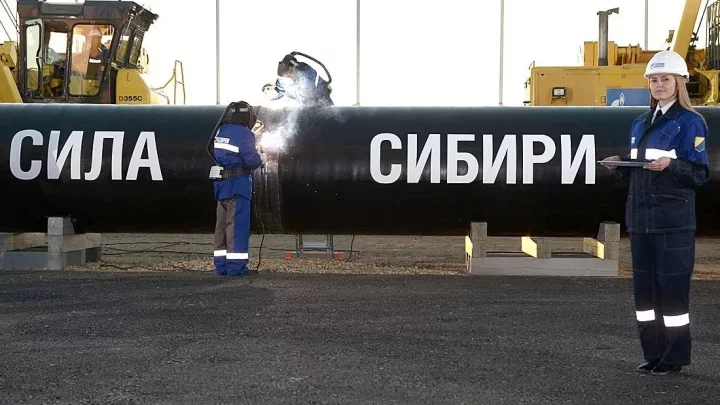 Photo: Kremlin.ru
Russia plans to apply the same pricing formula used for European gas deliveries exported via the future Power of Siberia-2 pipeline to China through Mongolia, President Vladimir Putin said during the Eastern Economic Forum in Vladivostok, Orda.kz reports, citing Interfax.
The mechanism is identical. What differs are the underlying price indicators for energy products in different regions. In Europe they are one level, in Asia another. But the way the final gas price is calculated remains fully market-based, Putin explained.
On September 2, Gazprom and China’s CNPC signed a memorandum to move forward with Power of Siberia-2 as well as the Soyuz-Vostok transit line through Mongolia.
Russian Energy Minister Sergey Tsivilyov later noted that the project is still undergoing a preliminary feasibility study, adding that clearer timelines may emerge next year.
Energy economist Tatiana Lanshina told The Insider that Beijing will ultimately set the terms:
China doesn’t really have an immediate demand for extra gas, and a memorandum won’t change that. Beijing holds the stronger position in talks, with the ability to select among suppliers and dictate price and conditions. It has no intention of becoming dependent on Russian energy. Russia, on the other hand, has little room to maneuver. Until that changes, prices for Chinese deliveries will be much lower than what Europe used to pay — and by 2027, European purchases are scheduled to stop altogether.
She added that the second pipeline is designed to redirect flows currently going westward:
Power of Siberia-1 draws from Eastern Siberian fields located near China’s border. The second line would tap Western Siberian reserves that historically supplied Europe. Running the route through Mongolia is the most direct option, and the terrain makes it more practical as well.
Following the initial announcement, experts cautioned that Moscow’s announcement was premature — it outlines intentions rather than a final commitment.
As noted by Viktor Gao and Alexander Gabuev, a memorandum lacking these details can’t be considered a completed deal, according to The Financial Times.
Latest news
- Orda.kz Editorial Team to Cease Operations on September 1
- The Price of a Degree: How Students in Kazakhstan Pay for University
- Second Przewalski’s Horse Foal Born as Species Returns to Kazakhstan
- Kazakh Mining Companies Can Recalculate Purchases if Tenge Weakens
- Kazakhstan Names First Vice President in Three Decades
- What Almaty’s Bus Shelters Are Missing
- 400-Truck Queue Builds at Kazakh–Kyrgyz Border
- Kazakhstan Ready to Help Feed and Rebuild Gaza
- Tokayev Establishes New Presidential Security Body
- Almaty Takes Back Its Nearly Century-Old Hippodrome
- No More Guesswork on Savings: Kazakhstan Tightens Energy Audits for Businesses
- Public Money Could Be Used to Rescue Failing Kazakh Banks
- Third Kazakh Woman Reported Missing in Nepal-China Flood Zone
- Falconer Convicted Over 35 Protected Birds, Spared Punishment Under Amnesty
- Kazakh Citizen Detained in Yakutia in Phone Fraud Case
- Yuan Instead of Dollars? KazMunayGas Draws Record Demand in Asia
- China Gains Oil-Market Influence as OPEC+ Weakens
- Kazakhstan to Divide Smartphones Into White, Gray and Black Lists
- Kazakhstan’s Government Formally Resigns as First Kurultai Session Opens
- Rare Lynx Sighting Recorded in Northern Kazakhstan
