

Oil Shock: How the Israel-Iran Conflict Could Affect Kazakhstan
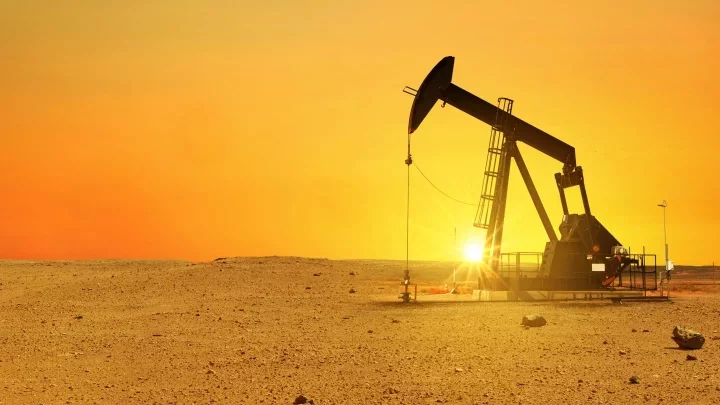 Photo: Elements.envato.com, ill purposes
The latest flare-up in the Middle East has already shaken global markets, sending oil prices upward. Economist Ruslan Sultanov analyzed the potential consequences of the Iranian-Israeli conflict for Kazakhstan’s economy on his Telegram channel Tengenomika, Orda.kz reports.
According to Sultanov, escalating tensions in the region — especially with the possibility of direct U.S. involvement — are pushing the global economy closer to a critical tipping point.
The most immediate effect has been the rise in oil prices. At first glance, this might seem like good news for an oil-exporting country like Kazakhstan.
Still, Sultanov cautions that a so-called “oil shock” could actually trigger a global economic downturn.
Experts at Oxford Economics warn that in the worst-case scenario, oil could spike to $130 per barrel (JPMorgan offers a similar forecast), potentially cutting up to 0.8% of global GDP,he notes.
A major concern is the potential partial or full closure of the Strait of Hormuz, a vital chokepoint in global energy transport and a key route controlled by Iran. Should the Strait be blocked, the resulting supply shortage would be severe.
The Strait of Hormuz is the ‘narrow neck’ of global energy: 20 million barrels of oil per day (a quarter of all seaborne oil), 35% of all LNG, and nearly all exports from the Persian Gulf pass through it. The strait is only 21 miles wide. A complete closure isn’t yet the base-case scenario for many strategists, but after the strikes on Iran, that likelihood has increased. According to Danske Bank analysts, such a move would constitute an unprecedented negative supply shock — at least in modern history,Sultanov explains.
If oil prices soar, inflation in the United States could climb to 4–5%, setting off ripple effects across developing economies, including Kazakhstan.
“Rising oil prices might create a short-term fiscal surplus, but they also bring inflationary pressure, especially amid devaluation fears and reliance on imports. What does this mean in case of escalation? The tenge and other similar currencies are highly sensitive to capital flows. If the dollar strengthens, we’ll see pressure on emerging market currencies. Investors flee to dollar assets, importers pay more, and under conditions of limited currency liquidity, the tenge exchange rate may start to ‘creep’ upward,” warns Sultanov.
The ongoing uncertainty could also spook investors into pulling out of Kazakh assets, reduce demand for the tenge, and increase government spending on debt servicing. Sectors like banking and construction could see falling share prices.
For now, most experts believe a total blockade of the Strait of Hormuz is unlikely.
Even the threat of such a move is enough to push up insurance costs and disrupt supply chains.
Sultanov notes that markets are still pricing in a short-lived conflict.
There’s been a lot of information noise lately — trade wars, a falling dollar, recession fears, inflation, and now war. Recently, it has intensified: U.S. strikes, an announcement of Russia being ready to supply nuclear weapons to Iran, and speculation about the strait’s closure. But stock market futures fell only about 0.5% at the open, and oil prices rose no more than 2%. This suggests the market isn’t expecting a drawn-out conflict. If the closure of the Strait of Hormuz were truly being priced in, oil would already be significantly higher. Objectively, the market still expects a short war,Sultanov concludes.
Original Author: Nikita Drobny
Latest news
- Orda.kz Editorial Team to Cease Operations on September 1
- The Price of a Degree: How Students in Kazakhstan Pay for University
- Second Przewalski’s Horse Foal Born as Species Returns to Kazakhstan
- Kazakh Mining Companies Can Recalculate Purchases if Tenge Weakens
- Kazakhstan Names First Vice President in Three Decades
- What Almaty’s Bus Shelters Are Missing
- 400-Truck Queue Builds at Kazakh–Kyrgyz Border
- Kazakhstan Ready to Help Feed and Rebuild Gaza
- Tokayev Establishes New Presidential Security Body
- Almaty Takes Back Its Nearly Century-Old Hippodrome
- No More Guesswork on Savings: Kazakhstan Tightens Energy Audits for Businesses
- Public Money Could Be Used to Rescue Failing Kazakh Banks
- Third Kazakh Woman Reported Missing in Nepal-China Flood Zone
- Falconer Convicted Over 35 Protected Birds, Spared Punishment Under Amnesty
- Kazakh Citizen Detained in Yakutia in Phone Fraud Case
- Yuan Instead of Dollars? KazMunayGas Draws Record Demand in Asia
- China Gains Oil-Market Influence as OPEC+ Weakens
- Kazakhstan to Divide Smartphones Into White, Gray and Black Lists
- Kazakhstan’s Government Formally Resigns as First Kurultai Session Opens
- Rare Lynx Sighting Recorded in Northern Kazakhstan
