

Maslikhat Deputies in Kazakhstan May Receive Expanded Powers
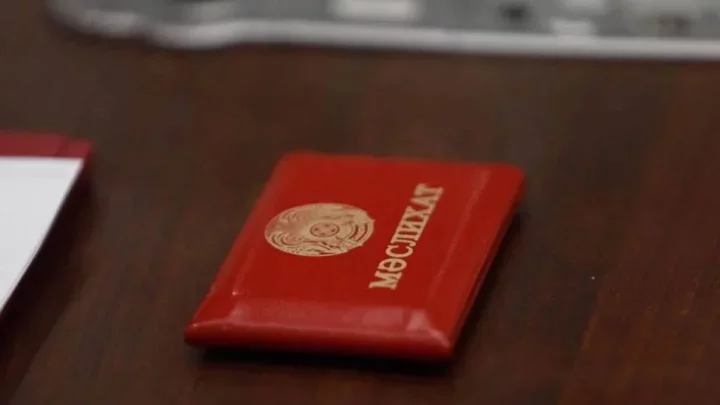 Photo: azh.kz
The Mazhilis is considering a bill with amendments to the law on local state administration and self-government that would expand the powers of maslikhat deputies, Orda.kz reports.
One of the key innovations is the development of self-government institutions. The bill clearly separates the concepts of an assembly and a meeting of the local community, introduces a notification procedure for holding them, and clarifies the functions of territorial councils.
An assembly is a self-government body, while a meeting is a form of participation by residents. The procedure for the formation and functions of territorial councils has been clarified. Before this, the norm on territorial councils hardly worked and was not applied. This allows residents of large villages and cities to participate more actively in governance.deputy Yekaterina Smyshlyayeva said.
The bill also proposes expanding the powers of maslikhats. Deputies would be able to take part in monitoring the implementation of akims’ plans, initiate budget changes, and work in budget commissions. Their role in the management of communal facilities would also be expanded. At the same time, deputy requests are to be published publicly.
The document also provides for stronger social guarantees for deputies, including compensation for travel expenses. If a maslikhat is dissolved, deputies working on a permanent basis would receive payments.
A maslikhat deputy working on a permanent basis, in the event of the dissolution of the maslikhat by the president and until employment or reaching retirement age, is paid a monthly allowance in the amount of his or her average monthly salary, but for no more than three months from the date of termination of powers, in the manner prescribed by the maslikhat’s rules.she added.
Local budgets may also receive additional sources of revenue in the form of new payments and fines. The authorities also plan to hold online broadcasts of meetings.
The bill further provides for monetary rewards for citizens involved in maintaining public order.
Original author: Ilya Astakhov
Read also:
Latest news
- Orda.kz Editorial Team to Cease Operations on September 1
- The Price of a Degree: How Students in Kazakhstan Pay for University
- Second Przewalski’s Horse Foal Born as Species Returns to Kazakhstan
- Kazakh Mining Companies Can Recalculate Purchases if Tenge Weakens
- Kazakhstan Names First Vice President in Three Decades
- What Almaty’s Bus Shelters Are Missing
- 400-Truck Queue Builds at Kazakh–Kyrgyz Border
- Kazakhstan Ready to Help Feed and Rebuild Gaza
- Tokayev Establishes New Presidential Security Body
- Almaty Takes Back Its Nearly Century-Old Hippodrome
- No More Guesswork on Savings: Kazakhstan Tightens Energy Audits for Businesses
- Public Money Could Be Used to Rescue Failing Kazakh Banks
- Third Kazakh Woman Reported Missing in Nepal-China Flood Zone
- Falconer Convicted Over 35 Protected Birds, Spared Punishment Under Amnesty
- Kazakh Citizen Detained in Yakutia in Phone Fraud Case
- Yuan Instead of Dollars? KazMunayGas Draws Record Demand in Asia
- China Gains Oil-Market Influence as OPEC+ Weakens
- Kazakhstan to Divide Smartphones Into White, Gray and Black Lists
- Kazakhstan’s Government Formally Resigns as First Kurultai Session Opens
- Rare Lynx Sighting Recorded in Northern Kazakhstan
