

Life in Minsk Today: Vadim Mozheiko on Repression, Fear, and Dependence on Russia

The latest ORDA News interview examines daily life in Minsk, the aftermath of the 2020 protests.
Gulnara Bazhkenova spoke with Vadim Mozheiko, director of the Kosciuszko Institute for Security Studies and a Belarusian political analyst and consultant.
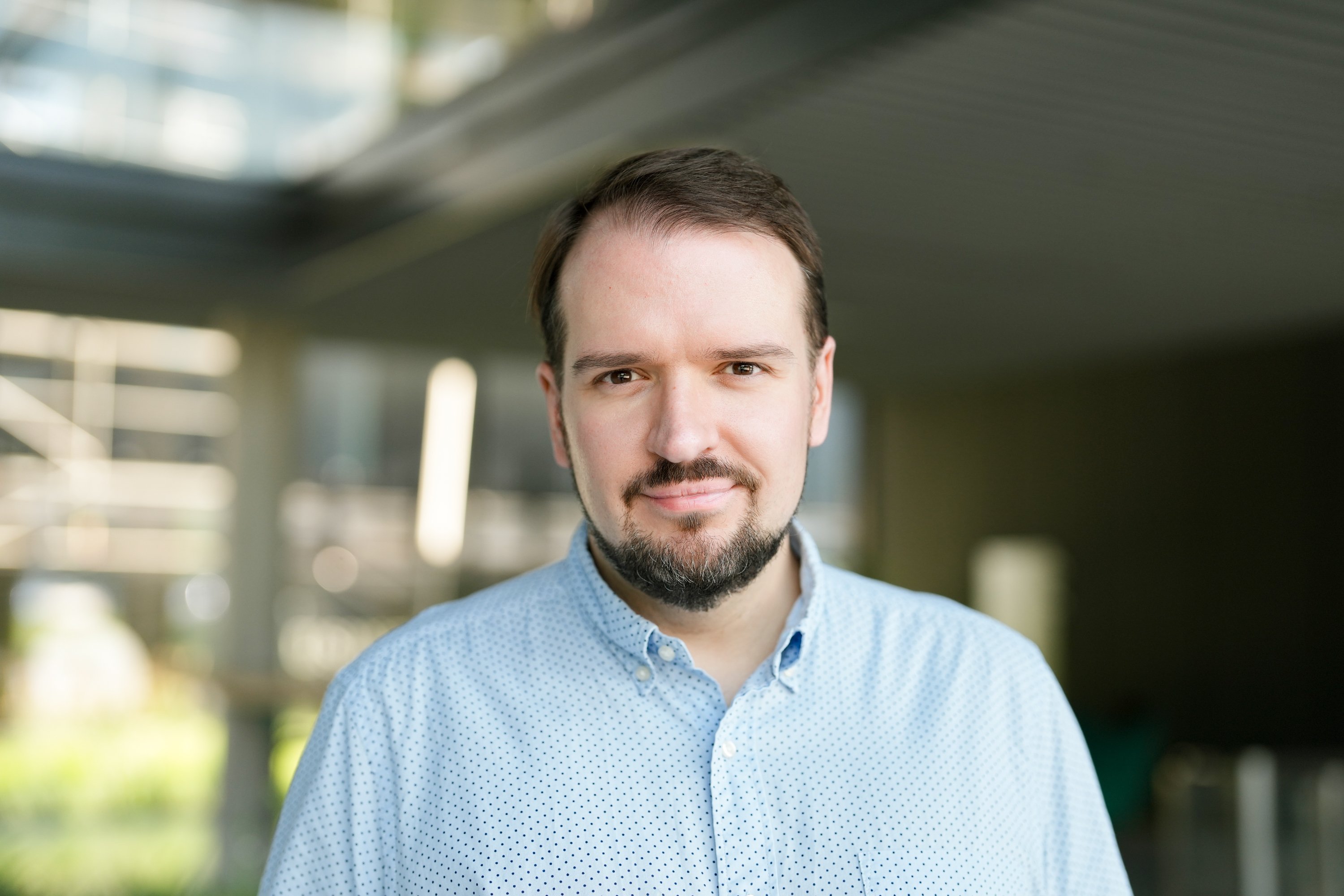
You can watch the new Republics episode in Russian on our YouTube channel; below are several key excerpts on Belarus’s political and social realities.
Post 2020
Since 2020, the domestic political situation in Belarus has been systematically deteriorating. This isn't even about the possibility of political participation, but rather about the possibility of living in the country at all for people with alternative opinions who publicly express them. It would seem that this chapter has already been turned; Lukashenko faked another presidential election in early 2025, but it remains a significant factor.
Even five years after the largest protests in Belarusian history, their impact persists.
A woman was reportedly denied a promotion because she had signed for the wrong candidate before the 2020 election.
Repression for participating in protests, following independent media, or even sharing links continues.
Freedom of Speech
After the protests were suppressed, the government purged the information space.
“All media within the country are controlled by the state,” Mozheiko says.
Independent outlets survive mostly abroad — 99% operate outside Belarus.
Those still in the country avoid politics or repeat government narratives. Human rights groups say more political prisoners are jailed each year than released under U.S. cooperation programs. Estimates exceed a thousand —huge for a country of under 10 million, comparable in absolute terms to Russia.
The Economic Reality
Until 2020, there was a clear upward trend; incomes were growing, and everything was quite good. The average official salary was around $500 for a long time. We reached this figure back in 2010; Lukashenko promised to reach $1,000, but it's still hovering around $500. A good salary these days is considered $700, although there are ads looking for personal assistants with a ton of work for $250. I don't know about Kazakhstan, but in Europe, cleaners earn more.
The war in Ukraine deepened Belarus’s isolation and spurred emigration.
After 2020, and especially after the war began, many Western brands and companies left Belarus, not only because of sanctions, but rather because of their reluctance and inability to operate normally. So people are switching to Chinese cars, and public transportation is increasingly Chinese, even though everyone knows Belarusian buses. Of course, no one died of hunger because McDonald's was replaced by Mac.by, and it's pretty much the same in all other areas. But there's a feeling that you're not entering the first world, but falling into a third, degrading. And this is one of the main sentiments — a lack of understanding of the future — what will happen next? And this is leading to an outflow of the working-age population, of young people. According to the most conservative estimates, out of nine and a half million Belarusians, between 300,000 and a million have left since 2020.
Lukashenko
Lukashenko has one goal — preserving his own power; ultimately, everything is heading in that direction. And it's clear that, while maintaining his power, he wants to implement a political project that seems right, reasonable, and in line with his ideals. But when choosing between his ideals and maintaining power, personalistic authoritarian leaders always choose to maintain their personal power. So, yes, Lukashenko has a certain outward appearance, an anti-Western stance, and vectors toward Russia — all of this is a toolkit necessary for maintaining power.
Mozheiko says that since 2020, Lukashenko has had less room to maneuver with Moscow.
He believes, quite rightly in some places, that Russia's economic, political, and military support is the key factor in maintaining his power, though certainly not the only one. Therefore, in this situation, he is choosing to focus on Russia. Relations between Minsk and Moscow have gone through very different periods — milk wars, oil wars, and gas wars. I don't think there's been any idyll or friendship, just as neither has any illusions about the other. At the moment, Lukashenko logically believes that remaining in Russia's wake is his only option, a situation he forced himself into in 2020. He has become completely dependent on Russia, as it is the external source of his legitimacy. And the most important consequence of this is that Belarus has become a co-aggressor in the war between Russia and Ukraine. Opening one's territory to attack, according to all UN documents, is the classic definition of co-aggression.
Society
The key message about the mood of people in Belarus is fear. People are scared, and not without reason. Repression continues, people are being jailed for forwarding links to independent media. Popular independent media, as well as their content, are deemed extremist, so this is tantamount to sending Mein Kampf by email. Talking to the first person you meet, even someone who's just flown in from Kazakhstan on a business trip, about politics is a really bad idea; I wouldn't advise anyone in Belarus to do so. People aren't goldfish; they remember what happened five years ago, they remember what happened three years ago, when the invasion began. During that time, about two thousand public organizations have been liquidated. Belarusians see this, so they try to keep a low profile.
Original Author: Maria Kravtsova
Latest news
- Orda.kz Editorial Team to Cease Operations on September 1
- The Price of a Degree: How Students in Kazakhstan Pay for University
- Second Przewalski’s Horse Foal Born as Species Returns to Kazakhstan
- Kazakh Mining Companies Can Recalculate Purchases if Tenge Weakens
- Kazakhstan Names First Vice President in Three Decades
- What Almaty’s Bus Shelters Are Missing
- 400-Truck Queue Builds at Kazakh–Kyrgyz Border
- Kazakhstan Ready to Help Feed and Rebuild Gaza
- Tokayev Establishes New Presidential Security Body
- Almaty Takes Back Its Nearly Century-Old Hippodrome
- No More Guesswork on Savings: Kazakhstan Tightens Energy Audits for Businesses
- Public Money Could Be Used to Rescue Failing Kazakh Banks
- Third Kazakh Woman Reported Missing in Nepal-China Flood Zone
- Falconer Convicted Over 35 Protected Birds, Spared Punishment Under Amnesty
- Kazakh Citizen Detained in Yakutia in Phone Fraud Case
- Yuan Instead of Dollars? KazMunayGas Draws Record Demand in Asia
- China Gains Oil-Market Influence as OPEC+ Weakens
- Kazakhstan to Divide Smartphones Into White, Gray and Black Lists
- Kazakhstan’s Government Formally Resigns as First Kurultai Session Opens
- Rare Lynx Sighting Recorded in Northern Kazakhstan
