

Lake Inder: Unlocking Regional Development While Preserving Natural Heritage
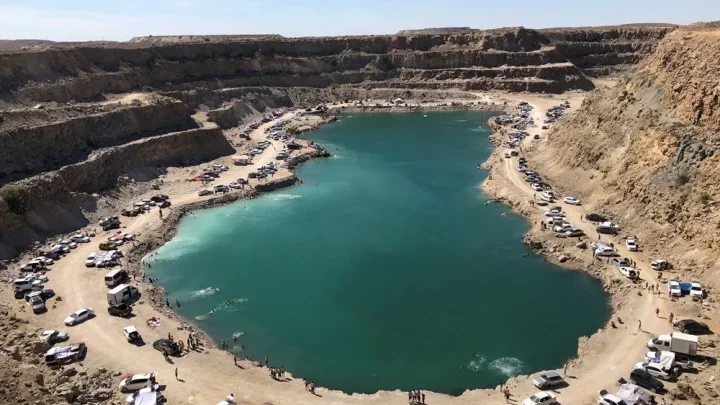 Photo: azh.kz
Inder is a salt lake in the Atyrau region. It is known for its high-quality, self-precipitated salt, rich in chemical elements.
More than just a natural landmark, Inder offers opportunities for regional industrial development, job creation, and infrastructure improvements, Orda.kz reports.
Until the end of 2024, Lake Inder was included in Kazakhstan’s natural reserve fund of national significance. During the Soviet era, it was envisioned as a resource for the USSR's chemical industry.
However, industrial salt production began only in the 1990s, focusing primarily on technical road salt for the Russian market. The operations were carried out by INDER TUZ COMPANY.
It produced approximately 90,000 tons of salt in 2023. Despite extending its mining license in 2024, the company still employs outdated methods and heavy machinery.
This traditional approach to salt mining has raised concerns about environmental damage among locals, alongside longstanding issues such as unemployment, poor infrastructure, and limited access to medical services.
A 2024 sociological survey by the Scientific Research Center for Innovative Education confirmed these challenges as top concerns for the community.
A Shift Toward Innovation and Sustainability
In 2022, a license for solid mineral exploration on Lake Inder was issued to Araltuz JSC. This marked the company’s entry into the Atyrau region, bringing modern and eco-friendly mining technologies.
Before obtaining a license for mining and developing a mining plan, a comprehensive assessment of the enterprise's environmental impact will be conducted. Additionally, the company uses the latest production technologies that are environmentally efficient, significantly different from traditional methods, and backed by extensive experience in responsibly developing regions while preserving natural heritage, noted specialists from Araltuz.
Before commencing operations, the company's specialists considered a comprehensive environmental impact assessment. Leveraging its 100-year history in salt production, particularly in the Qyzylorda region, the company has implemented innovative, environmentally responsible practices, including:
- Modern European equipment to minimize environmental impact during production
- Annual salt layer restoration to ensure sustainable replenishment of the lake’s resources
These methods allow the lake to maintain its natural self-healing ability, ensuring production remains eco-friendly and safe for the ecosystem and local communities.
At the same time, salt production does not involve any additional water extraction.
Economic Opportunities: Jobs and Regional Development
Araltuz’s salt mining project is set to have a transformative effect on the Atyrau region’s economy by:
- Creating hundreds of jobs and reducing unemployment
- Increasing tax revenues for local and national budgets
- Supporting small and medium-sized businesses
- Developing social and transport infrastructure
That is why 84% of local residents surveyed supported the idea of changing the status of Lake Inder.
Products and markets
Salt mined on Lake Inder can be used in various industries, including:
- The food industry
- The chemical industry
- Oil production, particularly for drilling fluid preparation
The quality of Inder salt meets high international standards, which puts the products in demand both on the domestic market and abroad.
Today, Lake Inder is emerging as a symbol of the region's future.
With a century-long history, Kazakhstan's largest producer embraces modern environmental practices that promote responsible resource use while contributing to job creation and infrastructure development.
By combining innovative technologies with available opportunities, the region is poised for sustainable growth that will benefit both the economy and the local community.
Founded in 1925, Araltuz JSC is Kazakhstan’s first and largest national edible and industrial salt producer. Over its 100-year history, the company has played a key role in the Aral region, employing more than 1,200 people. It has established itself as a responsible, socially oriented company, systematically directing a significant part of its income to regular assistance to Jaqsyqylysh village residents and financing social expenses of the entire region. The company allocates funds annually to develop the region's infrastructure, healthcare, education, and sports.
Original Author: Ilya Astakhov
Latest news
- Orda.kz Editorial Team to Cease Operations on September 1
- The Price of a Degree: How Students in Kazakhstan Pay for University
- Second Przewalski’s Horse Foal Born as Species Returns to Kazakhstan
- Kazakh Mining Companies Can Recalculate Purchases if Tenge Weakens
- Kazakhstan Names First Vice President in Three Decades
- What Almaty’s Bus Shelters Are Missing
- 400-Truck Queue Builds at Kazakh–Kyrgyz Border
- Kazakhstan Ready to Help Feed and Rebuild Gaza
- Tokayev Establishes New Presidential Security Body
- Almaty Takes Back Its Nearly Century-Old Hippodrome
- No More Guesswork on Savings: Kazakhstan Tightens Energy Audits for Businesses
- Public Money Could Be Used to Rescue Failing Kazakh Banks
- Third Kazakh Woman Reported Missing in Nepal-China Flood Zone
- Falconer Convicted Over 35 Protected Birds, Spared Punishment Under Amnesty
- Kazakh Citizen Detained in Yakutia in Phone Fraud Case
- Yuan Instead of Dollars? KazMunayGas Draws Record Demand in Asia
- China Gains Oil-Market Influence as OPEC+ Weakens
- Kazakhstan to Divide Smartphones Into White, Gray and Black Lists
- Kazakhstan’s Government Formally Resigns as First Kurultai Session Opens
- Rare Lynx Sighting Recorded in Northern Kazakhstan
