

Kokshetau Power Plant Shifts to Domestic Financing and Chinese Equipment
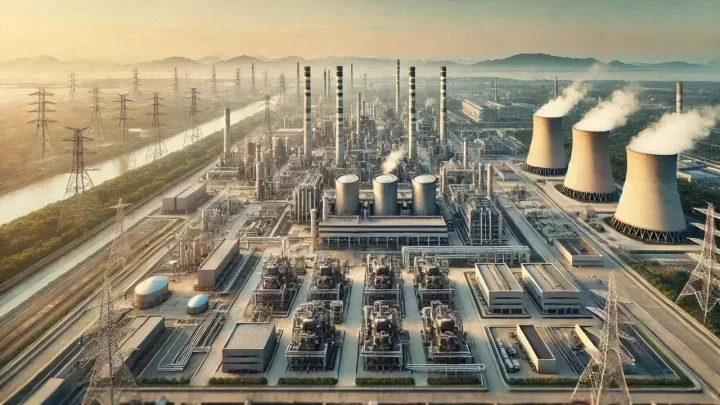 AI-generated illustration
The company building Kokshetau’s new combined heat and power plant is issuing 60 billion tenge in bonds after an expected low-cost Russian loan failed to materialize. The project now relies on Kazakh financing and primarily Chinese equipment, Orda.kz reports, citing Finmentor.
Financial analyst Arman Batayev said Russia had initially discussed providing a 20-year ruble-denominated loan at approximately 7% interest. Russian companies were also expected to supply the equipment.
However, the financing never arrived.
Kazakhstan subsequently decided to build the CHP plant independently. In 2025, Samruk-Kazyna and Samruk-Energy contributed 34.6 billion tenge to the project company’s capital.
Contracts for construction and the supply of key equipment were awarded mainly to Chinese companies. Their combined value is approximately 356 billion tenge.
The project company later considered borrowing through Samruk-Kazyna for 10 years at 16.5% interest. It is now issuing15-year bonds worth 60 billion tenge on the Astana International Exchange.
The floating coupon is linked to the TONIA Compounded rate, which was around 18% at the time of the announcement, plus a margin of up to 1.5 percentage points. The bonds will mature in August 2041.
The original construction model has changed completely. Instead of Russian financing and technology, the project will rely on domestic funding and Chinese equipment,Batayev wrote.
He believes the project reflects a broader shift in Kazakhstan, with Russia gradually losing ground both as a source of financing for major infrastructure projects and as a supplier of technology and equipment.
How Russia Lost All Three CHP Projects
Russia originally planned to build three CHP plants in Kazakhstan — in Kokshetau, Semey and Oskemen. However, Astana never received confirmation that the promised financing would be provided.
In the summer of 2025, Prime Minister Olzhas Bektenov said Kazakhstan could no longer wait and had begun developing the Kokshetau plant independently.
By April 2026, it had become clear that Russia would not build any of the three plants. Samruk-Energy took over the Kokshetau project, while a Kazakh-Singaporean consortium will build the plants in Semey and Oskemen.
Original author: Ruslan Loginov
Read also:
- Minister Details Financing for New CHPPs in Three Cities
- Planned Thermal Power Plant Projects with Russia at Risk, Analyst Says There’s Nothing Positive About It
- Kazakhstan Replaces Russian Turbines With Chinese Equipment for Ekibastuz Power Plant No. 2
Latest news
- Orda.kz Editorial Team to Cease Operations on September 1
- The Price of a Degree: How Students in Kazakhstan Pay for University
- Second Przewalski’s Horse Foal Born as Species Returns to Kazakhstan
- Kazakh Mining Companies Can Recalculate Purchases if Tenge Weakens
- Kazakhstan Names First Vice President in Three Decades
- What Almaty’s Bus Shelters Are Missing
- 400-Truck Queue Builds at Kazakh–Kyrgyz Border
- Kazakhstan Ready to Help Feed and Rebuild Gaza
- Tokayev Establishes New Presidential Security Body
- Almaty Takes Back Its Nearly Century-Old Hippodrome
- No More Guesswork on Savings: Kazakhstan Tightens Energy Audits for Businesses
- Public Money Could Be Used to Rescue Failing Kazakh Banks
- Third Kazakh Woman Reported Missing in Nepal-China Flood Zone
- Falconer Convicted Over 35 Protected Birds, Spared Punishment Under Amnesty
- Kazakh Citizen Detained in Yakutia in Phone Fraud Case
- Yuan Instead of Dollars? KazMunayGas Draws Record Demand in Asia
- China Gains Oil-Market Influence as OPEC+ Weakens
- Kazakhstan to Divide Smartphones Into White, Gray and Black Lists
- Kazakhstan’s Government Formally Resigns as First Kurultai Session Opens
- Rare Lynx Sighting Recorded in Northern Kazakhstan
