

Key Outcomes of The Tashkent Summit
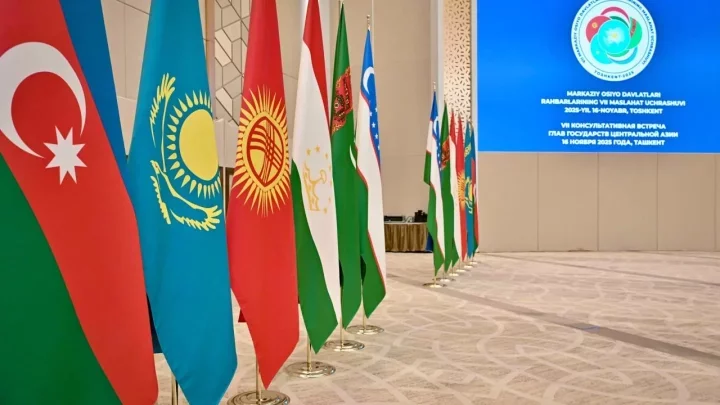 Photo: Aqorda
A summit of Central Asian heads of state took place this past weekend in Tashkent, Orda.kz reports.
The meeting was held amid increasing interest in the region from external partners and the states’ own efforts to establish clearer rules in economic cooperation, security, and regional governance. The presidents discussed issues ranging from trade and technology to extremism and transnational crime.
Azerbaijan Joins The Format
The main political outcome was Azerbaijan’s accession as a full participant in the Consultative Meeting.
The format, previously limited to Central Asian states, now includes a major partner in regional energy and transport.
President Qasym-Jomart Toqayev noted that Central Asia is entering a period of transformation, moving away from isolation and strengthening connectivity, which he described as a foundation for future economic and political initiatives.
Trade and Joint Projects
The economic discussions centered on two goals:
- Increasing mutual trade—currently $11.5 billion, with the potential to reach $20 billion
- Developing joint projects instead of separate national initiatives
Kazakhstan proposed further development of the agro-industrial sector, including advanced grain and oilseed processing, as well as building modern storage and logistics facilities.
Toqayev highlighted that large projects are already underway and stressed the importance of maintaining momentum.
Transport and Transit
Transit issues were a shared priority. To support the region’s ambition to become a major Eurasian hub, Kazakhstan proposed:
- Creating a unified electronic cargo-tracking system to reduce duplicate checks and bureaucracy
- Adopting a joint strategy for Central Asia’s transport development
The discussion also covered industrial hubs near borders and more efficient use of existing corridors.
Resources, Research, and AI
Toqayev outlined new areas for cooperation, including:
- Joint work on rare earth metals found across the region
- Creating a research center in Astana to consolidate data and technologies
He also raised the issue of artificial intelligence, calling for unified AI standards and a declaration on data exchange and transparency in digital initiatives.
Water, Security, and Cultural Cooperation
Kazakhstan proposed harmonizing water policies and reviewing a draft framework convention on water management. Security issues — extremism, drug trafficking, and other cross-border risks — were discussed at the level of national security councils.
The humanitarian agenda included joint tourism routes, a regional brand for Central Asia, and cultural projects. Kazakhstan expressed support for further developing the Center for Islamic Civilization in Tashkent.
Documents Signed
- A joint statement from the VII Consultative Meeting
- A regional security risk catalog with measures for 2026–2028
- The decision to admit Azerbaijan as a full participant
Original Author: Dinara Bekbolayeva
Latest news
- Orda.kz Editorial Team to Cease Operations on September 1
- The Price of a Degree: How Students in Kazakhstan Pay for University
- Second Przewalski’s Horse Foal Born as Species Returns to Kazakhstan
- Kazakh Mining Companies Can Recalculate Purchases if Tenge Weakens
- Kazakhstan Names First Vice President in Three Decades
- What Almaty’s Bus Shelters Are Missing
- 400-Truck Queue Builds at Kazakh–Kyrgyz Border
- Kazakhstan Ready to Help Feed and Rebuild Gaza
- Tokayev Establishes New Presidential Security Body
- Almaty Takes Back Its Nearly Century-Old Hippodrome
- No More Guesswork on Savings: Kazakhstan Tightens Energy Audits for Businesses
- Public Money Could Be Used to Rescue Failing Kazakh Banks
- Third Kazakh Woman Reported Missing in Nepal-China Flood Zone
- Falconer Convicted Over 35 Protected Birds, Spared Punishment Under Amnesty
- Kazakh Citizen Detained in Yakutia in Phone Fraud Case
- Yuan Instead of Dollars? KazMunayGas Draws Record Demand in Asia
- China Gains Oil-Market Influence as OPEC+ Weakens
- Kazakhstan to Divide Smartphones Into White, Gray and Black Lists
- Kazakhstan’s Government Formally Resigns as First Kurultai Session Opens
- Rare Lynx Sighting Recorded in Northern Kazakhstan
