

Kazatomprom Halts Uranium Mining, Cameco Issues Statement: What’s Happening at Inkai Deposit
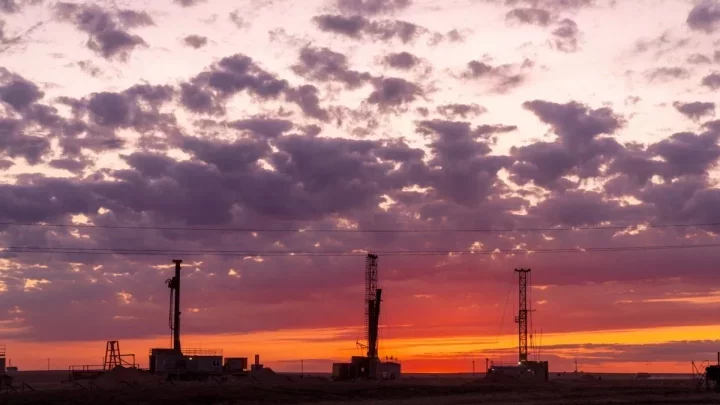 Photo: kazatomprom.kz
A significant uranium mining operation in Kazakhstan has temporarily stopped as of January 1, 2025, when Inkai Joint Venture LLP suspended production at site No. 1 of the Inkai deposit in the Sozak district, Orda reports.
The suspension was announced yesterday by Kazatomprom.
The halt in operations stems from regulatory compliance issues.
Under Kazakhstani law, mining operations require an approved development project, and JV Inkai was unable to secure the necessary approvals in time.
However, as of December 30, 2024, JV Inkai LLP, having failed to ensure the timely provision of the required documentation, did not receive the necessary approval from the competent authorities of the Republic of Kazakhstan. In this regard, in order to comply with current legislation, JV Inkai LLP temporarily suspends production at the field, the message says.
The joint venture is expected to submit all required documentation to Kazakhstan's Ministry of Energy within two weeks, which should resolve the situation.
Kazatomprom, with a 60% stake in JV Inkai, moved quickly to reassure stakeholders.
The company estimates that this circumstance will not have a significant impact on Kazatomprom's production plans for 2025. The company remains committed to its contractual obligations to all customers and has sufficient reserves to ensure timely deliveries of uranium in full during 2025, the national company emphasized.
Meanwhile, Cameco, the Canadian nuclear fuel producer with the remaining 40% stake, expressed concern:
We are disappointed and surprised by this unexpected suspension and we will be seeking further clarification on how this transpired, as well as the potential 2025 and 2026 production and financial impacts (including on future dividends), and what Cameco can do to help Kazatomprom and JV Inkai restart mining operations, the company said in a statement.
Economics expert Rakhimbek Abdrakhmanov offered an additional interpretation:
At the same time, some analysts associate this halt with Rosatom, which is the largest participant in Kazakhstan's uranium joint ventures. Rosatom's subsidiary, Uranium One Group, accounts for 58% of the reserves in the joint venture, which are classified as foreign participants in Kazakhstan - 154 thousand tons. The closest competitor may be Canada's Cameco (49.5 thousand tons). After the start of the SMO, the Canadian company changed the uranium delivery route bypassing Russia, and also refused to purchase the materials needed for mining in Russia. Cameco admitted that this created major difficulties both in mining and in terms of delivery times.
The Inkai deposit in the Turkestan region's Sozak district remains one of Kazakhstan's most significant uranium resources.
Original Author: Rimma Karataeva
Latest news
- Orda.kz Editorial Team to Cease Operations on September 1
- The Price of a Degree: How Students in Kazakhstan Pay for University
- Second Przewalski’s Horse Foal Born as Species Returns to Kazakhstan
- Kazakh Mining Companies Can Recalculate Purchases if Tenge Weakens
- Kazakhstan Names First Vice President in Three Decades
- What Almaty’s Bus Shelters Are Missing
- 400-Truck Queue Builds at Kazakh–Kyrgyz Border
- Kazakhstan Ready to Help Feed and Rebuild Gaza
- Tokayev Establishes New Presidential Security Body
- Almaty Takes Back Its Nearly Century-Old Hippodrome
- No More Guesswork on Savings: Kazakhstan Tightens Energy Audits for Businesses
- Public Money Could Be Used to Rescue Failing Kazakh Banks
- Third Kazakh Woman Reported Missing in Nepal-China Flood Zone
- Falconer Convicted Over 35 Protected Birds, Spared Punishment Under Amnesty
- Kazakh Citizen Detained in Yakutia in Phone Fraud Case
- Yuan Instead of Dollars? KazMunayGas Draws Record Demand in Asia
- China Gains Oil-Market Influence as OPEC+ Weakens
- Kazakhstan to Divide Smartphones Into White, Gray and Black Lists
- Kazakhstan’s Government Formally Resigns as First Kurultai Session Opens
- Rare Lynx Sighting Recorded in Northern Kazakhstan
