

Kazakhstan: Smog Descends on Mining City
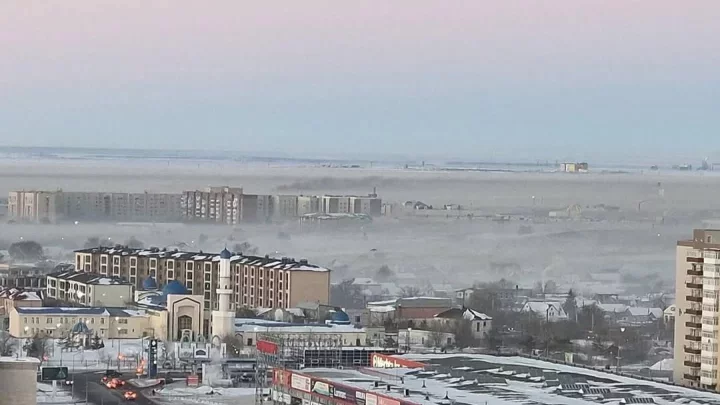 Photo: ekaraganda
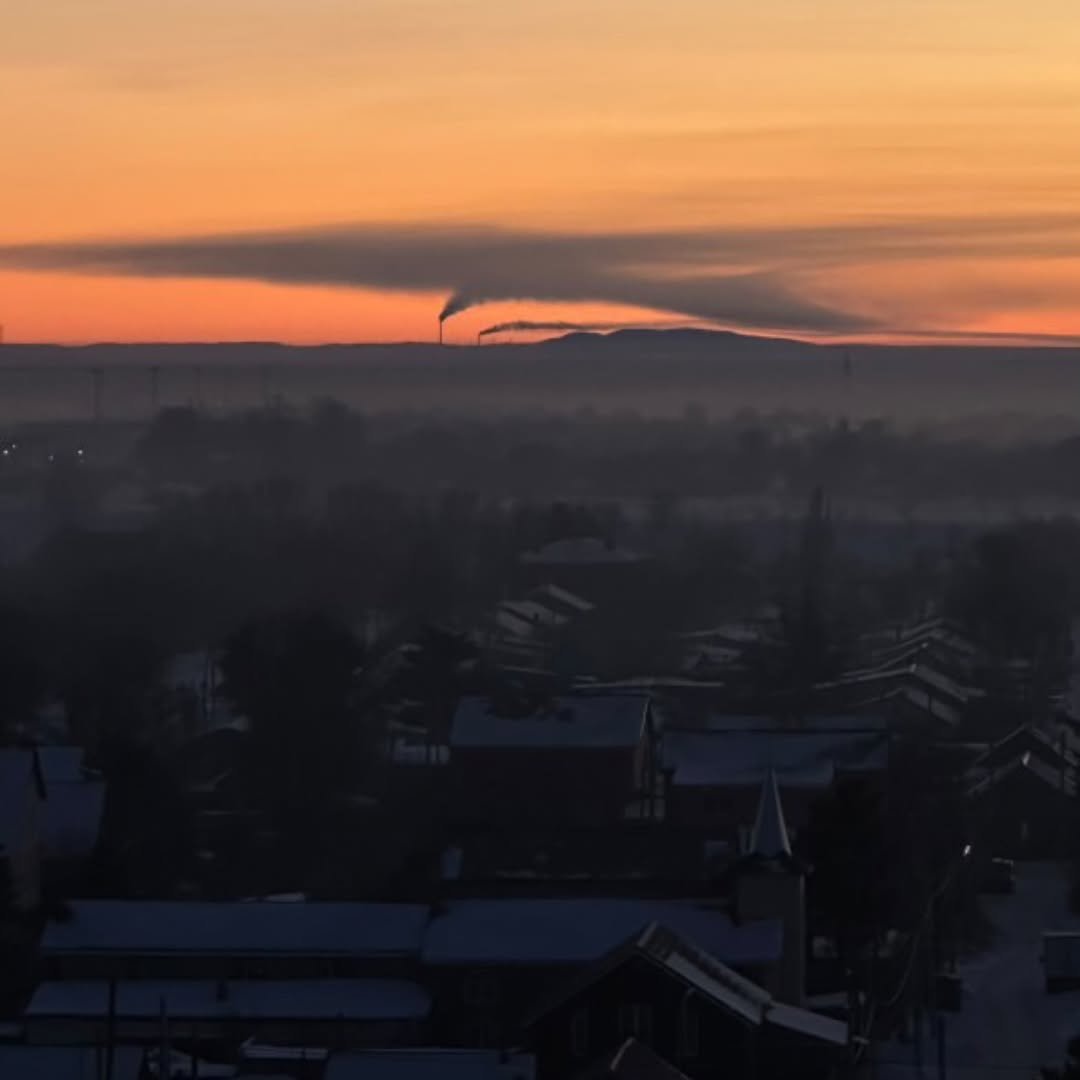
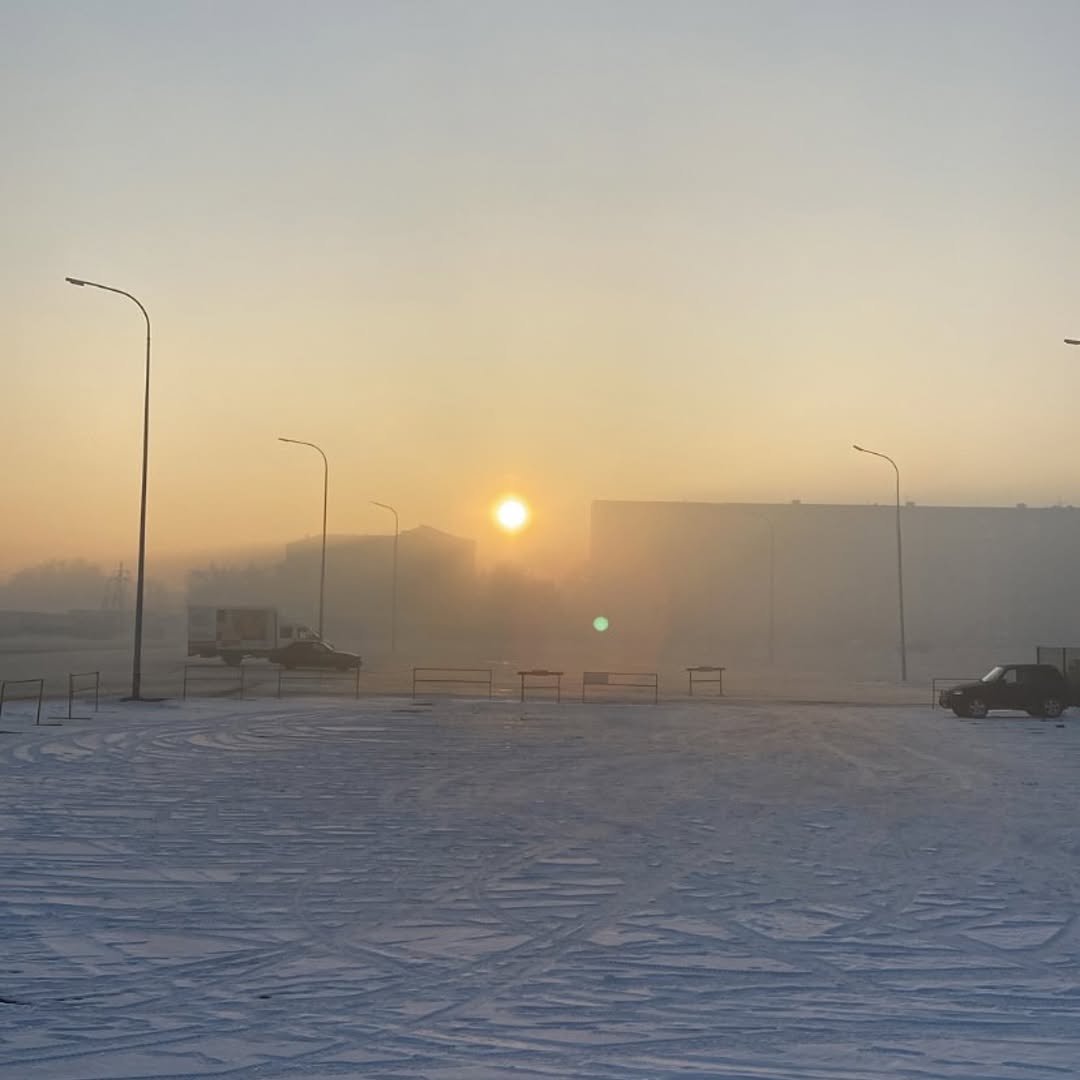
A thick blanket of smog has descended upon the mining capital, becoming particularly visible as evening falls.
An Orda.kz correspondent reports that residents are experiencing health issues, which they attribute to the deteriorating air quality.
While local environmental experts have confirmed that harmful substances in the air exceed normal levels by four times, many locals believe the situation is worse than official reports suggest.
Residents describe symptoms, including throat pain, nasal irritation, and burning sensations.
Though experts conducted air quality measurements, they did so during morning hours when smog levels subsided.
According to the regional ecology department, air samples were collected across several city districts: Southeast, Maykuduq, Prishakhtinsk, Mikhailovka, and the New Market area along Kirpichnaya Street.
Their findings revealed that multiple pollutants — suspended particles, soot, nitrogen oxide and dioxide, sulfur dioxide, and hydrogen sulfide — exceeded maximum permissible concentrations by 1.5 to four times.
RSE Kazhydromet explains that the problem is exacerbated by still air and temperature inversion, a weather phenomenon that traps warm air and allows pollutants to accumulate.
They identify three primary pollution sources: stove heating, poor-quality coal, and vehicle emissions.
Environmental experts note that areas with gas heating show no excessive pollution levels.
However, gas infrastructure only serves a portion of Qaraganda, with the remaining districts waiting until 2030 for gasification.
The situation has worsened as residents increasingly adopt "weekly" stoves, which produce more smoke due to incomplete coal combustion.
Locals also report issues with fuel quality, noting that premium-grade coal is often diluted with inferior products.
Air quality monitoring in Qraganda and Temirtau's industrial zones occurs monthly, while major regional facilities undergo quarterly inspections.
Additional testing only occurs if Kazhydromet detects high or extremely high pollution levels.
Original Author: Inna Rutz
Latest news
- Orda.kz Editorial Team to Cease Operations on September 1
- The Price of a Degree: How Students in Kazakhstan Pay for University
- Second Przewalski’s Horse Foal Born as Species Returns to Kazakhstan
- Kazakh Mining Companies Can Recalculate Purchases if Tenge Weakens
- Kazakhstan Names First Vice President in Three Decades
- What Almaty’s Bus Shelters Are Missing
- 400-Truck Queue Builds at Kazakh–Kyrgyz Border
- Kazakhstan Ready to Help Feed and Rebuild Gaza
- Tokayev Establishes New Presidential Security Body
- Almaty Takes Back Its Nearly Century-Old Hippodrome
- No More Guesswork on Savings: Kazakhstan Tightens Energy Audits for Businesses
- Public Money Could Be Used to Rescue Failing Kazakh Banks
- Third Kazakh Woman Reported Missing in Nepal-China Flood Zone
- Falconer Convicted Over 35 Protected Birds, Spared Punishment Under Amnesty
- Kazakh Citizen Detained in Yakutia in Phone Fraud Case
- Yuan Instead of Dollars? KazMunayGas Draws Record Demand in Asia
- China Gains Oil-Market Influence as OPEC+ Weakens
- Kazakhstan to Divide Smartphones Into White, Gray and Black Lists
- Kazakhstan’s Government Formally Resigns as First Kurultai Session Opens
- Rare Lynx Sighting Recorded in Northern Kazakhstan
