

Kazakhstan: Ruble Strengthens Amid Cash Surplus But Non-Cash Shortage — Economist Warns of Liquidity Split
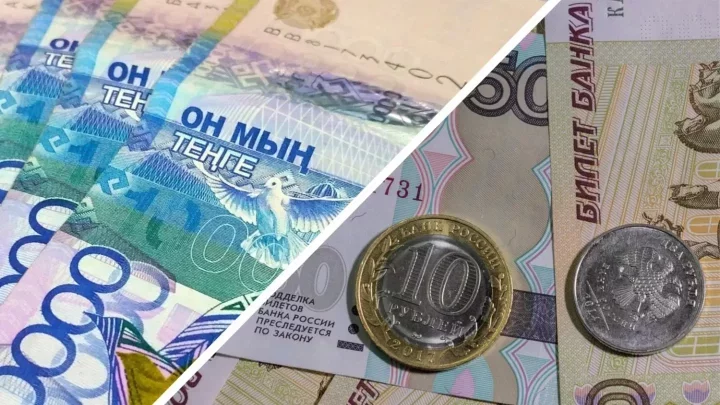 Photo: Pixabay, illustrative purposes
Kazakhstan has an unusual currency imbalance: rubles are abundant in cash form, but almost unavailable electronically — a situation that is now pushing the Russian ruble upward on the exchange, Orda.kz reports.
Economist Yeldar Shamsutdinov notes that despite households and small traders actively circulating cash rubles, the exchange rate continues to grow, exceeding 6.6 tenge per ruble. He calls this a result of a “crisis of heterogeneous liquidity,” where the supply of banknotes does not translate into the supply of non-cash currency.
In October, exchange offices sold far fewer rubles than they bought. Net sales plummeted to minus 32 billion tenge. Nevertheless, the exchange rate didn't decline; on the contrary, it remained at its highs,
Shamsutdinov wrote on Telegram.
The core driver is what the economist describes as an import trap. Kazakhstan remains heavily dependent on Russian goods — including food, electricity, machinery, and equipment — meaning importers must purchase non-cash rubles to settle contracts regardless of exchange rate pressure.
Cash rubles circulating among foreign visitors or workers and shadow importers do not enter the official market due to compliance limits and a lack of banking conversion channels.
Shamsutdinov notes that this makes importer demand inelastic, allowing the ruble to rise even under the National Bank’s record-high 18% interest rate. Cross-rate dynamics add to the pressure — when the tenge weakens against the dollar, the ruble strengthens automatically as a result.
Kazakhstan now finds itself with both a surplus of cash rubles and a sharp deficit of non-cash rubles, keeping the rate elevated for the foreseeable future.
For context, Kazakhstan’s budget deficit has reached 5.8 trillion tenge this year, prompting the government to borrow 6.5 trillion. External debt has climbed to a record $172.8 billion.
Original Author: Ruslan Loginov
Latest news
- Orda.kz Editorial Team to Cease Operations on September 1
- The Price of a Degree: How Students in Kazakhstan Pay for University
- Second Przewalski’s Horse Foal Born as Species Returns to Kazakhstan
- Kazakh Mining Companies Can Recalculate Purchases if Tenge Weakens
- Kazakhstan Names First Vice President in Three Decades
- What Almaty’s Bus Shelters Are Missing
- 400-Truck Queue Builds at Kazakh–Kyrgyz Border
- Kazakhstan Ready to Help Feed and Rebuild Gaza
- Tokayev Establishes New Presidential Security Body
- Almaty Takes Back Its Nearly Century-Old Hippodrome
- No More Guesswork on Savings: Kazakhstan Tightens Energy Audits for Businesses
- Public Money Could Be Used to Rescue Failing Kazakh Banks
- Third Kazakh Woman Reported Missing in Nepal-China Flood Zone
- Falconer Convicted Over 35 Protected Birds, Spared Punishment Under Amnesty
- Kazakh Citizen Detained in Yakutia in Phone Fraud Case
- Yuan Instead of Dollars? KazMunayGas Draws Record Demand in Asia
- China Gains Oil-Market Influence as OPEC+ Weakens
- Kazakhstan to Divide Smartphones Into White, Gray and Black Lists
- Kazakhstan’s Government Formally Resigns as First Kurultai Session Opens
- Rare Lynx Sighting Recorded in Northern Kazakhstan
