

Kazakhstan Joins Abraham Accords: What the Agreements Mean and Why They Matter
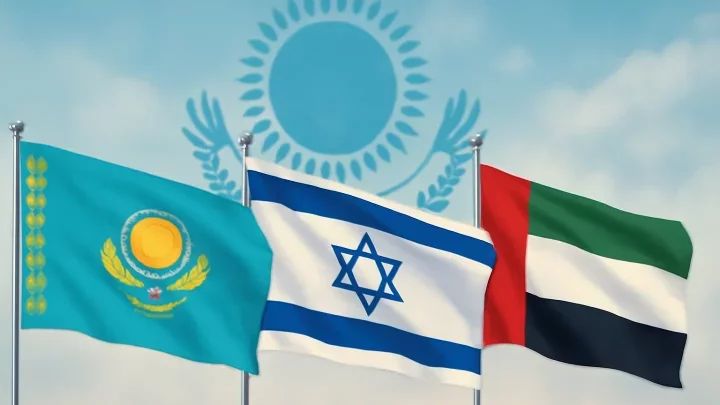 Photo: Dall-E, illustrative purposes
In recent years, international diplomacy has been quietly transforming. Amid wars, crises, and radicalization, unexpected alliances are emerging.
One such example is the Abraham Accords, aimed at normalizing relations between Israel and several Arab and Muslim countries. The initiative began in 2020 under U.S. President Donald Trump.
Formally, it represents the restoration of diplomatic ties, the start of economic cooperation, and the public recognition of Israel, where this was previously considered impossible.
Orda.kz columnist Islam Kurayev explains why Kazakhstan joined the accords and what they represent.
The accords are not a single document but a diplomatic format consisting of bilateral agreements with Israel, each on its own terms. This makes the initiative flexible — it doesn’t require political unanimity or ideological alignment, but instead focuses on practical cooperation in technology, security, investment, and access to global markets.
Why The Name?
The name carries symbolic meaning. Abraham is the forefather of Judaism, Christianity, and Islam. Using his name presents peace as a “return to origins,” invoking a shared spiritual heritage.
The branding emphasizes unity and reconciliation rather than political conflict.
Signatories and Scope
The first to sign were the United Arab Emirates and Bahrain in September 2020, followed by Sudan and Morocco. Despite their differences, all four officially recognized Israel, opened diplomatic channels, and began cooperation in areas from water management to cybersecurity.
The agreements are based not on a single treaty, but on a series of bilateral agreements between Israel and each country.
The terms vary widely: Morocco, for example, received US recognition of its sovereignty over Western Sahara; the UAE secured access to American and Israeli military technology.
This underscores the format's core principle: a tailored approach rather than a rigid political platform.
Kazakhstan’s Accession
On November 6, 2025, Kazakhstan became the first country to join the accords since the Gaza war began. The move drew international attention, as Central Asia had previously stayed neutral.
Astana emphasized that this was not a policy shift but a continuation of ties established with Israel in 1992.
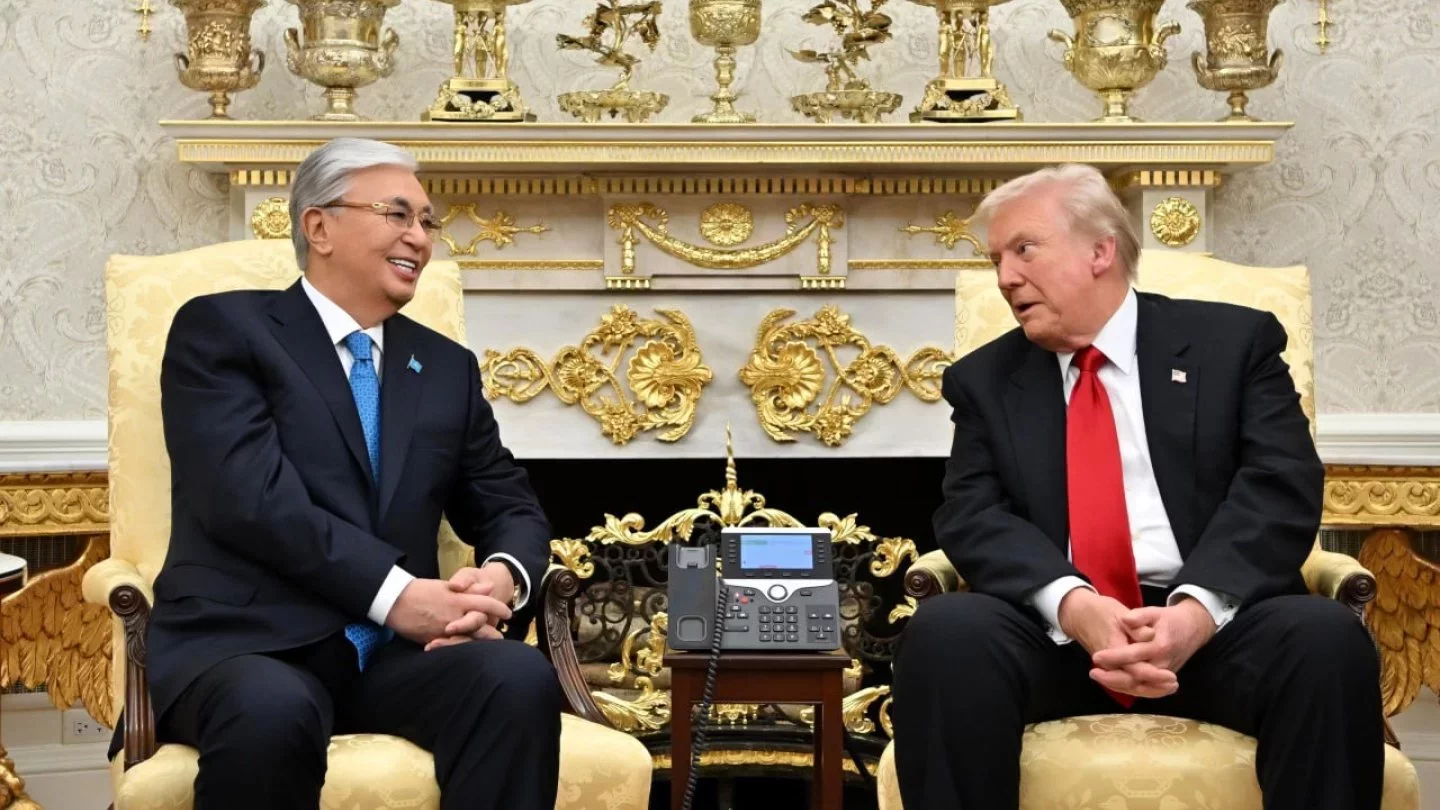
For Kazakhstan, the step serves as a diplomatic image move: strengthening its role as a bridge between East and West, reaffirming its neutral status as a Muslim-majority state, and positioning itself as a possible platform for future dialogue.
Officials have also stressed continued support for the “two states for two peoples” principle.
Reaction and Regional Context
Public reaction in Kazakhstan was mixed. Some viewed the decision as consistent with the country’s multi-vector policy, while others criticized it amid the ongoing war in Gaza.
Hamas condemned the move as a “betrayal of Muslim solidarity,” though without any diplomatic fallout.
Uzbekistan, while not a signatory, participates in the Abraham Fund, having pledged up to $50 million in 2021 to support development projects without joining the accords politically. This approach makes the country an observer with the built-in option to join if international conditions become more favorable.
Azerbaijan also played a key role, acting as a communication channel between the initiators and Central Asian governments.
For Kazakhstan, joining the Abraham Accords is a continuation of long-standing relations rather than a political shift — a pragmatic step that reinforces its image as a country capable of dialogue with both the West and the East.
Original Author: Islam Kurayev
Latest news
- Orda.kz Editorial Team to Cease Operations on September 1
- The Price of a Degree: How Students in Kazakhstan Pay for University
- Second Przewalski’s Horse Foal Born as Species Returns to Kazakhstan
- Kazakh Mining Companies Can Recalculate Purchases if Tenge Weakens
- Kazakhstan Names First Vice President in Three Decades
- What Almaty’s Bus Shelters Are Missing
- 400-Truck Queue Builds at Kazakh–Kyrgyz Border
- Kazakhstan Ready to Help Feed and Rebuild Gaza
- Tokayev Establishes New Presidential Security Body
- Almaty Takes Back Its Nearly Century-Old Hippodrome
- No More Guesswork on Savings: Kazakhstan Tightens Energy Audits for Businesses
- Public Money Could Be Used to Rescue Failing Kazakh Banks
- Third Kazakh Woman Reported Missing in Nepal-China Flood Zone
- Falconer Convicted Over 35 Protected Birds, Spared Punishment Under Amnesty
- Kazakh Citizen Detained in Yakutia in Phone Fraud Case
- Yuan Instead of Dollars? KazMunayGas Draws Record Demand in Asia
- China Gains Oil-Market Influence as OPEC+ Weakens
- Kazakhstan to Divide Smartphones Into White, Gray and Black Lists
- Kazakhstan’s Government Formally Resigns as First Kurultai Session Opens
- Rare Lynx Sighting Recorded in Northern Kazakhstan
