

Kazakhstan Expands Coal Exports Amid Russia’s Deepening Industrial Crisis
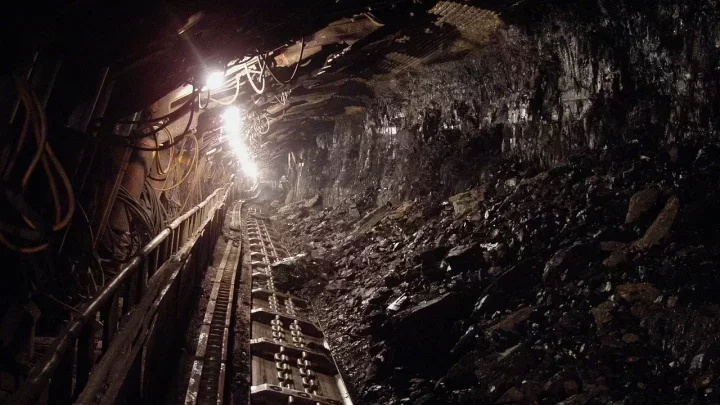 Photo: Pixabay, illustrative purposes
Russia’s coal and metallurgical industries are facing their biggest downturn in a decade, with declining production, billions of dollars in losses, and rising unemployment.
Orda.kz explores the implications of these industries’ decline in the neighboring country.
In 2025, the Russian coal industry is experiencing its deepest crisis in recent years. In the first quarter alone, company losses exceeded $875 million.
Deputy Energy Minister Dmitry Islamov confirmed that the situation continues to worsen: statistics for the first four months of the year show a further decline in the industry. From 2022 onward, the total losses of coal producers due to sanctions, rising railway tariff rates, and the tax burden will reach nearly $30 billion.
According to Kuzbass authorities, all coal mining companies in the region are operating below the breakeven point: 64% of companies have been incurring losses since the beginning of 2025.
Twenty-seven coal companies with a combined annual capacity of 40 million tons are on the verge of bankruptcy, while another 62 companies, with a production volume of 126 million tons, are experiencing losses above the industry average. Production plans are being cut in Kuzbass and Khakassia, and mining operations are being closed.
The Russian Ministry of Energy predicts that without emergency support measures, coal production in 2025 could fall to 399.6 million tons — almost 10% less than the previous year.
Exports will also decline to 166.5 million tons (down 15% compared to 2024).
As a result, more than 50 coal mines have already closed or are on the verge of shutting down.
Metal output in July 2025 fell by 10.2% compared to the same period last year, and by 8.4% in August. Companies are switching en masse to a shortened workweek to avoid layoffs.
According to Reuters, the industry, which employs approximately 700,000 people, is undergoing a “quiet downsizing”: companies are laying off support staff and considering switching to a four-day workweek, following the example of the auto and mechanical engineering industries.
In Kuzbass, the issue of a four-day workweek is regularly raised, but there’s still no formal decision.
Miners fear that the new schedule will lead to a drop in already low wages. Similar discussions are underway at metallurgical plants. One employee told The Insider that management is considering switching office staff first to a shorter schedule. However, workers are opposed: with the reduction in hours, they will lose part of their salary, bonuses, vacation pay, and other benefits.
While Russian coal companies are recording losses and reducing exports, Kazakhstan has significantly increased its presence in foreign markets. According to Argus, in the first seven months of 2025, the transit of Kazakhstan's coal through Russia increased by 38%, reaching 6.7 million tons—an all-time high, Vedomosti reports.
The Black Sea port of Taman experienced the most growth, with transshipment volumes nearly doubling to 2.3 million tons. Shipments through Northwestern ports also increased by 19%. By comparison, Russian coal exports through these ports declined by 27–32% due to unprofitability and falling global prices.
NEFT Research partner Alexander Kotov explains that Kazakhstan's coal is comparable in quality to Russian coal, and transit through Russia allows for competitive prices in Europe and Asia.
The freed-up capacity at Russian terminals has effectively opened a window for Kazakhstani suppliers, particularly in the EU, India, China, and Türkiye. Experts predict that by the end of 2025, the volume of Kazakhstan's coal transited through Russia could reach 10–13 million tons — more than a third of Kazakhstan’s total coal exports in 2024.
The largest crisis in the Russian coal and metallurgy industries in the past decade is leading to rising unemployment and the transition of companies to shorter workweeks.
At the same time, Kazakhstan is reaping significant benefits: thanks to freed-up logistics capacity and competitive production costs, its coal is strengthening its position in foreign markets, increasing transit through Russia, and taking over the market share that Russian companies are losing.
Original author: Maria Kravtsova
Latest news
- Orda.kz Editorial Team to Cease Operations on September 1
- The Price of a Degree: How Students in Kazakhstan Pay for University
- Second Przewalski’s Horse Foal Born as Species Returns to Kazakhstan
- Kazakh Mining Companies Can Recalculate Purchases if Tenge Weakens
- Kazakhstan Names First Vice President in Three Decades
- What Almaty’s Bus Shelters Are Missing
- 400-Truck Queue Builds at Kazakh–Kyrgyz Border
- Kazakhstan Ready to Help Feed and Rebuild Gaza
- Tokayev Establishes New Presidential Security Body
- Almaty Takes Back Its Nearly Century-Old Hippodrome
- No More Guesswork on Savings: Kazakhstan Tightens Energy Audits for Businesses
- Public Money Could Be Used to Rescue Failing Kazakh Banks
- Third Kazakh Woman Reported Missing in Nepal-China Flood Zone
- Falconer Convicted Over 35 Protected Birds, Spared Punishment Under Amnesty
- Kazakh Citizen Detained in Yakutia in Phone Fraud Case
- Yuan Instead of Dollars? KazMunayGas Draws Record Demand in Asia
- China Gains Oil-Market Influence as OPEC+ Weakens
- Kazakhstan to Divide Smartphones Into White, Gray and Black Lists
- Kazakhstan’s Government Formally Resigns as First Kurultai Session Opens
- Rare Lynx Sighting Recorded in Northern Kazakhstan
