

Half of Almaty Residents Want to Leave the City for Winter Because of Smog
 Photo: Orda.kz / Igor Ulitin
The Almaty Air Initiative Foundation has released the results of a public survey on the city’s air quality. A total of 1,000 Almaty residents took part. Orda.kz breaks down what they think about the state of the environment in Kazakhstan’s largest city.
Half of Almaty’s residents describe the air as bad or very bad — up from 42% a year earlier. Another third consider it “satisfactory.” 63% say the air has gotten worse in the past two to three years.
Only 14% rate the city’s air as good or very good — a four-point drop from 2024. In the Turksib District, not a single respondent said the air was “very good.”
Still, while 86% say the air quality is poor, only 63% say they are seriously worried about it. Women are more likely to be concerned — 36% — compared to less than a third of men.
Families with children remain the most sensitive group: among parents with three or more children, 45% say air pollution worries them greatly, while among those without children the figure is just 31%, the report says.
Nearly two-thirds of respondents believe Almaty’s air is dangerous for children.
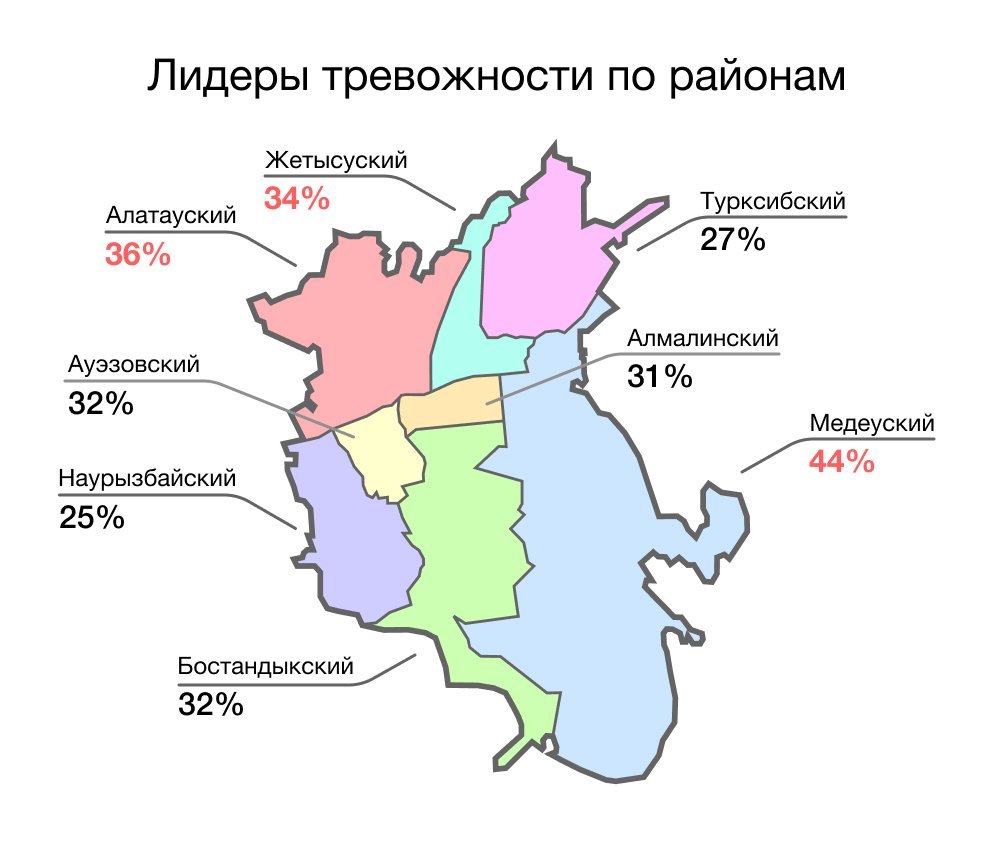
35% said they experience smog every day, with residents in the city’s lower districts reporting it most often: 43% in Turksib, 42% in Nauryzbay, and 41% in Jetisu.
On days of heavy pollution, a third of Almaty residents — 35% — take no protective measures. The rest cope in simple ways: 31% stay indoors, 23% use air purifiers, and 15% wear masks.
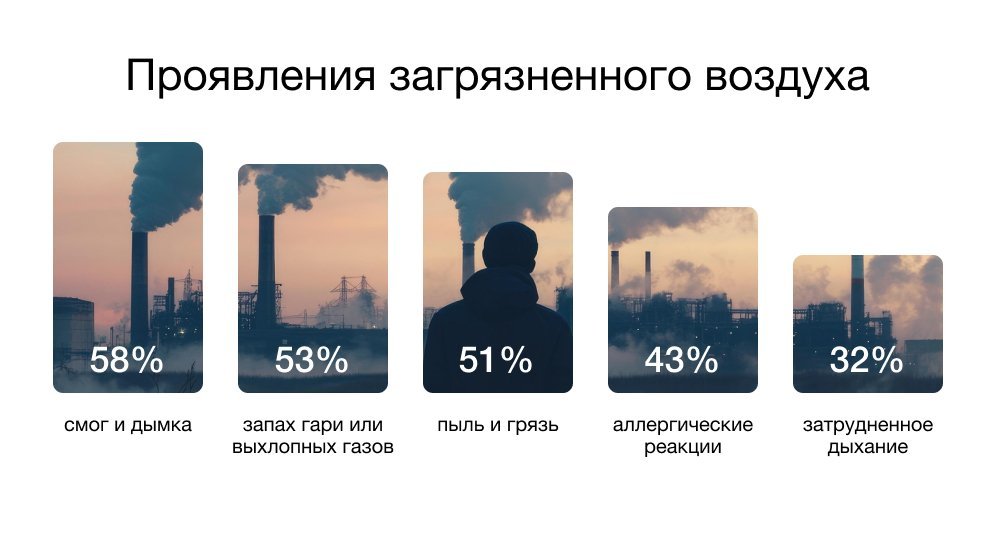
Around 80% of those surveyed said dirty air affects their health.
The most common symptoms include:
- Headaches, fatigue, and dizziness — 40%
- Allergic reactions — 39%
- Eye, nose, and throat irritation — 36%
- Breathing problems — 35%
- High blood pressure — 23%
- General malaise — 30%
Most residents — 82%— say vehicles are the main source of air pollution. Thermal power plants were named by 45%, and poor air circulation due to dense construction by 42%.
Environmental conditions have also influenced how people feel about living in the city.
According to the 2025 survey, 60% of respondents have thought at least once about leaving Almaty because of the air, and one in four have considered it seriously. A year earlier, that figure was only 17%, the report says.
Those earning more than one million tenge a month are more likely to be considering a move — 41%. Among university graduates, 28% have thought about leaving, compared to just 20% of respondents without higher education.
Nearly half of all respondents — 49% — said they would like to leave Almaty for the winter because of the smog, up 4% from last year. 12% already do.
Among those who leave the city in winter, only 8% report no symptoms. The rest suffer from the effects of pollution: half complain of headaches, fatigue, allergies, or respiratory problems. Even among those only thinking about moving, the share of complaints remains high — up to 54% report headaches and fatigue, 52% allergies, and 51% breathing problems, the study notes.
When it comes to information about air quality, only 18% know exactly where to find it — though that’s up from 10% in 2024. 14% have “heard something,” and 68% say they don’t know where to look.
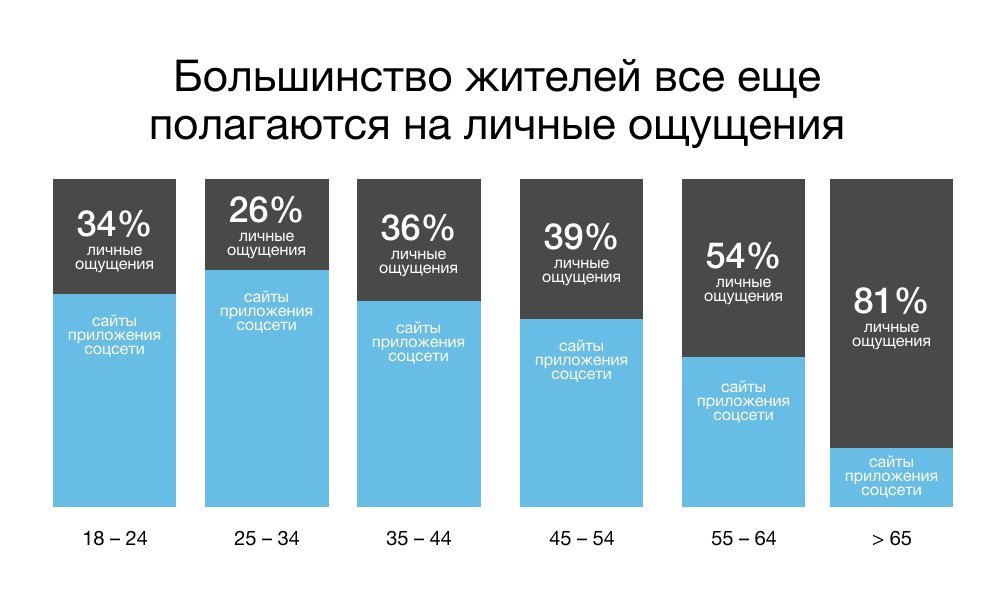
Most residents still rely on personal observation: 39% judge air quality by smell or visibility.
Almaty residents are also largely unaware of ongoing efforts to improve the city’s air. Only one in ten could name any specific measures, and about a third had at least heard of some initiatives.
Among those who could recall particular actions, the most common responses were low-emission zones — 11.3%, use of air purifiers — 8.5%, converting power plants to gas — 6.7%, and switching to electric or gas-powered transport — 5.4%.
When asked what they would most like to see done, respondents most often mentioned reducing vehicle emissions, converting power plants to gas, and expanding green spaces.
Still, a majority — 63%— said they view current government efforts to improve air quality as ineffective. Whether that will change once new environmental rules take effect remains to be seen.
Original Author: Igor Ulitin
Latest news
- Kazakhstan Will Not Hold A Military Parade On Victory Day This Year
- Are Kazakhstan’s Air Defenses Ready To Shoot Down Foreign Drones? The Defense Ministry Responds
- Kazakh Women Are Having Fewer And Fewer Children — The Lowest Level In Nearly Two Decades
- Bloggers And Coaches Will Not Be Allowed To Pose As Psychologists In Kazakhstan
- Schools, Bridges And Power Plants In Kazakhstan To Be Built Under New BIM Rules
- Kazakhstan Does Not Plan To Introduce Penalties For “Religious Propaganda”
- After Beach Tragedies, Will Holidays In Konaev Be Safer?
- Kazakhstan To Deploy Nearly 60 Drones Against Locust Threat
- Kazakh Woman And Israeli Citizen Sentenced In Kyrgyzstan In Child Trafficking Case
- Hundreds Of Hectares Near Medeu Park Returned To State Ownership
- Kazakhstan’s Budget Revenues Rose By Nearly 17%
- Average Debtor In Kazakhstan Is Getting Younger, Economist Says
- Tokayev Welcomes Truce In The Middle East
- Tengiz Restores Full Oil Production After Two Incidents
- Almaty and Shanghai Agree on Projects Worth More Than 1.2 Trillion Tenge
- Kazakhstan’s National Fund Receives Record Low Oil Revenue
- Kazakhstan Signals Gradual Rise in Gasoline Prices After Moratorium Ends
- Teen Kazakh Grandmaster Opens Up About Match With Magnus Carlsen After Selfie Incident
- Kazakhstan Joins UN Road Safety Campaign
- Teachers in Kazakhstan Continue to Lose Income to Inflation
